

Understanding Color Theory: How to Choose the Right Colors for Your Skin Tone
Understanding Color Theory: How to Choose the Right Colors for Your Skin Tone
Choosing the right colors for your skin tone can make a huge difference in how you look and feel in your clothes. Understanding color theory can help you identify which colors will complement your skin tone and bring out your best features.
There are three main skin tones: warm, cool, and neutral. Warm skin tones have yellow, peach, or golden undertones, while cool skin tones have pink, red, or blue undertones. Neutral skin tones have a combination of both warm and cool undertones.
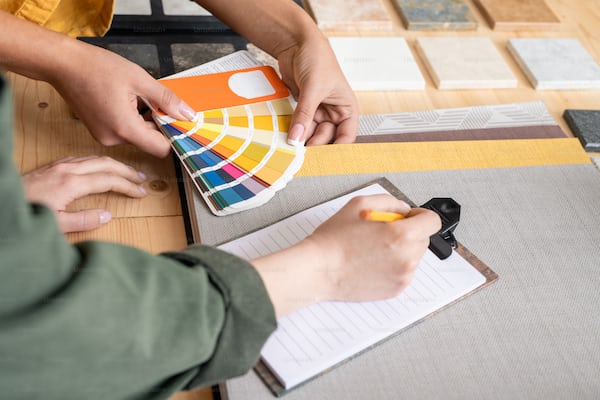
Once you have determined your skin tone, you can start selecting colors that will complement it. For warm skin tones, earthy colors like olive green, burnt orange, and mustard yellow work well. Cool skin tones look great in jewel tones like emerald green, sapphire blue, and ruby red. Neutral skin tones can wear a wide range of colors, but look especially good in soft pastels and muted shades.
It's also important to consider the intensity of the color. If you have a fair complexion, you may want to opt for lighter shades, while those with darker skin tones can pull off bolder, brighter colors.
Don't be afraid to experiment with different colors and see what works best for you. Remember, the most important thing is to wear colors that make you feel confident and comfortable in your own skin.
Dressing for Your Body Type: Tips and Tricks for Accentuating Your Best Features
Dressing for Your Body Type: Tips and Tricks for Accentuating Your Best Features
One of the most important aspects of creating a wardrobe that makes you feel confident and stylish is dressing for your body type. No matter what your shape or size, there are certain styles and cuts that will flatter your figure and accentuate your best features.
First, it's important to identify your body type. Are you an apple shape with a larger midsection? A pear shape with wider hips and thighs? A rectangle shape with a straighter figure? Or an hourglass shape with a defined waist and curvy hips?
Once you've identified your body type, you can start to choose clothes that will flatter your figure. For example, if you're an apple shape, you might want to choose tops that are looser around the midsection and more fitted around the arms and shoulders. If you're a pear shape, you might want to choose pants that are wider at the bottom to balance out your hips.
Another important factor to consider when dressing for your body type is proportion. For example, if you have a shorter torso, you might want to choose high-waisted pants to elongate your legs. If you have a longer torso, you might want to choose tops that are longer in length to balance out your proportions.
Remember, the key to dressing for your body type is to accentuate your best features and create a balanced silhouette. Don't be afraid to experiment with different styles and cuts until you find what works best for you.
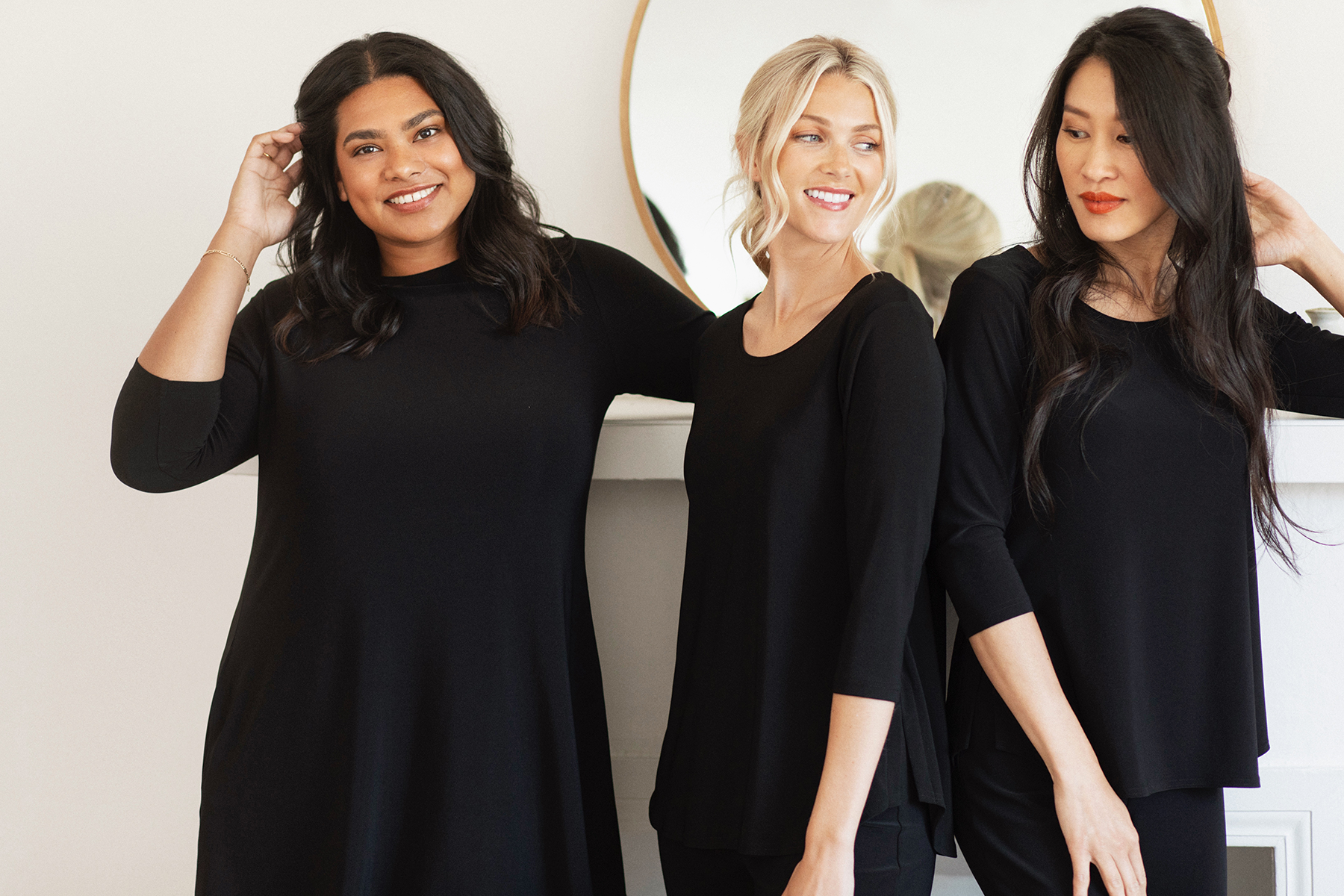
Image source: Unsplash
The Importance of Fabric and Fit: How to Choose Clothes That Flatter Your Figure
The Importance of Fabric and Fit: How to Choose Clothes That Flatter Your Figure
Choosing the right clothes that flatter your figure is not just about the style or color, but also about the fabric and fit. The fabric of your clothes can make a huge difference in how they look and feel on your body. The right fabric can enhance your best features and hide any flaws, while the wrong fabric can make you look bulky or unflattering.
When it comes to fabric, consider the season and occasion. In the summer, lightweight fabrics like cotton, linen, and rayon are great options as they are breathable and comfortable. In the winter, wool, cashmere, and tweed are perfect for keeping you warm and stylish. For formal occasions, silk, satin, and chiffon are elegant and luxurious fabrics that drape beautifully on the body.
Another important factor to consider is the fit of your clothes. Clothes that fit well can make you look slimmer and more put-together, while clothes that are too tight or too loose can make you look frumpy or sloppy. When shopping for clothes, make sure to try them on and check for any areas that may need alterations. A tailor can help you achieve the perfect fit for your body.
Remember, it's not about the size on the label, but how the clothes fit and feel on your body. Don't be afraid to go up or down a size if needed. It's better to wear clothes that fit well and flatter your figure than to squeeze into something that doesn't.
Investing in quality fabrics and well-fitting clothes can make a huge difference in your overall style and confidence. By choosing clothes that flatter your figure and feel comfortable, you can look and feel your best every day.

Creating a Capsule Wardrobe: Building a Collection of Clothes That Work Together
Creating a Capsule Wardrobe: Building a Collection of Clothes That Work Together
Have you ever stood in front of your closet full of clothes and thought, "I have nothing to wear"? You're not alone. Many people struggle with finding the perfect outfit for any occasion. That's where a capsule wardrobe comes in handy. A capsule wardrobe is a collection of essential clothing items that work together to create multiple outfits.
When building a capsule wardrobe, it's important to choose pieces that fit your personal style and lifestyle. Start by selecting a color palette that complements your skin tone and makes you feel confident. This will ensure that all the pieces in your wardrobe work well together and can be mixed and matched easily.
Next, choose versatile pieces that can be dressed up or down. For example, a classic white button-up shirt can be worn with jeans for a casual look or paired with a blazer and dress pants for a more formal occasion. A little black dress is another versatile piece that can be dressed up or down with the right accessories.
When it comes to bottoms, choose a mix of pants, skirts, and shorts that fit well and flatter your body type. For example, if you have an hourglass figure, high-waisted pants and skirts will accentuate your waistline. If you have a pear-shaped figure, A-line skirts and wide-leg pants will balance out your proportions.
Accessories are also an important part of a capsule wardrobe. Choose a few statement pieces like a bold necklace or a colorful scarf that can add a pop of color to any outfit. And don't forget about shoes! Choose a mix of comfortable and stylish shoes that can be worn for different occasions.
By building a capsule wardrobe, you'll save time and money by having a collection of clothes that work well together and can be worn for multiple occasions. Plus, you'll feel confident and stylish knowing that you have a wardrobe full of clothes that fit your personal style and body type.
Accessorizing with Color: Adding Pops of Color to Your Outfits
Accessorizing with Color: Adding Pops of Color to Your Outfits
Accessories are a great way to add pops of color to your outfits without going overboard. Whether it's a bright scarf, a bold necklace, or a colorful pair of shoes, accessories can take your outfit to the next level.
When choosing accessories, it's important to consider the color palette of your outfit. If you're wearing a neutral outfit, like black or white, you can add a pop of color with a bright accessory. On the other hand, if you're wearing a colorful outfit, you may want to choose accessories that complement the colors you're already wearing.
Another way to add color to your outfit is by incorporating a statement piece. This could be a bright handbag, a colorful belt, or a patterned scarf. Just make sure that your statement piece doesn't clash with the rest of your outfit.
Don't be afraid to mix and match colors and patterns when accessorizing. For example, you could pair a striped shirt with a polka dot scarf or a floral dress with a bright necklace. Just make sure that the colors and patterns complement each other.
Remember, accessorizing with color is all about having fun and expressing your personal style. So don't be afraid to experiment and try new things!
Breaking Fashion Rules: Embracing Your Unique Style and Personality
Breaking Fashion Rules: Embracing Your Unique Style and Personality
When it comes to fashion, there are always rules to follow. Don't wear white after Labor Day, don't mix prints, don't wear too many accessories. But who says you have to follow these rules? The beauty of fashion is that it allows you to express yourself and show off your unique style and personality.
One of the biggest fashion rules that people tend to break is wearing colors that don't necessarily "go" together. For example, pairing a bright pink top with a bold orange skirt. While this may seem like a fashion faux pas, it can actually create a fun and eye-catching look. The key is to wear it with confidence and own your unique style.
Another rule that is often broken is wearing clothes that don't necessarily flatter your body type. For example, if you're a plus-size woman, you may have been told to avoid wearing crop tops or form-fitting dresses. But who says you can't rock these styles? The key is to find pieces that make you feel confident and comfortable, regardless of what others may say.
At the end of the day, fashion is all about embracing your unique style and personality. Don't be afraid to break the rules and try something new. Whether it's mixing prints, wearing bold colors, or trying a new trend, the most important thing is to wear it with confidence and own your personal style.

Sustainable Fashion: Choosing Clothes That Are Good for You and the Environment
Sustainable Fashion: Choosing Clothes That Are Good for You and the Environment
As we become more aware of the impact of our choices on the environment, sustainable fashion has become a popular trend. Sustainable fashion is all about choosing clothes that are good for you and the environment. It involves choosing clothes made from eco-friendly materials, reducing waste, and supporting ethical practices in the fashion industry.
One way to embrace sustainable fashion is to choose clothes made from natural, organic, or recycled materials. These materials are better for the environment because they are biodegradable and do not contribute to pollution. They are also better for your skin because they are free from harmful chemicals and dyes. Look for clothes made from materials like organic cotton, bamboo, hemp, or recycled polyester.
Another way to embrace sustainable fashion is to reduce waste by choosing clothes that are versatile and long-lasting. Instead of buying clothes that are trendy and will only be worn once or twice, invest in classic pieces that can be worn in different ways and for different occasions. This will not only reduce waste but also save you money in the long run.
Supporting ethical practices in the fashion industry is also an important part of sustainable fashion. Look for brands that prioritize fair labor practices, use sustainable materials, and have a transparent supply chain. By supporting these brands, you are helping to create a more sustainable and ethical fashion industry.
Choosing sustainable fashion is not only good for the environment but also for your personal style. By investing in high-quality, versatile pieces, you can create a wardrobe that reflects your unique style and personality while also being eco-friendly.




No comments yet. Be the first to share your thoughts!