

Beyond the Seasons: AI-Powered Color Analysis
For decades, color analysis has aimed to determine the hues that best harmonize with an individual’s natural coloring. Traditionally, this involved draping fabrics of different shades around a person's face and observing the effect on their complexion. It’s a method steeped in artistry, but also prone to subjectivity; what one analyst sees, another might interpret differently. Now, we’re entering a new era, one where artificial intelligence promises a more data-driven approach to finding your perfect colors.
The core appeal of AI in color analysis is the potential for objectivity. Algorithms aren't swayed by personal preferences or fleeting trends. They analyze images based on established color theory and can identify subtle nuances that might be missed by the human eye. This doesn’t mean the human element is obsolete, though. Interpreting the AI’s output and applying it to a personal style still requires a degree of discernment.
What’s especially exciting is the increased accessibility. Professional color analysis sessions can be expensive, often costing several hundred dollars. AI-powered apps and platforms, however, offer a much more affordable – and convenient – alternative. You can get an initial analysis from the comfort of your home, using just your smartphone. This has opened up the world of color harmony to a much wider audience.
However, it’s important to be realistic. AI isn’t a magic bullet. The quality of the analysis depends heavily on the input data – the quality of the photo and the lighting conditions. And while algorithms are improving, they're not yet capable of replicating the nuanced judgment of a skilled human analyst. Think of AI as a powerful tool, but one that still benefits from a human touch.
The Science of Color & Perception
Before we dive into the specifics of AI analysis, it’s helpful to understand why color analysis works at all. It all begins with light. Different colors are simply different wavelengths of light, and our eyes contain specialized cells called cones that are sensitive to these wavelengths. These cones send signals to the brain, which interprets them as color. But perception isn’t straightforward.
Skin undertone is arguably the most important factor in color analysis. This refers to the subtle hue beneath the surface of your skin – whether it leans warm (golden, peachy), cool (pink, bluish), or neutral. Determining your undertone is crucial because certain colors will either enhance it, making you look radiant, or clash with it, leaving you looking washed out. The veins on your wrist can offer a clue; blue or purple veins often indicate cool undertones, while greenish veins suggest warmth.
The impact of color extends beyond just the skin. It affects how others perceive your facial features, your overall health, and even your mood. Colors that harmonize with your natural coloring can brighten your eyes, even out skin tone, and minimize imperfections. Conversely, colors that clash can accentuate flaws and make you look tired or ill.
Hair and eye color also play a significant role. Dark hair and eyes generally create higher contrast, while lighter features require a more delicate approach to color selection. Understanding the interplay between all these factors is what makes color analysis so complex – and so rewarding when done correctly.
Decoding the Seasonal System: A Refresher
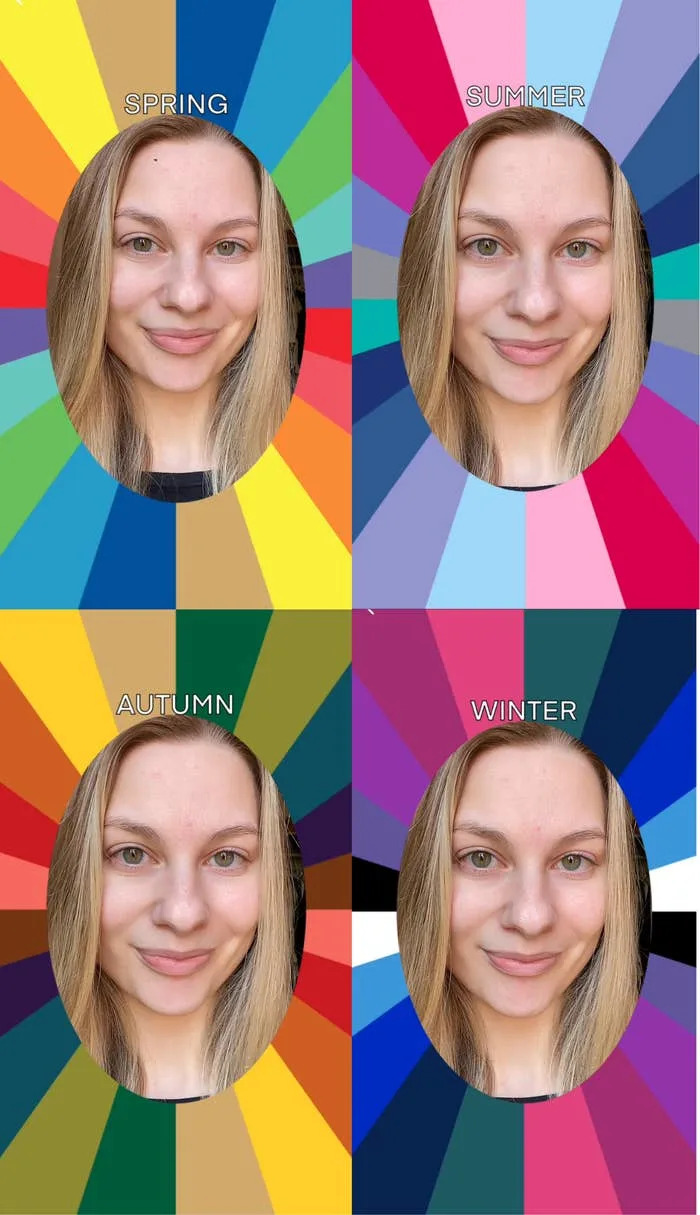
The traditional color analysis system is based on the four seasons: Spring, Summer, Autumn, and Winter. Each season represents a distinct set of color characteristics, mirroring the palettes found in nature during that time of year. While some modern systems expand this to twelve seasons, the core principles remain the same.
Spring is characterized by bright, warm, and light colors – think peach, coral, light green, and golden yellow. Spring types typically have fair skin, blonde or light brown hair, and blue or green eyes. They benefit from colors that are fresh and uplifting. Summer palettes are cool and muted, featuring shades of lavender, rose, dusty blue, and soft gray. Summer individuals often have fair skin, ash blonde or light brown hair, and blue or gray eyes.
Autumn embraces rich, warm, and earthy tones – rust, olive green, mustard yellow, and chocolate brown. Autumn types usually have warm undertones, brown or red hair, and brown or hazel eyes. They look best in colors that reflect the changing leaves. Winter is defined by cool, clear, and dramatic colors – black, white, navy, and jewel tones like ruby red and sapphire blue. Winter individuals often have dark hair, dark eyes, and a high contrast between their features.
It’s important to remember that most people don’t fit neatly into a single season. There’s often a blend of characteristics, and you might find yourself somewhere between two seasons. For example, a "soft autumn" combines the warmth of autumn with a more muted color palette. This is where AI can be particularly helpful, as it can identify more nuanced combinations than the traditional system allows.
- Spring: Bright, warm, light colors
- Summer: Cool, muted colors
- Autumn: Rich, warm, earthy tones
- Winter: Cool, clear, dramatic colors
Seasonal Color Palette Characteristics – 2026 Guide
| Characteristic | Spring | Summer | Autumn | Winter |
|---|---|---|---|---|
| Skin Undertone | Warm & Golden | Cool & Rosy | Warm & Golden/Olive | Cool & Ashy |
| Hair Color | Golden blonde/Strawberry blonde common | Ash blonde/Light brown | Red/Golden brown/Dark brown | Black/Dark brown, often with blue undertones |
| Eye Color | Blue, green, or golden brown | Blue, grey-blue, or soft brown | Hazel, green, or golden brown | Dark brown, black, or icy blue |
| Best Color Family | Bright, warm, and light colors | Soft, cool, and muted colors | Warm, rich, and earthy tones | Cool, dramatic, and high-contrast colors |
| Clothing Recommendations | Peach, coral, light greens | Pastels, dusty rose, lavender | Olive, rust, mustard yellow | Black, white, jewel tones |
| Jewelry Preference | Gold | Silver | Gold or copper | Silver or platinum |
| Overall Impression | Fresh, vibrant, and youthful | Soft, delicate, and elegant | Warm, natural, and grounded | Striking, bold, and sophisticated |
Illustrative comparison based on the article research brief. Verify current pricing, limits, and product details in the official docs before relying on it.
AI Tools: How They Analyze Your Colors
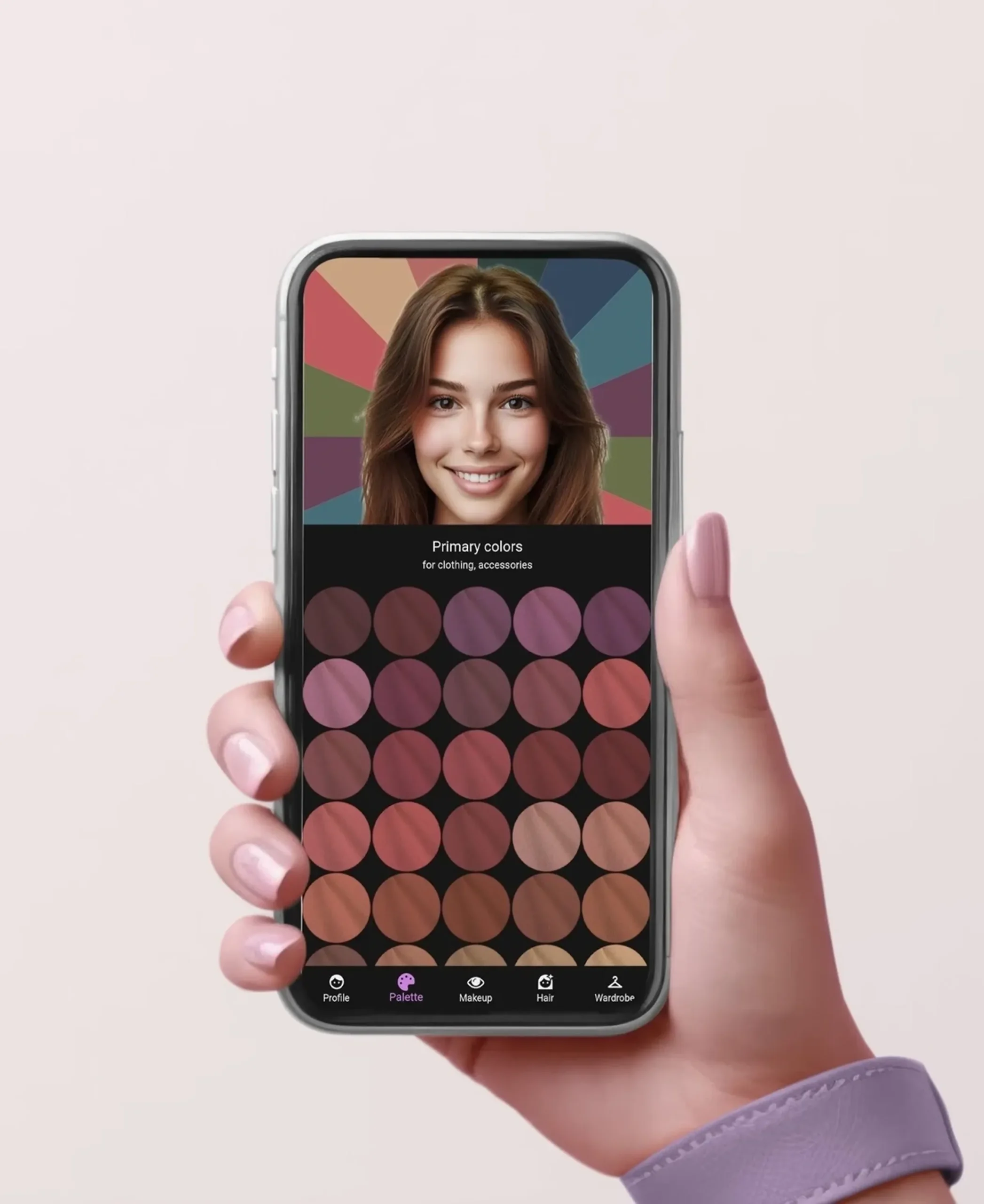
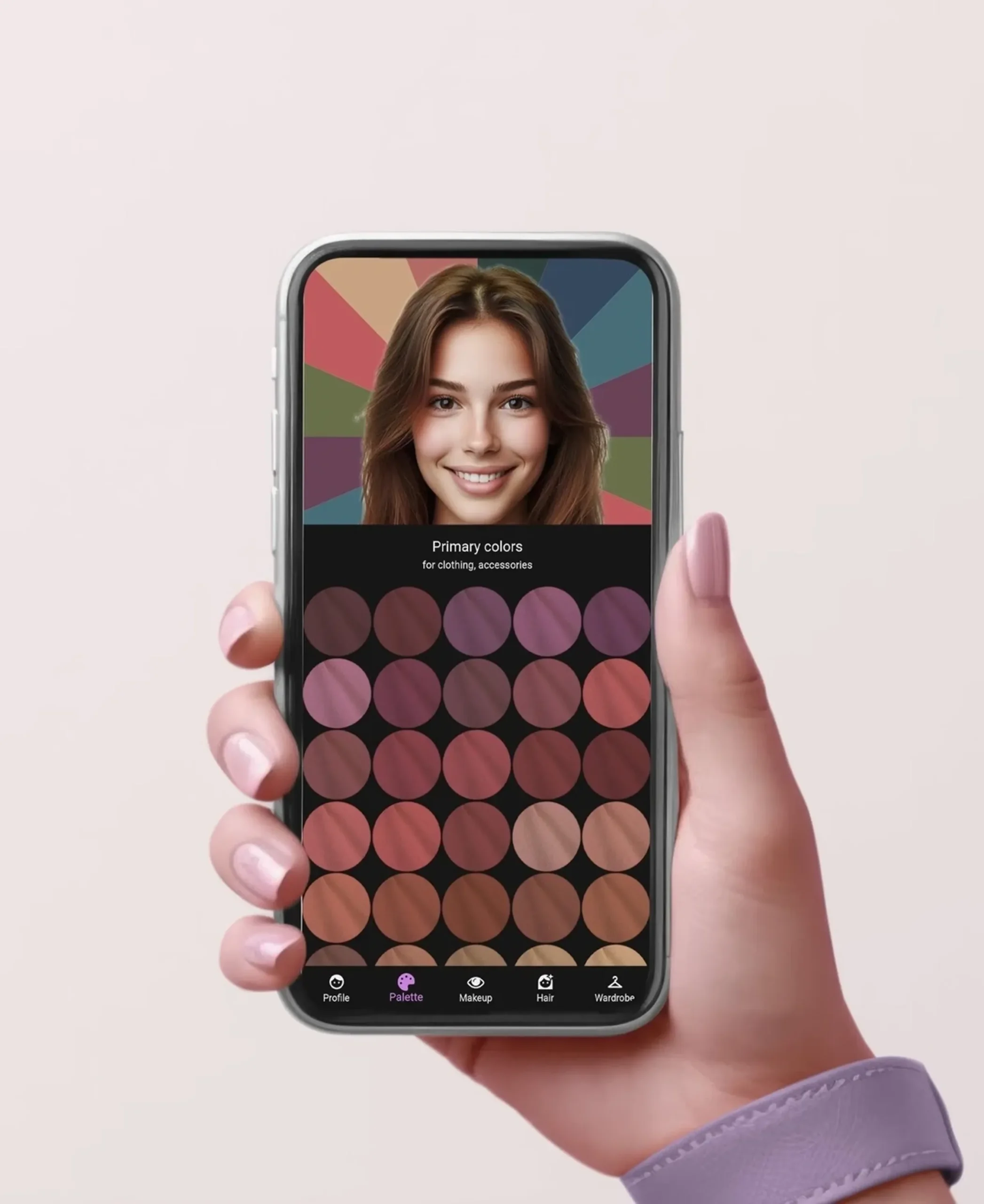
AI-powered color analysis tools typically work through a combination of image analysis, facial recognition, and color detection algorithms. The process usually begins with uploading a clear, well-lit photo of your face – ideally taken in natural daylight with minimal makeup. Some platforms also offer live video analysis, which can be more accurate as it accounts for real-time lighting conditions.
The AI then analyzes various aspects of your complexion, including skin undertone, contrast levels, and the colors of your hair and eyes. It breaks down your facial features into quantifiable data points, assessing the relative dominance of warm or cool tones, the degree of contrast between your skin, hair, and eyes, and the overall chroma (intensity) of your coloring. This data is then compared to established color palettes and seasonal systems.
The specific features AI looks for include the subtle variations in skin tone, the presence of redness or sallowness, the intensity of your eye color, and the contrast between your hair and skin. The algorithms are trained on vast datasets of images, allowing them to identify patterns and correlations between facial features and optimal color palettes. However, the accuracy of these algorithms can be affected by factors such as lighting conditions, image quality, and even the camera used to take the photo.
It’s crucial to acknowledge the limitations of current AI technology. Algorithms can sometimes be biased based on the data they were trained on, leading to inaccurate results for individuals with diverse skin tones or facial features. Lighting conditions are also a major factor – artificial light can distort colors and throw off the analysis. While AI is becoming increasingly sophisticated, it's not yet foolproof.
Top AI Color Analysis Apps & Platforms (2026)
The AI color analysis landscape is rapidly evolving, but several platforms are poised to be leaders in 2026. ColorWise (predicting continued development from its 2024 launch) boasts a particularly sophisticated algorithm that analyzes not only skin tone but also facial shape and bone structure to provide a highly personalized color palette. It's subscription-based, starting at $9.99 per month.
HueAI (building on its 2025 improvements to skin tone detection) is known for its user-friendly interface and comprehensive wardrobe recommendations. It offers both a free trial and a premium subscription ($14.99/month) that unlocks additional features, such as personalized style guides and shopping links. Users report generally good accuracy, especially with well-lit photos.
StyleColor Pro (expanding its video analysis in 2026) stands out for its live video analysis feature, which allows for real-time color assessment. It's a bit more expensive at $19.99/month, but many users find the added accuracy worth the price. It also integrates with several online retailers, making it easy to shop for clothes in your recommended colors.
ColorSnap (leveraging advancements in AI-powered contrast analysis) offers a unique approach by focusing on contrast levels in addition to skin tone. It’s particularly helpful for determining whether you look best in high-contrast or low-contrast outfits. The basic version is free, with a premium upgrade ($7.99/month) for unlimited analyses and personalized style tips. It's a good option for those who want a quick and easy analysis.
- ColorWise: $9.99/month, sophisticated algorithm
- HueAI: $14.99/month, user-friendly interface
- StyleColor Pro: $19.99/month, live video analysis
- ColorSnap: Free (basic), $7.99/month (premium), contrast analysis
AI Color Analysis Platforms
- ColorWise - This platform uses a selfie to determine your seasonal color palette, offering personalized color recommendations for clothing, makeup, and hair. It focuses on providing a detailed report with swatches and suggested shades.
- HueSnap - HueSnap analyzes a photo of your face in natural light to identify your underlying skin tone and best-suited colors. It provides a color palette and offers suggestions for coordinating outfits.
- Stylebook - While not solely a color analysis tool, Stylebook allows you to upload photos of your existing wardrobe and then suggests colors that complement them, helping you build a cohesive look. It also offers a 'Color Analysis' feature utilizing photo uploads.
- VidCode - VidCode offers a color analysis service based on uploaded photos, categorizing users into seasonal palettes and providing detailed guides. They also offer personalized style advice alongside the color analysis.
- ChromaYou - ChromaYou analyzes your photo to determine your color season and provides a detailed report including your dominant, secondary, and tertiary colors. It also suggests colors to avoid and offers styling tips.
- LookBloom - LookBloom uses a photo to analyze your skin tone, hair color, and eye color to determine your ideal color palette. It focuses on providing a visual understanding of which colors will enhance your natural features.
- Color Palette Analyzer - This web-based tool allows you to upload a photo and receive a color palette based on the dominant colors in the image, which can be used as a starting point for personal color analysis. It’s a simpler, more direct approach than some of the app-based options.
Beyond the Season: Subtleties and Nuances
Traditional seasonal color analysis often categorizes people into broad groups. AI, however, can go much deeper, identifying more subtle variations within each season. For example, it can distinguish between a "soft summer’ (muted and delicate colors) and a ‘true summer" (cooler and more vibrant hues). This level of granularity allows for a more personalized and accurate color palette.
AI can also assess contrast levels with greater precision. Some individuals have high contrast between their skin, hair, and eyes, while others have low contrast. AI can determine whether you look best in bold, contrasting colors or in softer, more harmonious tones. This is particularly important for those who don’t fit neatly into the traditional seasonal categories.
Furthermore, AI can account for individual variations in skin tone and coloring. Everyone’s skin is unique, and factors like age, sun exposure, and genetics can all affect your coloring. AI can analyze these subtle nuances and adjust your color palette accordingly. This is a significant advantage over traditional methods, which often rely on generalized assumptions.
The true value of AI lies in its ability to move beyond broad categories and identify the specific shades that will make you look your best. It’s about finding the colors that enhance your natural beauty, not just conforming to a seasonal label.
Building Your AI-Informed Wardrobe
Once you have your AI-generated color palette, the real fun begins: building a wardrobe that complements your coloring. Start by identifying the core colors in your palette – the shades that will form the foundation of your wardrobe. These are typically your most flattering neutrals and accent colors.
Don’t feel like you need to overhaul your entire wardrobe at once. Start small by adding a few key pieces in your best colors. A classic blazer, a versatile top, or a pair of well-fitting pants can make a big difference. Then, gradually incorporate more pieces over time. Consider building a capsule wardrobe around your colors – a collection of interchangeable pieces that can be mixed and matched to create a variety of outfits.
Color blocking is a great way to experiment with your palette. Pair complementary colors from your palette to create visually striking looks. Accessories are also a fantastic way to add pops of color. A scarf, a belt, or a pair of earrings in your best shades can instantly elevate your outfit. Brands like Everlane and Uniqlo offer a wide range of colors at affordable prices.
Remember that color analysis is a tool, not a rigid set of rules. Feel free to experiment and break the "rules’ if you feel confident and comfortable. Ultimately, the goal is to find colors that make you feel good and reflect your personal style. Don"t be afraid to trust your instincts and have fun with it.
Troubleshooting & Refining Your Results
AI color analysis isn’t always perfect. If the results seem inaccurate, the first step is to review the input photo. Was it well-lit? Was your makeup minimal? A blurry or poorly lit photo can significantly affect the accuracy of the analysis. Try uploading a different photo taken in natural daylight.
Lighting conditions can also play a trick on the AI. Artificial light can distort colors and lead to inaccurate results. If you're using a live video analysis tool, make sure you're in a well-lit room with natural light. If you're still unsure, try analyzing your colors at different times of day.
Changes in hair color or skin tone can also affect your color palette. If you’ve recently dyed your hair or spent time in the sun, your coloring may have changed. Re-analyze your colors to ensure your palette is still accurate. It's also wise to get a second opinion – from a human stylist or a different AI platform.
Ultimately, the AI results should be seen as a starting point. Use them as a guide, but don’t be afraid to refine them based on your personal preferences and what you feel looks best on you. Trust your instincts and experiment with different colors until you find what makes you feel confident and radiant.
No comments yet. Be the first to share your thoughts!