

The Complete 2024 Color Analysis Guide: Find Your Perfect Seasonal Palette for Every Body Type - Part 1
Understanding the Foundation of Color Analysis
Color analysis has experienced an unprecedented surge in popularity throughout 2024, with search interest reaching record highs as more individuals discover the transformative power of wearing their perfect colors. This systematic approach to identifying your most flattering color palette goes far beyond simple color preferences—it's a science-based method that considers your natural coloring to enhance your overall appearance and boost confidence.
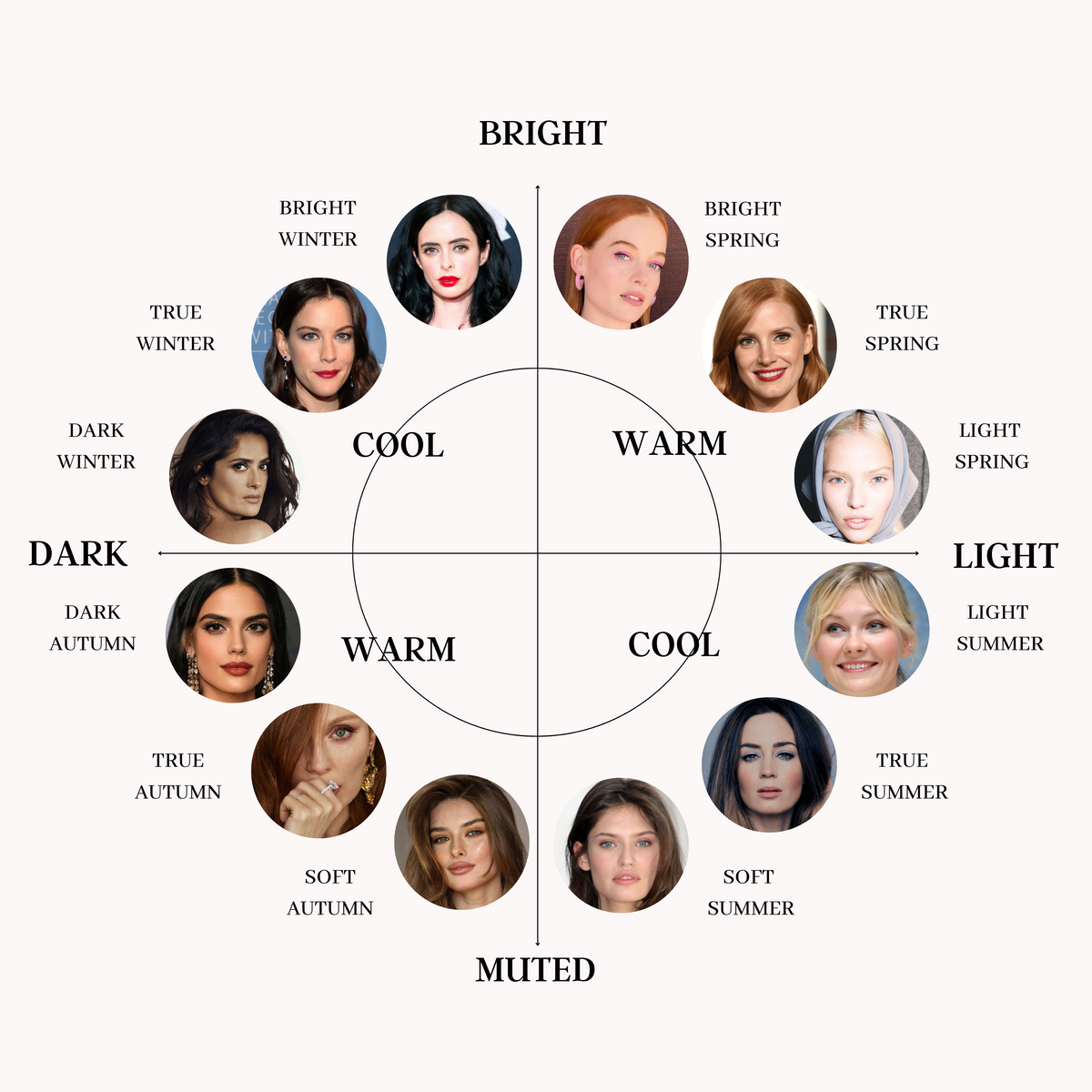
At its core, color analysis categorizes individuals into seasonal palettes: Spring, Summer, Autumn, and Winter. Each season contains multiple subcategories that provide nuanced guidance for creating a wardrobe that truly complements your unique features. The methodology examines three primary factors: skin undertone, natural hair color, and eye color, working together to determine which colors will make you look vibrant, healthy, and naturally radiant.
Test Your Color Analysis Knowledge: Seasonal Palettes & Body Types
Color analysis has exploded in popularity in 2024, with social media driving unprecedented interest in finding your perfect seasonal palette. This comprehensive quiz will test your understanding of color theory, seasonal classifications, and how to apply color analysis principles to create a wardrobe that enhances your natural features. Whether you're new to color analysis or looking to deepen your expertise, these questions cover the essential concepts from undertones to body type considerations.
The Science Behind Seasonal Color Theory
The seasonal color system operates on the principle that every person has an underlying color temperature—either warm or cool—that harmonizes with specific color families. Understanding this foundation is crucial before diving into the more complex aspects of body type considerations and seasonal subcategories.
Warm undertones typically pair beautifully with colors containing yellow, orange, or golden bases, while cool undertones are enhanced by colors with blue, pink, or silver foundations. However, the modern approach to color analysis recognizes that many individuals fall into neutral categories, requiring a more sophisticated understanding of seasonal variations.
2024 Seasonal Color Analysis: Temperature, Intensity, and Contrast Characteristics by Season
| Season Type | Temperature Base | Intensity Level | Contrast Level | Key Characteristics |
|---|---|---|---|---|
| Spring | Warm | High | Medium | Clear, bright colors with yellow undertones; coral, peach, golden yellow |
| Summer | Cool | Low to Medium | Low to Medium | Soft, muted colors with blue undertones; lavender, rose, powder blue |
| Autumn | Warm | Medium to High | Medium to High | Rich, earthy colors with golden undertones; rust, olive, deep orange |
| Winter | Cool | High | High | Bold, saturated colors with blue undertones; true red, navy, emerald green |
| True Spring | Warm | Very High | High | Pure, vibrant warm colors; true coral, bright golden yellow, clear turquoise |
| Light Summer | Cool | Low | Low | Pale, delicate cool colors; soft pink, light gray, dusty blue |
| Deep Autumn | Warm | High | Very High | Dark, rich warm colors; burgundy, forest green, chocolate brown |
| Clear Winter | Cool | Very High | Very High | Intense, pure cool colors; true black, bright white, royal blue |
How Body Types Influence Color Choices
While traditional color analysis focuses primarily on facial features and natural coloring, the integration of body type considerations adds another layer of sophistication to creating your perfect wardrobe. Different body types can benefit from strategic color placement and specific seasonal palette applications that enhance proportions and create visual balance.
Understanding your body type in conjunction with your seasonal colors allows for more targeted wardrobe decisions. For instance, individuals with certain body types may benefit from using their seasonal colors in specific ways—perhaps emphasizing their best colors near the face while using supporting colors strategically throughout their outfit to create desired silhouettes.
The 2024 Evolution of Color Analysis
The resurgence of color analysis in 2024 has brought with it several important developments. Social media platforms have democratized access to color analysis education, while certified analysts have refined techniques to provide more personalized and accurate assessments. This evolution has led to a more inclusive understanding of seasonal palettes that accounts for diverse skin tones and ethnic backgrounds.
Modern color analysis also recognizes that individuals may have characteristics from multiple seasons, leading to more nuanced categorizations. This sophisticated approach ensures that everyone can find their perfect palette, regardless of their unique combination of features.
Preparing for Your Color Analysis Journey
Before diving deep into seasonal categorization and body type considerations, it's essential to prepare properly for your color analysis journey. This preparation involves understanding what to look for, gathering the right tools, and creating optimal conditions for accurate assessment.
Natural lighting is crucial for accurate color analysis, as artificial lighting can distort how colors appear against your skin. The best time for self-assessment is during daylight hours near a large window, wearing minimal makeup and with clean, styled hair pulled away from your face.
Having a variety of colored fabrics or clothing items available during your assessment will help you compare how different colors interact with your natural features. Pay particular attention to how colors affect the appearance of your skin—do they make you look vibrant and healthy, or do they wash you out and create unflattering shadows?
Test Your Color Analysis Knowledge: 2024 Seasonal Palette Quiz
Color analysis has exploded in popularity in 2024, with millions discovering how the right seasonal palette can transform their appearance. From understanding undertones to identifying your perfect colors, this comprehensive approach to wardrobe building is more accessible than ever. Test your knowledge of seasonal color theory, body type considerations, and the latest trends in color analysis to see how well you understand this powerful styling tool.
Tools and Resources for Accurate Analysis
Professional color analysis often involves specialized tools, but effective self-assessment is possible with the right approach and materials. Color draping—the process of holding different colored fabrics near your face—remains the most reliable method for determining your seasonal palette.
Quality color analysis requires patience and careful observation. As you progress through this guide, you'll develop the skills to identify subtle differences in how colors interact with your natural features, ultimately leading to a wardrobe that enhances your best qualities while accommodating your body type preferences.

Identifying Your Seasonal Color Palette
Now that you understand the foundation of color analysis, it's time to discover which seasonal palette enhances your natural beauty. The four main seasonal categories—Spring, Summer, Autumn, and Winter—each contain multiple subcategories that provide more precise color recommendations based on your unique combination of skin undertone, hair color, and eye color.
The Four Seasonal Categories Explained
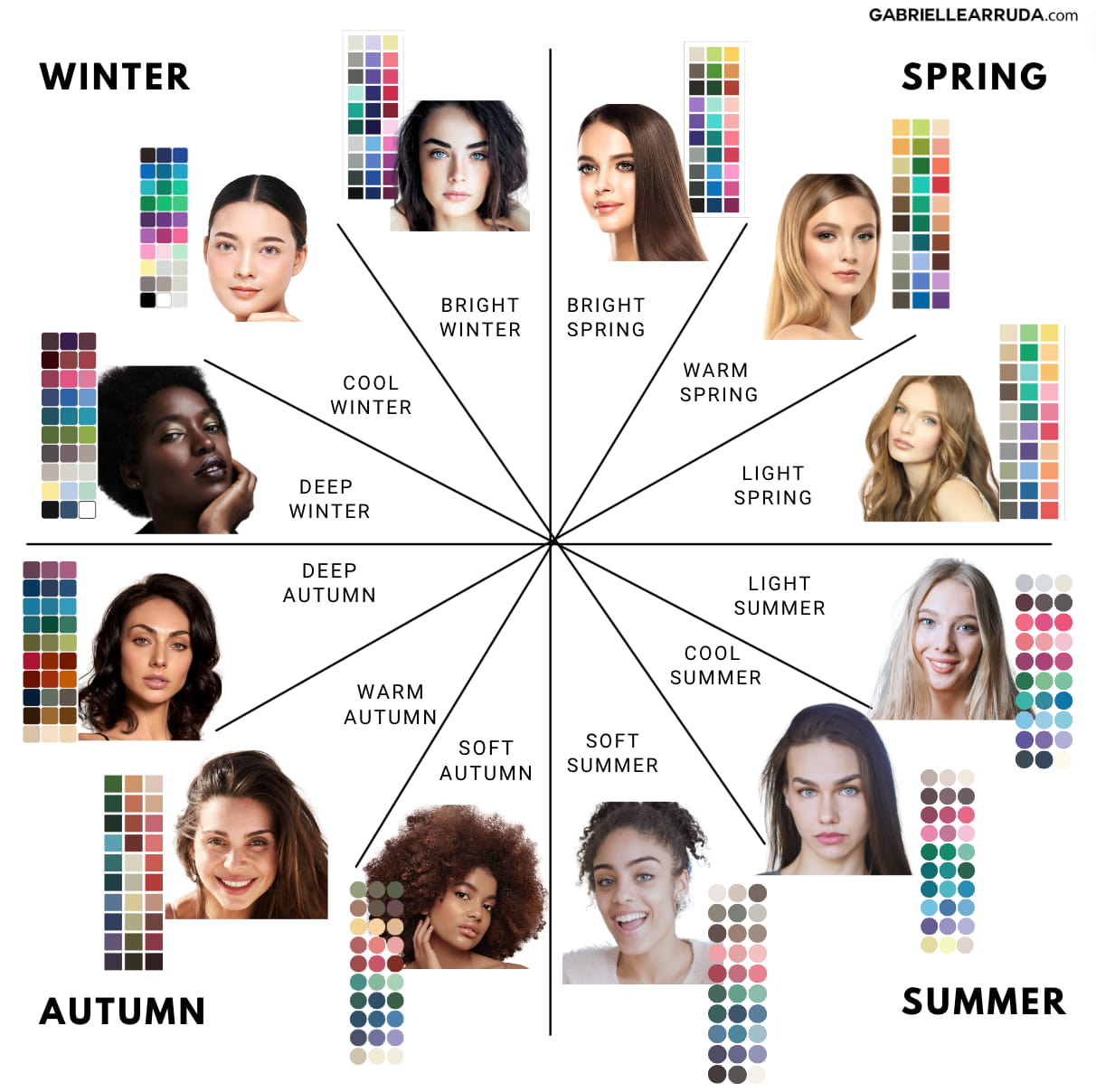
Each seasonal palette is characterized by specific color properties that harmonize with different natural colorings. Spring palettes feature warm, clear, and light colors that complement individuals with golden undertones. Summer palettes showcase cool, soft, and muted tones perfect for those with pink or blue undertones. Autumn palettes embrace warm, rich, and deep colors that enhance golden and peachy undertones. Winter palettes consist of cool, clear, and bold colors that flatter those with pink or blue undertones and high contrast features.
Understanding these fundamental differences helps narrow down your seasonal category before diving into the more specific subcategories within each season.
Step-by-Step Color Analysis Process
Conducting your own color analysis requires careful observation and the right lighting conditions. Natural daylight provides the most accurate assessment of how colors interact with your natural features.
The key to accurate self-analysis lies in observing how different colors affect your appearance. Colors from your ideal palette will make your skin appear clearer and more radiant, while unflattering colors can make you look washed out or create unwanted shadows.
Interactive Seasonal Color Quiz
This comprehensive quiz evaluates your natural coloring characteristics to suggest your most likely seasonal palette. Answer each question honestly based on your natural, undyed hair color and makeup-free appearance.
Remember that this quiz provides a starting point for your color analysis journey. Professional consultation may be beneficial for individuals with complex or ambiguous coloring.
Subcategories Within Each Season
Modern color analysis recognizes that the original four seasons don't capture everyone's unique coloring. Each main season now includes several subcategories that provide more nuanced color recommendations.
Spring subcategories include Bright Spring, True Spring, and Light Spring, each with varying intensities and temperature preferences. Summer subcategories encompass Light Summer, True Summer, and Soft Summer, differing in their level of contrast and mutedness. Autumn subcategories feature Soft Autumn, True Autumn, and Deep Autumn, varying in richness and intensity. Winter subcategories include Bright Winter, True Winter, and Deep Winter, distinguished by their level of contrast and color intensity.
Essential Tools for Color Analysis
Professional color analysts use specific tools to ensure accuracy, and you can replicate this process at home with the right materials. Color draping involves holding different colored fabrics near your face to observe their effect on your complexion.
Quality draping fabrics in pure seasonal colors provide the most reliable results. Avoid printed or textured fabrics that can distort color perception.
Advanced Color Analysis Techniques
Beyond basic seasonal identification, advanced techniques help refine your palette selection. The contrast level between your hair, eyes, and skin determines whether you suit high-contrast or low-contrast color combinations. Chroma refers to the intensity or purity of colors that complement you best—some individuals look stunning in bright, saturated colors while others shine in muted, grayed tones.
Common Color Analysis Mistakes
Several factors can lead to inaccurate color analysis results. Artificial lighting, particularly fluorescent or LED lights, can distort color perception and lead to incorrect conclusions. Tanned or altered skin tones from sun exposure or self-tanning products can also affect accuracy. Additionally, focusing solely on favorite colors rather than objectively observing which colors enhance your natural features often leads to suboptimal choices.
Taking time to properly assess your coloring in optimal conditions ensures more accurate results that will serve you well in building a harmonious wardrobe.
Validating Your Seasonal Palette
Once you've identified your likely seasonal palette, validation through practical application confirms your results. Try on clothing or hold fabric swatches in your suspected palette colors near your face in natural light. The right colors will make your eyes appear brighter, your skin look clearer and more even-toned, and create an overall harmonious appearance.
This validation process helps build confidence in your color choices and ensures you're working with the most flattering palette for your unique coloring.
Applying Color Analysis to Different Body Types
Understanding how seasonal color palettes interact with various body types creates a comprehensive approach to building a wardrobe that truly enhances your natural beauty. While color analysis focuses primarily on your natural coloring, the way colors appear on different body shapes and proportions can significantly impact the overall effect of your seasonal palette.
Color Placement Strategies for Body Types
The strategic placement of your seasonal colors can dramatically enhance your silhouette while honoring your natural color harmony. For apple body types, drawing attention upward with your brightest seasonal colors near the face creates balance, while pear-shaped individuals benefit from incorporating their most vibrant hues in tops and accessories to create visual equilibrium.
Rectangle body types can create curves through strategic color blocking using their seasonal palette, while hourglass figures should emphasize their natural waist with contrasting colors from their designated season. Understanding these principles ensures that your color analysis results work harmoniously with your body's natural proportions.
Building Your Seasonal Wardrobe by Body Type
Creating a cohesive wardrobe requires understanding both your seasonal colors and body type considerations. Start by identifying your three most flattering colors from your seasonal palette, then determine how to incorporate these strategically based on your body shape.
Investment pieces should always be in your most neutral seasonal colors, as these form the foundation of your wardrobe. Statement pieces can feature your brightest seasonal colors, positioned strategically to enhance your body type. This approach ensures every piece works together while flattering both your coloring and silhouette.
Quick Assessment: Color and Body Type Harmony
Before making any wardrobe decisions, it's essential to understand how your seasonal colors work with your specific body type. This assessment helps identify which colors to emphasize and where to place them for maximum impact.
Common Color Analysis Mistakes by Body Type
Many individuals make the mistake of wearing their seasonal colors without considering placement and proportion. Apple body types often wear their darkest colors on top, which can make them appear larger, while pear shapes might choose light colors for bottoms, emphasizing their lower half disproportionately.
Rectangle body types frequently choose monochromatic outfits in their seasonal colors, missing opportunities to create visual interest and curves. Hourglass figures sometimes ignore their waist entirely, wearing loose-fitting clothes in their seasonal palette that hide their natural assets.
Advanced Color Techniques
Once you've mastered basic color and body type coordination, advanced techniques can elevate your style further. Color gradation, where you transition from light to dark within your seasonal palette, can create length and elegance for petite frames or add sophistication to any body type.
Accent colors from your seasonal palette can be used strategically through accessories, makeup, and small details to draw attention to your best features while maintaining overall harmony. The key is understanding which colors in your palette serve as neutrals, which act as accents, and which should be your statement colors.
Seasonal Transitions and Wardrobe Updates
Your seasonal color palette remains consistent, but how you apply these colors can evolve with fashion trends and personal growth. Understanding your body type ensures that even as styles change, you can adapt new trends to work with both your coloring and proportions.
Regular wardrobe assessments help maintain the balance between your seasonal colors and body type needs. As your lifestyle changes, the way you apply your color analysis may shift, but the fundamental principles remain constant.
Professional Tools for Color Analysis
Investing in quality tools can help you maintain accuracy in your color choices. A professional color fan in your seasonal palette serves as a reliable reference when shopping or organizing your wardrobe.
This comprehensive approach to color analysis and body types ensures that every clothing choice enhances your natural beauty while creating a cohesive, flattering wardrobe. Remember that the goal is not to follow rules rigidly, but to understand the principles that help you look and feel your absolute best.
No comments yet. Be the first to share your thoughts!