

Color Analysis 2024: Understanding Your Seasonal Color Palette Foundation
In the ever-evolving world of personal styling, color analysis remains one of the most powerful tools for creating a cohesive and flattering wardrobe. As we navigate 2024's fashion landscape, understanding your seasonal color palette has become more sophisticated and accessible than ever before. This comprehensive guide will help you discover how seasonal colors work in harmony with different body types to create your most confident and polished appearance.
The Science Behind Seasonal Color Analysis
Seasonal color analysis operates on the principle that every individual has an inherent color palette that harmonizes with their natural features. Your skin's undertones, hair color depth, and eye clarity all contribute to determining which seasonal category best represents your natural coloring. This scientific approach to color selection ensures that your clothing choices enhance rather than compete with your natural beauty.
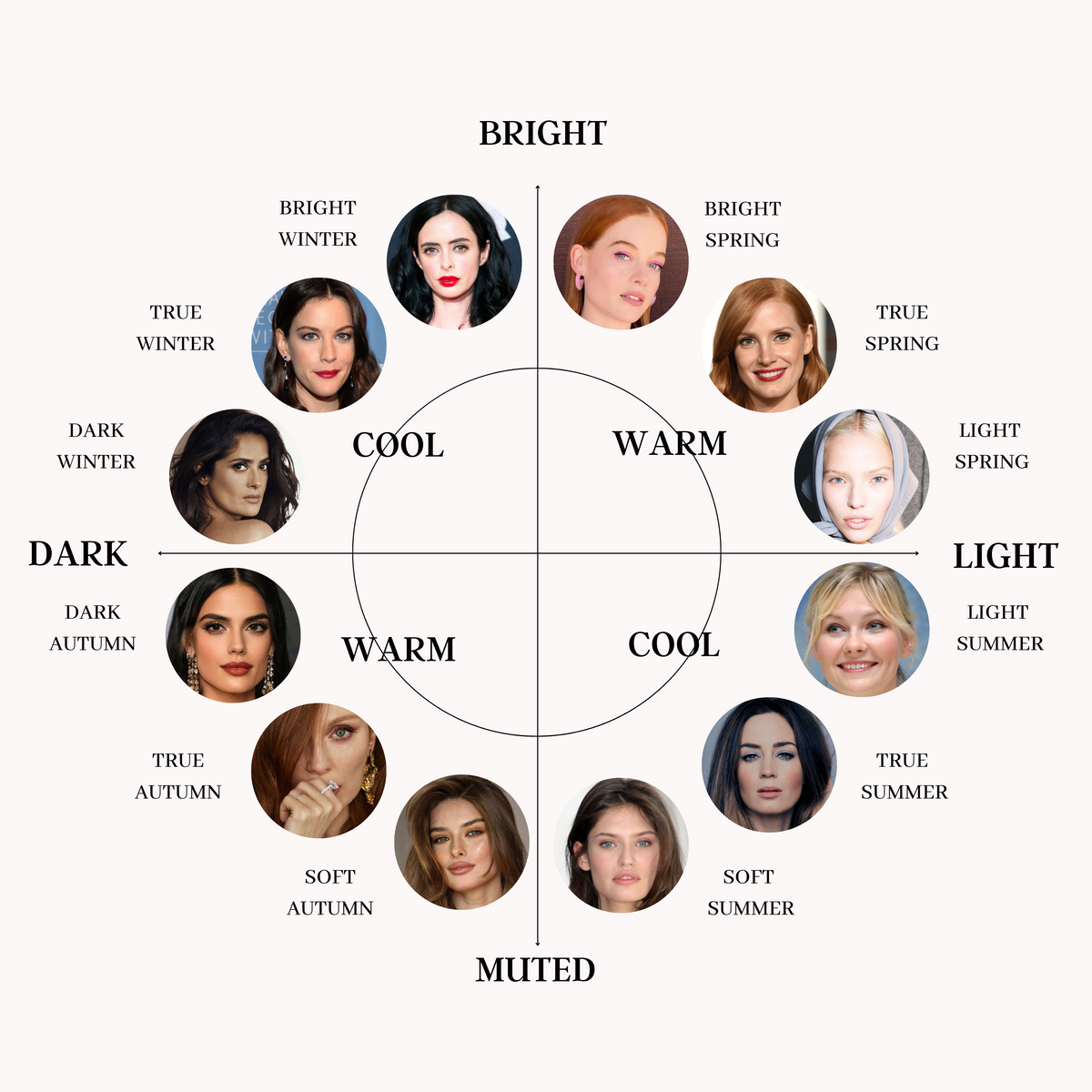
The foundation of this system lies in understanding three key color characteristics: temperature (warm versus cool), value (light versus dark), and chroma (clear versus muted). These attributes work together to create the distinct seasonal categories that guide color selection for optimal visual harmony.
Discover Your Seasonal Color Palette: A Color Analysis Quiz
Understanding your seasonal color palette is the key to building a wardrobe that enhances your natural beauty and makes you look radiant. This quiz will test your knowledge of seasonal color analysis principles and help you better understand how to identify the perfect color palette based on natural features like skin undertones, hair color, and eye characteristics. Whether you're a Spring, Summer, Autumn, or Winter, knowing these fundamentals will transform how you approach color in your wardrobe.
The Four Primary Seasonal Categories
The traditional seasonal color system divides individuals into four main categories, each with distinct characteristics and recommended color palettes:
Seasonal Color Analysis Guide 2024: Characteristics and Color Palettes by Season Type
| Season Type | Skin Undertone | Key Characteristics | Primary Color Palette | Accent Colors |
|---|---|---|---|---|
| Spring | Warm | Light to medium skin with golden undertones, bright eyes (blue, green, hazel), light to medium hair (blonde, light brown, auburn) | Coral, peach, warm pink, golden yellow, turquoise, bright green | Ivory, camel, warm navy, bright orange |
| Summer | Cool | Light to medium skin with pink or blue undertones, soft eye colors (blue, gray, green), ash blonde to medium brown hair | Soft pink, lavender, powder blue, mint green, rose, dusty purple | White, gray, soft navy, burgundy |
| Autumn | Warm | Medium to deep skin with golden or olive undertones, warm eye colors (brown, hazel, green), rich hair colors (auburn, brown, red) | Rust, burnt orange, olive green, golden brown, deep teal, warm burgundy | Cream, chocolate brown, forest green, mustard yellow |
| Winter | Cool | Light to deep skin with pink or blue undertones, contrasting features, dark hair (black, dark brown) or platinum blonde | True red, royal blue, emerald green, hot pink, black, pure white | Silver, charcoal, navy, bright purple |
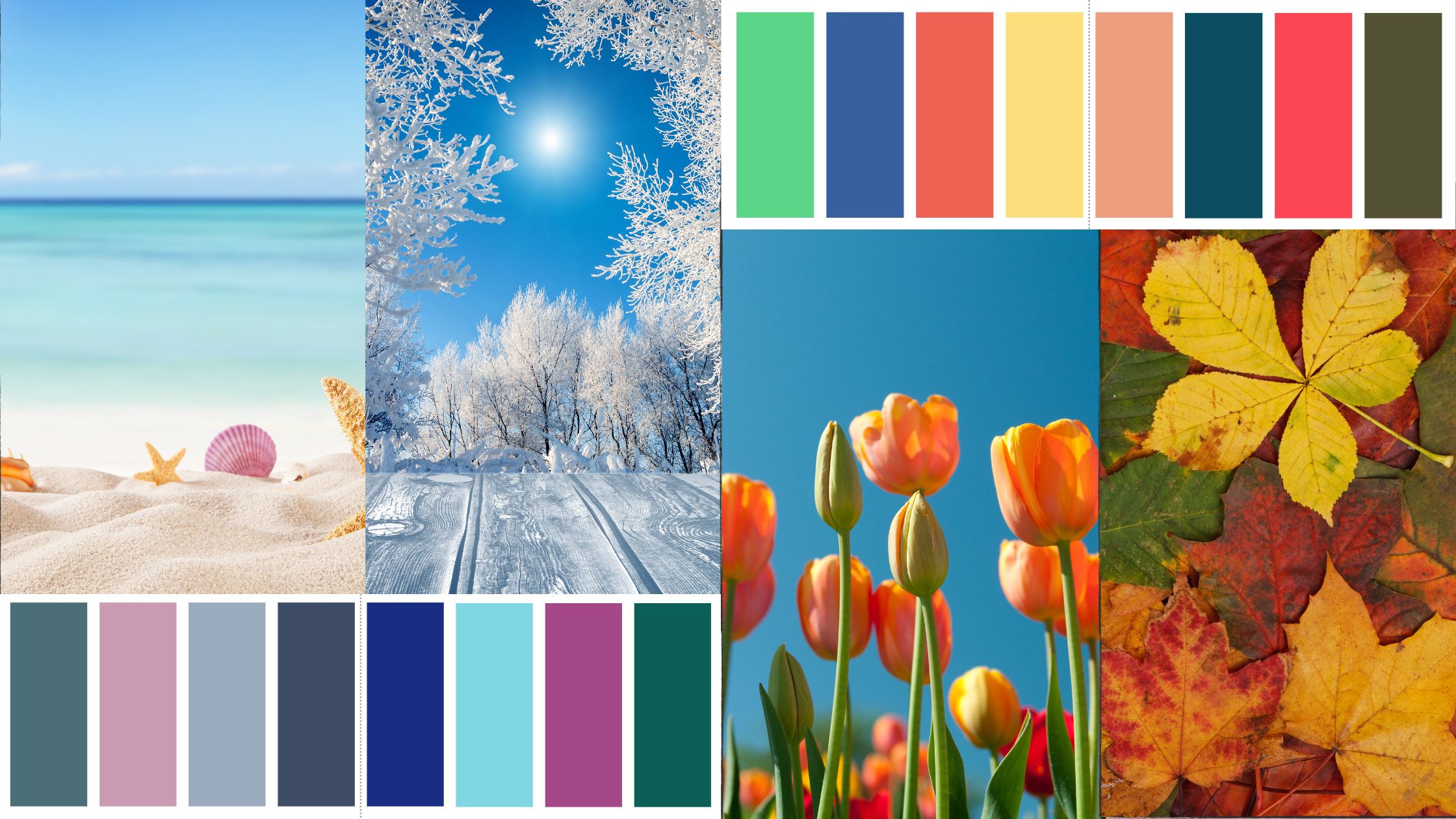
Spring individuals typically possess warm undertones with clear, bright coloring. Their optimal palette includes vibrant, warm colors that mirror the fresh energy of springtime. Think coral pinks, warm yellows, and clear turquoise blues that complement their naturally radiant appearance.
Summer types are characterized by cool undertones and soft, muted coloring. Their ideal palette consists of gentle, cool-toned colors that echo the hazy beauty of summer evenings. Powder blues, soft lavenders, and muted roses create the most flattering combinations for this seasonal type.
Autumn personalities showcase warm undertones with rich, deep coloring. Their perfect palette draws from nature's harvest colors—think burnt orange, olive green, and deep golden browns that enhance their naturally warm and earthy appearance.
Winter individuals possess cool undertones with high contrast between their features. Their optimal colors are bold and dramatic, including true blacks, pure whites, and jewel tones that match their naturally striking appearance.
Evolution to the 12-Season System
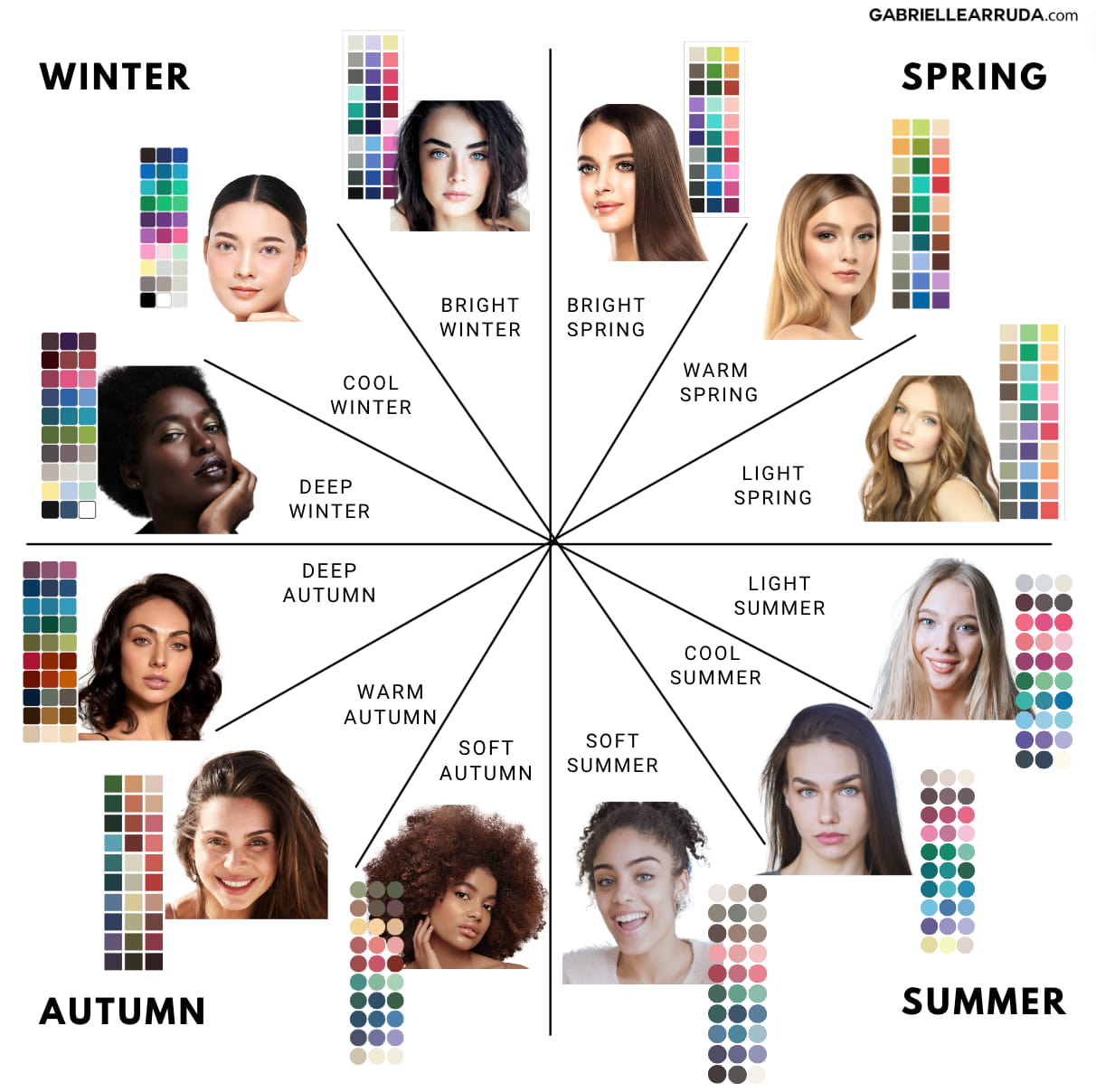
While the traditional four-season approach provides an excellent foundation, the modern 12-season system offers greater precision and personalization. This expanded framework recognizes that individuals often possess characteristics from multiple seasons, leading to more nuanced subcategories within each primary season.
Each main season now includes three subcategories that account for variations in color intensity, warmth, and clarity. For example, the Spring category expands to include Light Spring, Warm Spring, and Clear Spring, each with slightly different optimal color ranges that provide more precise guidance for individual coloring variations.
Connecting Seasonal Colors to Body Types
Understanding your seasonal color palette is only the first step in creating a truly flattering wardrobe. The intersection of color analysis and body type considerations creates the foundation for a styling approach that enhances both your natural coloring and your physical silhouette.
Different body types benefit from strategic color placement and contrast levels that work in harmony with seasonal color recommendations. For instance, individuals with hourglass figures might use their seasonal colors differently than those with rectangle or pear-shaped silhouettes, creating visual balance through thoughtful color application.
Modern Tools and Technology
The digital age has revolutionized how we approach color analysis, with advanced tools and applications making professional-level analysis more accessible. Virtual color analysis platforms, improved lighting technology, and digital color matching have enhanced the accuracy and convenience of determining your seasonal palette.
However, technology should complement, not replace, fundamental understanding of color theory and personal observation. The most effective approach combines digital tools with traditional analysis methods and professional guidance when needed.
Master Your Seasonal Color Palette: Advanced Color Analysis Quiz
Think you understand seasonal color analysis? This advanced quiz will test your knowledge of the sophisticated 12-season system and how it applies to different body types. From identifying subtle undertones to understanding the nuances between seasonal subcategories, these questions will challenge your color expertise and help you refine your personal styling skills.
As we continue through this comprehensive guide, we'll explore how to conduct detailed self-analysis, understand the nuances of the 12-season system, and learn to apply your seasonal colors strategically across different body types for maximum impact and confidence.
Determining Your Seasonal Color Palette: A Comprehensive Assessment
Now that you understand the foundation of seasonal color analysis, it's time to identify your personal color palette. This process involves examining your natural coloring characteristics and understanding how they interact with different color temperatures and intensities.
The Science Behind Color Temperature and Undertones
Your skin's undertone is the key to unlocking your seasonal color palette. Undertones fall into three categories: warm (yellow, peach, or golden), cool (pink, red, or blue), and neutral (a balanced mix). Understanding your undertone is crucial because it determines whether you'll look best in warm or cool-based seasonal palettes.
Discover Your Perfect Seasonal Color Palette
Ready to unlock the secret to colors that make you glow? This quiz will test your knowledge of seasonal color analysis and help you understand how to identify the perfect palette for your unique features. From undertone assessment techniques to seasonal characteristics, let's see how well you know the art of finding your most flattering colors.
The most reliable method for determining undertones involves examining multiple indicators rather than relying on a single test. Professional colorists use natural lighting and observe how different colors interact with your complexion.
Seasonal Color Characteristics by Body Type
While seasonal color analysis traditionally focuses on facial features, your body type can influence how colors appear on your frame and affect the overall harmony of your look.
2024 Seasonal Color Palette Guide by Body Type and Undertone
| Season | Best Body Types | Primary Colors | Hex Codes | Undertone Match |
|---|---|---|---|---|
| Spring | Pear, Hourglass | Coral Pink, Warm Yellow, Peach | #FF7F7F, #FFD700, #FFCBA4 | Warm Golden |
| Summer | Rectangle, Inverted Triangle | Soft Blue, Lavender, Rose Pink | #87CEEB, #E6E6FA, #FFB6C1 | Cool Pink |
| Autumn | Apple, Rectangle | Burnt Orange, Deep Teal, Olive Green | #CC5500, #008B8B, #808000 | Warm Golden |
| Winter | Hourglass, Inverted Triangle | True Red, Navy Blue, Pure White | #FF0000, #000080, #FFFFFF | Cool Blue |
| Soft Summer | Pear, Oval | Dusty Blue, Mauve, Sage Green | #6495ED, #E0B0FF, #9CAF88 | Cool Neutral |
| Deep Winter | Athletic, Rectangle | Emerald Green, Royal Purple, Black | #50C878, #7851A9, #000000 | Cool Deep |
| Warm Spring | Hourglass, Pear | Bright Orange, Golden Yellow, Lime | #FF8C00, #FFD700, #32CD32 | Warm Clear |
| Cool Summer | Inverted Triangle, Rectangle | Powder Blue, Soft Pink, Silver Gray | #B0E0E6, #F8BBD0, #C0C0C0 | Cool Soft |
Petite frames often benefit from lighter, clearer colors within their seasonal palette, as these create less visual weight. Taller or fuller figures can handle deeper, richer tones that might overwhelm smaller frames. However, your seasonal classification remains your primary guide—body type considerations are secondary refinements.
Professional Assessment Techniques
Professional color analysts use specific draping techniques to observe how colors interact with your natural coloring. This process involves placing fabric swatches near your face in natural lighting to observe immediate changes in your complexion.
During draping, analysts look for specific indicators: Does your skin appear clearer and more radiant? Do your eyes seem brighter? Are shadows under your eyes minimized? The right colors will create harmony and enhance your natural features, while wrong colors can make you appear washed out or tired.
Advanced Color Analysis: The 16-Season System
For those seeking even greater precision, the 16-season system provides the most detailed color analysis available. This system considers not only temperature (warm vs. cool) but also chroma (clear vs. muted) and value (light vs. dark) to create highly specific color palettes.
The 16-season system recognizes that many people fall between traditional seasonal categories. For example, someone might be a "Soft Summer" with muted, cool colors, or a "Clear Winter" requiring high-contrast, pure colors. This nuanced approach ensures your color palette perfectly matches your unique coloring.
Digital Tools and Color Analysis Apps
Technology has revolutionized color analysis accessibility. Several digital tools can provide preliminary color assessments, though they shouldn't replace professional analysis for critical wardrobe investments.
When using digital tools, ensure you're in natural lighting and have a clean face without makeup. Take multiple photos at different times of day to account for lighting variations. Remember that screen calibration and camera quality can affect results.
Essential Tools for Accurate Color Analysis
Whether conducting self-analysis or preparing for a professional consultation, having the right tools ensures accurate results. A color analysis kit should include neutral draping cloths, natural lighting setup, and color reference materials.
Common Color Analysis Mistakes to Avoid
Many people make critical errors during self-assessment that lead to incorrect seasonal classification. The most common mistake is analyzing colors in artificial lighting, which can dramatically alter how colors appear against your skin.
Another frequent error is focusing solely on favorite colors rather than colors that enhance natural features. Your personal preferences may not align with your most flattering palette, but learning to work within your seasonal colors while incorporating preferred hues through accessories creates the best results.
Remember that seasonal color analysis is about enhancing your natural beauty, not restricting your choices. Understanding your palette provides a foundation for confident color decisions that make you look and feel your best.
Applying Your Seasonal Color Palette to Different Body Types
Understanding your seasonal color palette is only the first step in creating a cohesive wardrobe. The next crucial phase involves adapting these colors to complement your specific body type, ensuring that every piece you wear enhances both your natural coloring and your silhouette.
Different body types benefit from strategic color placement and specific styling techniques. For instance, apple body types can use their seasonal colors to create visual balance by emphasizing their legs with lighter shades while using deeper tones from their palette on top. Pear-shaped individuals might reverse this approach, drawing attention upward with brighter seasonal colors near the face.
Strategic Color Placement for Body Types
The key to successfully combining color analysis with body type considerations lies in understanding how colors interact with different silhouettes. Warm seasonal types (Spring and Autumn) often benefit from rich, saturated colors that can be strategically placed to enhance their best features, while cool seasonal types (Summer and Winter) excel in colors that create clean lines and sophisticated contrast.
Rectangle body types can use contrasting colors from their seasonal palette to create curves and definition. For example, a Winter type might pair a crisp white blouse with a jewel-toned skirt, while a Spring type could combine coral and cream for similar effect. Hourglass figures can emphasize their natural waist with fitted pieces in their most flattering seasonal colors.
Building Your Seasonal Wardrobe by Body Type
Creating a wardrobe that honors both your seasonal color palette and body type requires a systematic approach. Start with foundational pieces in your most neutral seasonal colors, then add statement pieces in your signature shades.
Investment pieces should always align with your seasonal palette's core colors. A Winter type might invest in a charcoal wool coat, while a Summer type would choose soft gray. These foundational pieces serve as the backdrop for more colorful additions that reflect your seasonal characteristics.
Seasonal Color Styling Tools and Accessories
The right tools can make implementing your seasonal color analysis significantly easier. Color fans and digital apps help you identify your palette colors while shopping, ensuring consistency in your wardrobe choices.
Accessories play a crucial role in bringing your seasonal colors to life. Scarves, jewelry, and handbags in your palette colors can instantly elevate basic pieces and create cohesion throughout your wardrobe. For body type considerations, use accessories strategically—belts in seasonal colors can define waists, while statement necklaces in your signature shades draw attention to your face.
Advanced Color Analysis Techniques
As you become more comfortable with your seasonal palette, you can explore advanced techniques like color blocking within your season or incorporating different intensities of your core colors. Understanding the undertones within your seasonal palette allows for more sophisticated styling choices that maintain harmony while offering variety.
Remember that seasonal color analysis is a guideline, not a rigid rule system. The goal is to enhance your natural beauty while expressing your personal style. Some individuals may find they bridge two seasons or that certain colors from outside their traditional palette work beautifully when styled correctly.
The intersection of color analysis and body type styling creates endless possibilities for personal expression. By understanding how your seasonal colors interact with your body's proportions, you can create a wardrobe that not only looks cohesive but also makes you feel confident and authentically yourself. Whether you're dressing for professional settings, casual occasions, or special events, your seasonal color palette provides the foundation for choices that consistently enhance your appearance and reflect your unique style personality.
No comments yet. Be the first to share your thoughts!