

How Gen Z views body image
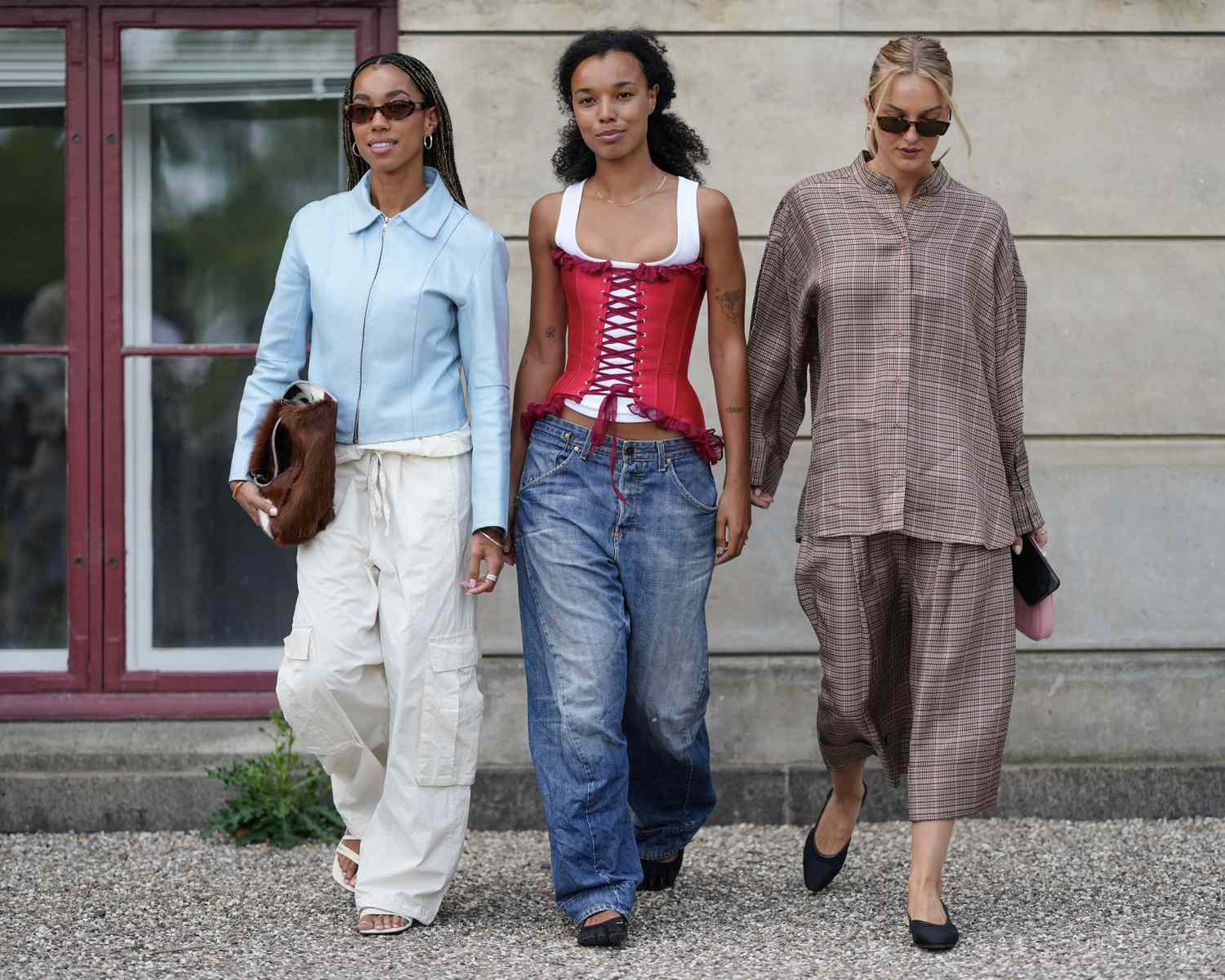
Gen Z is changing how we look at fashion. Growing up with social media means we see more body types than previous generations did. We want clothes that fit real people, and brands that don't offer inclusive sizing are falling behind. We're dressing for the bodies we have right now.
The focus is less on achieving a "perfect’ body and more on expressing personal style. We see a rejection of rigid ‘rules’ about what body types should wear, and a greater emphasis on comfort and confidence. This approach is refreshing. It"s about finding clothes that make you feel good, regardless of what anyone else thinks. Think TikTok trends prioritizing self-expression over conformity, and a growing number of influencers advocating for body neutrality.
This generation’s approach to style is also very pragmatic. Gen Z is financially conscious and environmentally aware, meaning they’re looking for versatile pieces that can be styled in multiple ways. They’re drawn to thrifting, vintage finds, and sustainable brands. The idea of a fast fashion haul feels increasingly out of touch with their values. They want clothes that reflect their personality and their principles.
What this means for body shape styling is a move away from prescriptive advice. It's less about 'hiding' flaws and more about accentuating strengths. It’s about understanding your proportions and choosing clothes that work with your body, not against it. This guide isn’t about dictating what you should wear, but providing a toolkit for building a wardrobe that makes you feel empowered.
New ways to categorize body types
The traditional "apple,’ ‘pear,’ and ‘hourglass’ classifications feel incredibly outdated and limiting. They don"t account for the diversity of body shapes and can be surprisingly unhelpful. These categories often focus on where you carry weight, rather than your overall structure. We need a more nuanced approach, one that considers shoulder-to-hip ratio, waist definition, and overall body composition.
I propose a system based on six core types: "athletic,’ ‘rectangular,’ ‘inverted triangle,’ ‘round/soft triangle,’ ‘hourglass,’ and ‘spoon." These aren't rigid boxes, of course. Many people will find they fall somewhere in between, or are a blend of two types. This is perfectly normal. The goal is to identify the characteristics that are most prominent in your shape.
The athletic build typically has broad shoulders and a straighter waistline, often with muscular definition. The rectangular shape features a similar straight silhouette, but with less pronounced muscle tone. An inverted triangle has wider shoulders than hips. The round/soft triangle has a defined waist and wider hips and thighs. The hourglass is characterized by balanced shoulders and hips, and a well-defined waist. Finally, the spoon shape has similar proportions to the round triangle, but with a more pronounced curve through the hips and thighs.
Ellie Jean Royden, in her 2024 YouTube video outlining "the body matrix," emphasizes the importance of understanding your unique proportions. She identifies 27 different types, though I find that grouping them into these six broader categories is more practical for wardrobe planning. Remember that these are just starting points – the most important thing is to experiment and find what makes you feel confident.
What's Your Gen Z Body Shape?
Figuring out your body shape is the first step to building a wardrobe that *actually* flatters you. This quick visual quiz will help you identify your primary shape, so you can unlock personalized styling advice tailored for the latest trends. Don't overthink it – go with your first instinct!
Dressing an athletic build
If you identify with the athletic build, your goal is to create the illusion of curves and softness. This isn’t about adding weight, but about balancing broader shoulders and a straighter silhouette. The key is to introduce shapes and fabrics that add dimension. Wrap dresses are fantastic, as they cinch the waist and create a flattering shape. Peplum tops also work well, adding volume to the hips.
A-line skirts are your friend. They create a feminine silhouette without adding bulk. Look for fabrics that drape well, like silk or jersey. Avoid boxy or shapeless clothing that can make you look even more straight-lined. Instead, embrace pieces that define your waist and create a softer overall look. Think about adding ruffles or other details to your tops and dresses.
Don't shy away from color and pattern. These can add visual interest and break up the straight lines of your body. Consider a patterned scarf or a colorful statement necklace. Belts are also a great way to cinch your waist and create definition. But be mindful of the width of the belt – a too-wide belt can actually emphasize your straightness.
An athletic build refers to your bone structure, not how often you hit the gym. It's characterized by broader shoulders and a straight torso. Pick clothes that feel comfortable rather than worrying about fitness labels.
Rectangular: Creating Definition
Styling a rectangular shape – a figure with minimal waist definition – can be tricky. The goal is to create the illusion of curves. Layering is a powerful tool here. A fitted blazer over a flowing blouse can add shape and dimension. Don't be afraid to experiment with different textures and fabrics to create visual interest.
Belting is essential. A well-placed belt can instantly cinch your waist and create a more defined silhouette. Choose a belt that’s proportional to your body – too wide or too narrow can look awkward. Asymmetrical cuts can also be very flattering, as they draw the eye and create a sense of movement. Ruffles, pleats, and other details can add volume and shape.
I’m hesitant to recommend simply "adding volume" as it can easily look bulky. Instead, focus on defining the waist and creating a focal point. Color blocking can also be effective, using darker colors to define the waist and lighter colors to highlight other areas. Strategic use of accessories, like a statement necklace or a scarf, can also draw attention to your upper body.
Think about dresses with ruching or draping around the waist. These details can create the illusion of curves. Avoid clothing that is overly boxy or shapeless. You want to create a silhouette that is flattering and balanced.
Inverted Triangle: Balancing Proportions
An inverted triangle shape – wider shoulders and narrower hips – requires balancing proportions. The aim is to add volume to the lower body to create a more balanced silhouette. A-line skirts and dresses are excellent choices, as they flare out from the waist and add width to the hips. Wide-leg pants and flared jeans are also great options.
V-necklines and raglan sleeves can minimize the appearance of broad shoulders. These styles draw the eye downward and create a more elongated look. Avoid tops with shoulder pads or excessive detailing, as these can exaggerate your shoulder width. Instead, opt for softer, more flowing fabrics.
It's important to remember that strong shoulders are a great asset. We’re not trying to hide them, just to balance them out. A well-tailored blazer can actually be very flattering, as long as it’s not too boxy. Focus on creating a cohesive look that celebrates your shape.
Experiment with accessories. A statement belt or a colorful scarf can draw attention to your waist and hips. Avoid wearing tops that are too tight, as this can emphasize the difference between your shoulders and hips.
Soft Triangle & Spoon: Accentuate Your Curves
If you have a soft triangle or spoon shape – wider hips and thighs – the key is to highlight your waist and draw attention upward. Wrap dresses are incredibly flattering, as they cinch the waist and create a beautiful silhouette. Fitted tops that emphasize your upper body also work well.
A-line skirts and dresses can skim over your hips and thighs without clinging. Avoid overly tight clothing that can accentuate areas you’re self-conscious about. Instead, embrace fabrics that drape well and move with your body. Strategic use of accessories can also draw attention to your upper body – a statement necklace or earrings can be very effective.
Don't be afraid to show off your curves. They are beautiful and should be celebrated. I worry that a lot of style advice for these shapes focuses on "minimizing’ or ‘hiding" curves, which is a harmful message. Instead, focus on finding clothes that make you feel confident and comfortable.
When shopping for jeans, look for styles that fit well in the waist and hips. A little bit of stretch can make a big difference. Don’t settle for jeans that are too tight or too loose – a perfect fit is essential.
Hourglass: Celebrating Your Shape
The hourglass shape is often considered the "ideal,’ but it"s important to remember that all body shapes are beautiful. The key to dressing an hourglass figure is to emphasize the waist and maintain balance. Fitted clothing is your best friend. Wrap dresses, high-waisted styles, and tailored separates will all look fantastic.
Avoid overly baggy or shapeless clothing that obscures your waist. These styles can make you look boxy and lose your definition. Instead, opt for pieces that follow the natural curves of your body. Belts are also a great way to cinch your waist and create a more defined silhouette.
The hourglass shape is incredibly versatile, so don’t be afraid to experiment with different styles. You can rock everything from bodycon dresses to tailored pantsuits. The most important thing is to choose clothes that make you feel confident and comfortable. This shape often receives a lot of attention, so focus on versatility and avoiding clichés.
The best denim fits for your shape
Finding the right denim can be a challenge, regardless of your body type. The key is to understand the different washes, rises, and leg styles and how they work with your shape. High-waisted jeans are generally flattering on most body types, as they cinch the waist and elongate the legs.
For the athletic build, look for jeans with a bit of stretch to accommodate broader shoulders. A straight-leg or bootcut style can help balance your proportions. For the rectangular shape, mid-rise jeans with a slight flare can create the illusion of curves. For the inverted triangle, a wider leg opening can balance broader shoulders. Soft triangle and spoon shapes benefit from a higher rise and a comfortable fit through the hips and thighs.
The hourglass shape can wear almost any style of jeans, but a high-waisted, fitted style will emphasize your curves. When it comes to washes, darker washes tend to be more flattering and slimming. Avoid overly distressed or embellished jeans, as these can add bulk.
Everlane and Madewell carry broad size ranges. Levi’s remains the standard for variety in washes and leg shapes. Good American focuses on curvy fits, while Reformation uses sustainable production methods.
- High-waisted cuts define the waist and make legs look longer.
- Straight-Leg: A versatile option for most body types.
- Bootcut: Balances wider hips and thighs.
- Flared: Adds volume to the lower body.
- Skinny jeans work well for hourglass and athletic frames.
Denim Fit Guide by Body Type (2026 Trends)
| Body Type | Rise | Wash | Leg Style |
|---|---|---|---|
| Athletic | High Rise | Medium to Dark | Straight Leg or Bootcut - balances shoulders and hips. Skinny can work if paired with volume on top. |
| Rectangular | Mid to High Rise | Medium | Straight Leg, Wide-Leg, or Bootcut - Creates the illusion of curves. Avoid overly tight fits. |
| Pear | High Rise | Dark | Bootcut or Wide-Leg - Balances wider hips. Straight leg is also a good option. Lighter washes can draw attention to the hips, so consider carefully. |
| Apple | Mid Rise | Medium to Dark | Straight Leg or Wide-Leg - Creates a more balanced silhouette. Avoid low-rise which can emphasize the midsection. |
| Hourglass | High Rise | Medium to Dark | Skinny, Straight, or Bootcut - Enhances curves. Most styles work well, consider personal preference. |
| Inverted Triangle | Mid to Low Rise | Light to Medium | Wide-Leg or Bootcut - Adds volume to the lower body to balance broader shoulders. Avoid skinny jeans which can accentuate the imbalance. |
| Petite | High Rise | Dark | Straight Leg or Skinny - Elongates the legs. Avoid overly baggy or long styles. |
Illustrative comparison based on the article research brief. Verify current pricing, limits, and product details in the official docs before relying on it.



No comments yet. Be the first to share your thoughts!