

Understanding Your Body Type
Understanding Your Body Type
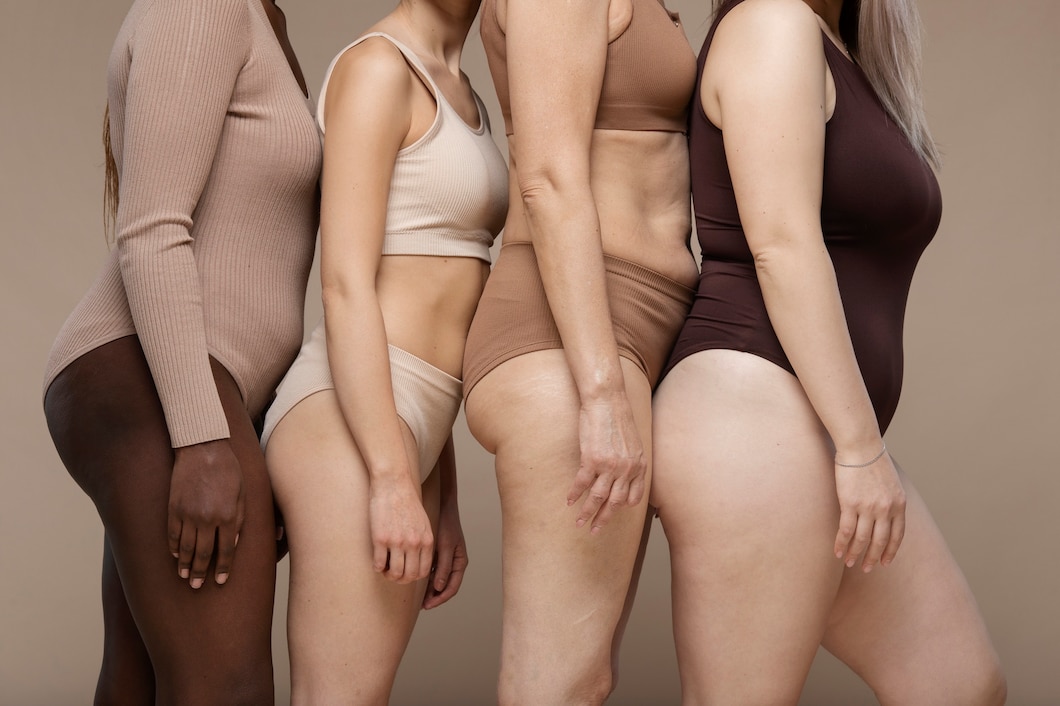
When it comes to dressing for success, understanding your body type is key. Not all clothing styles are created equal, and what looks great on one person may not flatter another. Here are some common body types and tips for dressing to accentuate your best features:
- Hourglass: If you have an hourglass figure, you have a defined waist and balanced proportions between your upper and lower body. Highlight your curves with fitted clothing, such as a wrap dress or high-waisted pants.
- Apple: If you carry weight in your midsection, you have an apple-shaped body. Draw attention to your legs and arms with A-line dresses or tops with a V-neckline.
- Pear: If you have a pear-shaped body, you carry weight in your hips and thighs. Balance out your proportions with clothing that accentuates your waist, such as a belted dress or high-waisted skirt.
- Straight: If you have a straight body type, your waist, hips, and shoulders are all about the same width. Create the illusion of curves with clothing that adds volume, such as a peplum top or flared skirt.
- Inverted Triangle: If you have broad shoulders and a narrow waist and hips, you have an inverted triangle body type. Draw attention to your lower half with clothing that flares out, such as a fit-and-flare dress or wide-leg pants.
Remember, these are just general guidelines, and everyone's body is unique. The most important thing is to wear clothing that makes you feel confident and comfortable.
Identifying Your Color Palette
Identifying Your Color Palette
Choosing the right colors for your wardrobe can make all the difference in how you look and feel. The first step in identifying your color palette is to determine your skin tone. There are three main categories of skin tones: cool, warm, and neutral.
If you have cool undertones, you will look best in colors with blue or pink undertones, such as jewel tones like emerald green, sapphire blue, and ruby red. If you have warm undertones, you will look best in colors with yellow or orange undertones, such as earth tones like olive green, burnt orange, and mustard yellow. If you have neutral undertones, you can wear both cool and warm colors.
Once you have determined your skin tone, you can start building your color palette. This doesn't mean you have to limit yourself to only these colors, but they should be the foundation of your wardrobe. You can also experiment with complementary colors, which are colors that are opposite each other on the color wheel. For example, if you have cool undertones, you can pair a jewel-toned blue dress with a pair of orange earrings for a pop of color.
Remember, your personal style should always come first. If you love a color that doesn't necessarily fit within your color palette, don't be afraid to wear it. Confidence is key when it comes to fashion.
Choosing the Right Silhouette
Choosing the Right Silhouette
When it comes to fashion, the silhouette of your outfit can make all the difference. The right silhouette can accentuate your best features and create a flattering shape, while the wrong one can do the opposite. Here are some tips for choosing the right silhouette for your body type:
For Hourglass Shapes:
If you have an hourglass figure, you want to highlight your curves without adding bulk. Look for fitted styles that cinch at the waist, such as wrap dresses or pencil skirts. A-line dresses and skirts can also be flattering, as they flare out from the waist and create a balanced silhouette.
For Pear Shapes:
If you have a pear-shaped body, you want to draw attention to your upper body while minimizing your hips and thighs. Look for tops with interesting details, such as ruffles or embellishments, to draw the eye upwards. A-line skirts and dresses can also be flattering, as they flare out from the hips and create a balanced silhouette.
For Apple Shapes:
If you have an apple-shaped body, you want to create the illusion of a waistline while minimizing your midsection. Look for dresses and tops with a defined waistline, such as wrap dresses or peplum tops. A-line skirts can also be flattering, as they create a balanced silhouette.
For Rectangle Shapes:
If you have a rectangle-shaped body, you want to create the illusion of curves. Look for dresses and tops with a defined waistline, such as belted dresses or tops. Peplum tops and skirts can also be flattering, as they create the illusion of curves.
Remember, these are just guidelines – the most important thing is to wear what makes you feel confident and comfortable. Experiment with different silhouettes to find what works best for you and your unique style.
Playing with Patterns and Prints
Playing with Patterns and Prints
Patterns and prints can add a lot of personality and interest to your outfit, but it can be tricky to know how to incorporate them into your wardrobe. Here are some tips to help you play with patterns and prints:
1. Start small: If you're new to patterns and prints, start with a small accessory like a scarf or a pair of socks. This will help you get comfortable with incorporating patterns into your outfit without feeling overwhelmed.
2. Mix and match: Don't be afraid to mix different patterns and prints together. The key is to make sure that the colors complement each other and that the patterns are different enough to create contrast.
3. Balance it out: If you're wearing a bold patterned top, balance it out with a solid colored bottom. This will help keep your outfit from looking too busy.
4. Consider your body type: Certain patterns and prints can be more flattering on certain body types. For example, vertical stripes can make you look taller, while horizontal stripes can make you look wider. If you're unsure, try on different patterns and see what works best for you.
5. Have fun: Fashion is all about expressing yourself, so don't be afraid to have fun with patterns and prints. If you love a certain print, wear it with confidence!
Accessorizing for Impact
Accessorizing for Impact
Accessories are the icing on the cake when it comes to creating a complete outfit. They can add personality, texture, and color to any look. But, when it comes to accessorizing, it's important to strike a balance between too little and too much. Here are some tips for accessorizing for impact:
1. Choose statement pieces: Statement pieces are accessories that stand out and draw attention. They can be a bold necklace, a chunky bracelet, or a pair of statement earrings. When choosing statement pieces, make sure they complement your outfit and don't clash with other accessories.
2. Mix and match: Don't be afraid to mix and match different accessories to create a unique look. For example, you can pair a delicate necklace with a chunky bracelet or wear a statement ring with a pair of simple earrings.
3. Pay attention to color: Accessories are a great way to add pops of color to your outfit. When choosing accessories, consider the colors in your outfit and choose pieces that complement or contrast with them.
4. Consider the occasion: The occasion will also dictate the type of accessories you wear. For example, a formal event may call for more elegant and understated accessories, while a casual outing may allow for more playful and colorful pieces.
5. Don't forget about shoes and bags: Shoes and bags are also important accessories that can make or break an outfit. When choosing shoes and bags, consider the occasion, your outfit, and your personal style.
Accessorizing is all about adding the finishing touches to your outfit. With these tips, you can create a look that is both stylish and impactful.
Dressing for Different Occasions
Dressing for Different Occasions
When it comes to dressing for different occasions, it's important to consider the dress code and the overall vibe of the event. Here are some tips to help you choose the perfect outfit:
1. Formal Events: For formal events such as weddings or galas, opt for a classic silhouette such as a floor-length gown or a tailored suit. Stick to neutral colors such as black, navy, or gray, and add a pop of color with your accessories.
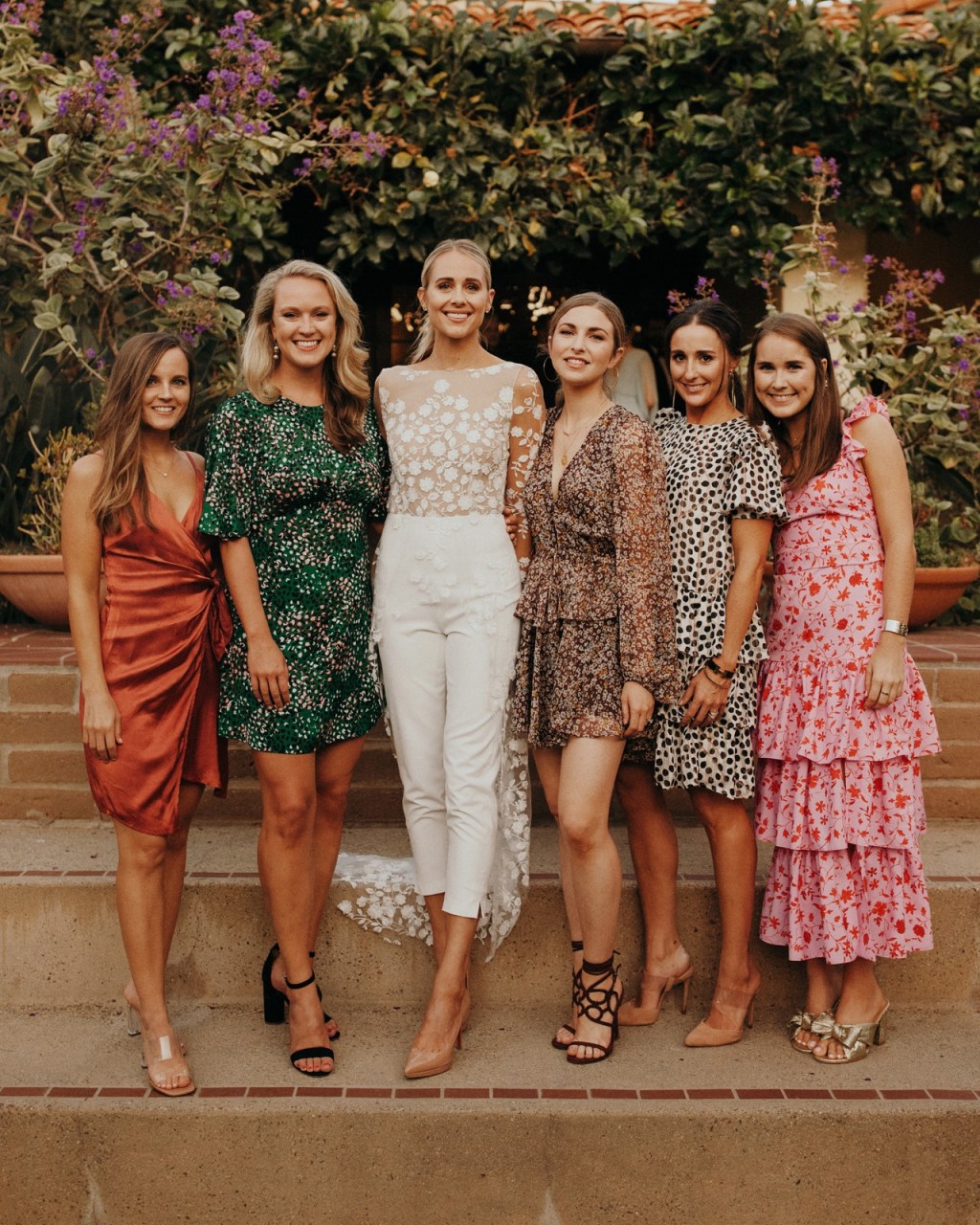
Image source: Unsplash
2. Business Meetings: For business meetings, it's important to look polished and put together. Stick to classic pieces such as a tailored blazer, trousers, and a button-down shirt. Stick to neutral colors such as black, navy, or gray, and add a pop of color with your accessories.

Image source: Unsplash
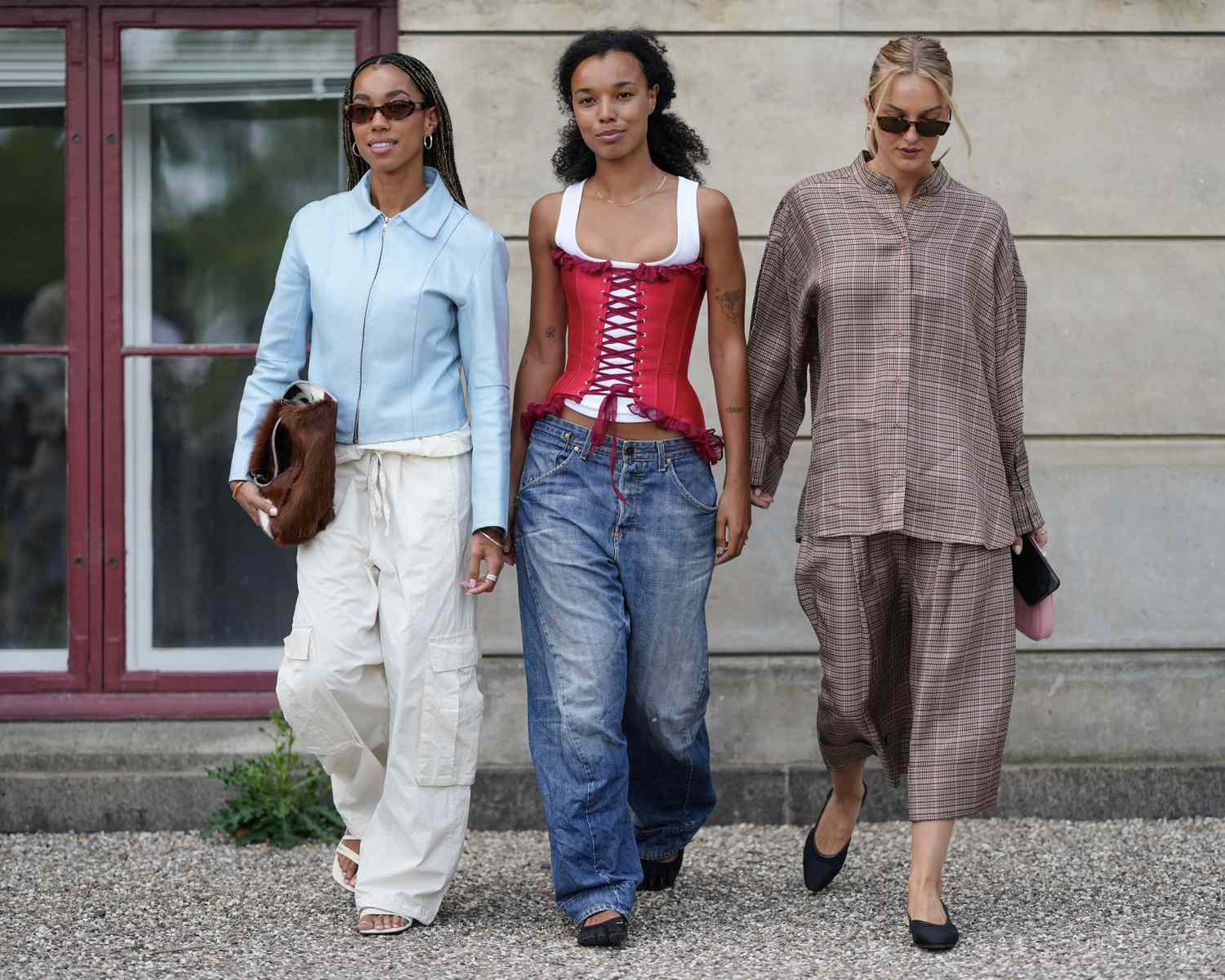
3. Casual Events: For casual events such as brunch with friends or a weekend outing, opt for comfortable yet stylish pieces such as a flowy sundress or a pair of jeans and a cute top. Experiment with colors and patterns to show off your personal style.
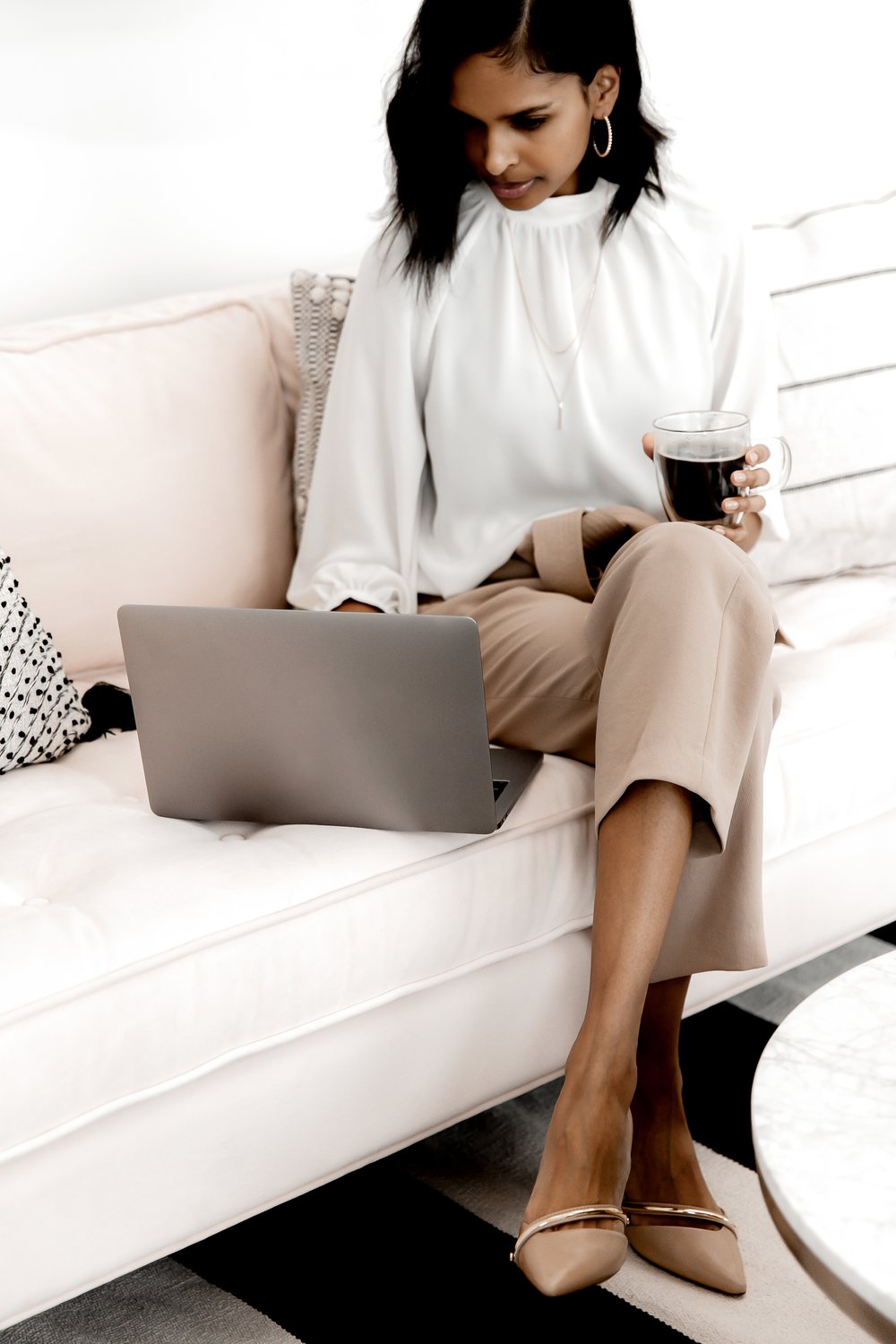
Image source: Unsplash
Remember, the key to dressing for different occasions is to strike a balance between comfort and style. Don't be afraid to experiment with different colors, patterns, and silhouettes to find what works best for you.
Tips for Shopping Smart
Tips for Shopping Smart
Shopping for clothes can be a daunting task, especially if you're not sure what to look for. Here are some tips to help you shop smart and find the perfect outfit for your body type and color palette:
- Know your measurements: Before you start shopping, take your measurements so you know what size to look for. This will save you time and frustration in the dressing room.
- Shop with a plan: Make a list of the items you need and stick to it. This will help you avoid impulse buys and ensure that you're building a wardrobe that works for you.
- Try everything on: Don't assume that something won't look good on you without trying it on first. You might be surprised by what works and what doesn't.
- Invest in quality pieces: It's better to have a few high-quality pieces that you love than a closet full of cheap clothes that you don't wear. Look for well-made items that will last for years.
- Don't be afraid to ask for help: If you're not sure what to look for or need some guidance, don't be afraid to ask a salesperson for help. They can offer suggestions and help you find the perfect outfit.
- Shop online: Online shopping can be a great way to find unique pieces that you might not be able to find in stores. Just make sure to read reviews and check the sizing chart before making a purchase.
By following these tips, you can shop smart and build a wardrobe that makes you feel confident and stylish.

Embracing Your Unique Style
Embracing Your Unique Style
While it's important to understand your body type and color palette when choosing outfits, it's also essential to embrace your unique style. Your personal style is what sets you apart from everyone else and makes you feel confident and comfortable in your clothes.
Don't be afraid to experiment with different styles and trends to find what works for you. If you love bold colors and patterns, incorporate them into your wardrobe. If you prefer classic and timeless pieces, invest in high-quality basics that will last for years.
Remember that fashion is all about expressing yourself and having fun with your clothes. Don't be afraid to take risks and try new things. You might be surprised at how much you love a style or trend that you never thought would work for you.
One way to embrace your unique style is to mix and match different pieces to create your own signature look. For example, pair a classic blazer with a graphic t-shirt or layer a statement necklace over a simple dress.
Another way to express your personal style is through your accessories. Whether it's a bold pair of earrings or a statement handbag, accessories can add a pop of personality to any outfit.
Ultimately, the key to embracing your unique style is to be confident and comfortable in your clothes. When you feel good in what you're wearing, it shows, and that's what makes you truly stylish.




No comments yet. Be the first to share your thoughts!