
The visual leap in AR
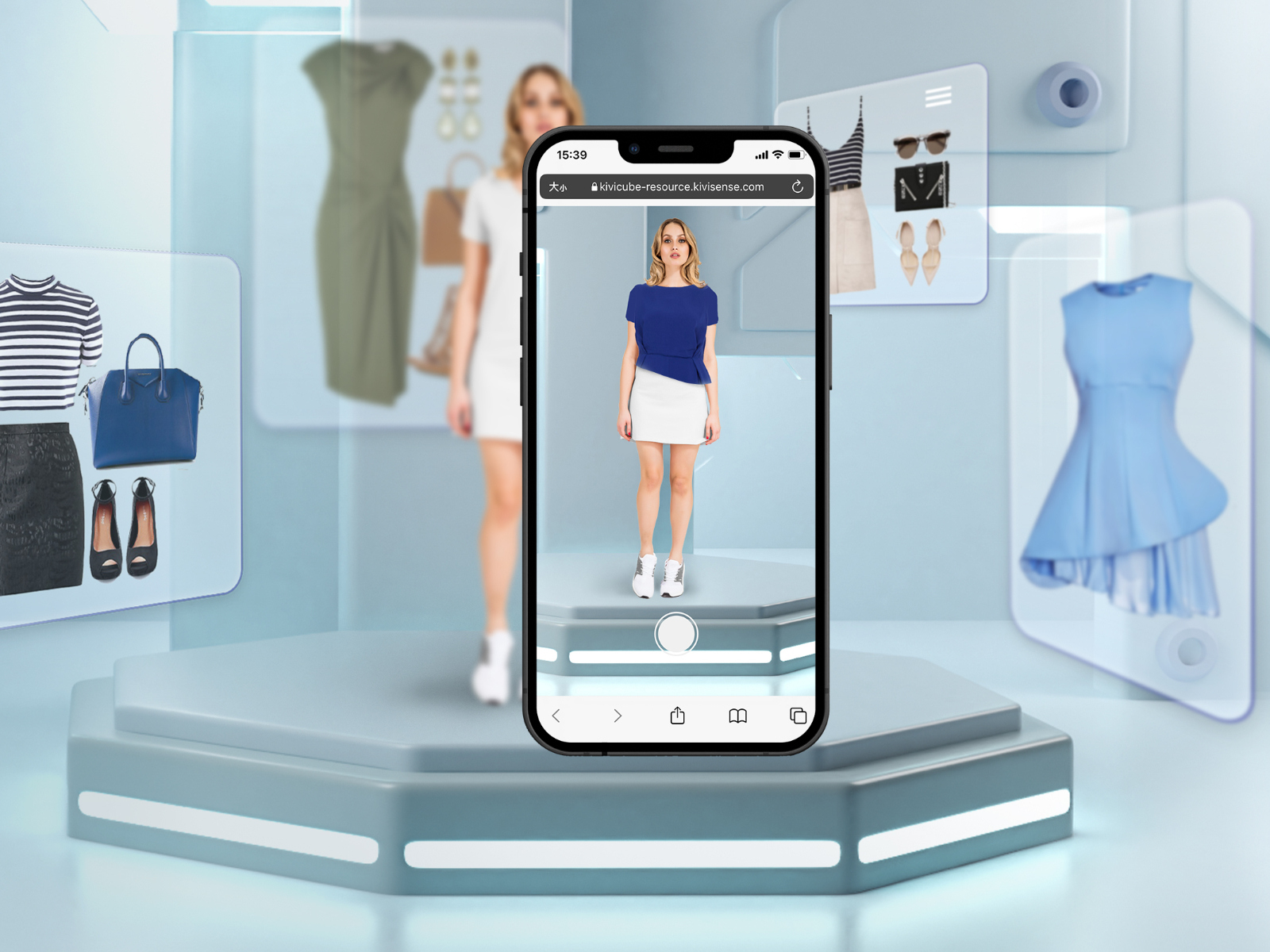
In 2026, the idea of "trying on’ clothes online has moved far beyond simply seeing an image of a garment on a model. Augmented reality (AR) fashion try-ons are now commonplace, and they’re genuinely convincing. We"ve moved past the early days of clunky overlays to simulations that realistically depict how fabric drapes, how light interacts with texture, and even how a garment moves with your body.
This leap in realism is driven by significant advancements in smartphone camera technology and the increasing sophistication of AR glasses—though phones remain the dominant platform for now. Companies are using techniques like neural rendering to create incredibly detailed and lifelike virtual clothing. Consider the early attempts at virtual try-on versus what’s available today; the difference is dramatic.
What sets this apart from traditional online shopping is the dimensionality. You aren’t just looking at clothing; you're seeing it on you, in your space, and in motion. This addresses a major pain point for online shoppers—the uncertainty of fit and appearance—in a way that static images simply can't. It's a far cry from estimating sizes and hoping for the best.
Confirming color harmony
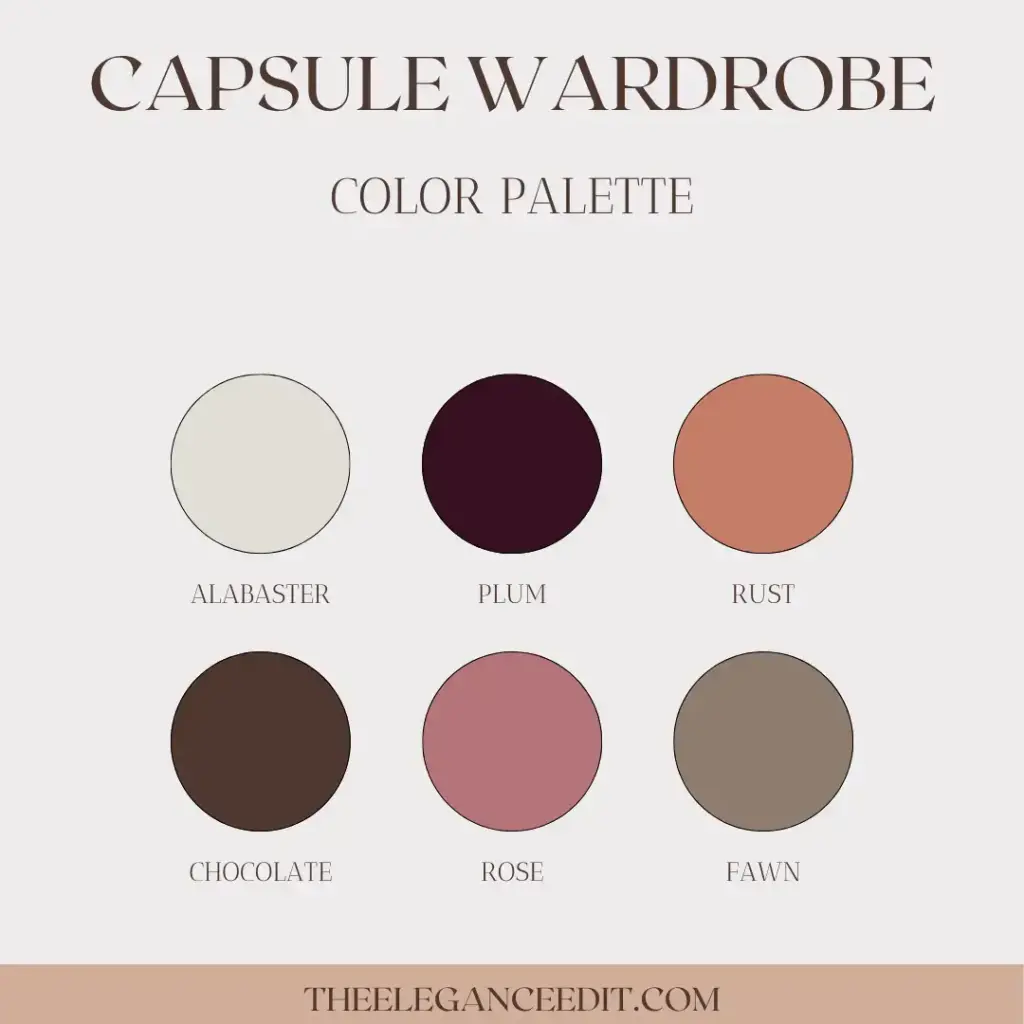
AR try-on apps aren’t just about visualizing clothes; they’re also powerful tools for color coordination. Many apps now analyze a user’s skin tone using the phone’s camera, identifying undertones and suggesting colors that will be particularly flattering.
This leverages established color theory principles, like those detailed in resources like MasterClass’s guide on using the color wheel. The difference is that instead of reading about color pairings, users get to see them instantly applied to their own image. This takes the guesswork out of finding complementary colors.
Importantly, good apps don’t just enforce "rules.’ They understand that personal preference plays a huge role. While an app might suggest colors based on your skin tone, it should also offer a range of options and allow you to experiment to find what you feel best in. It"s about empowerment, not prescription.
Discover Your Color Season: A Quick Guide
As AR fashion try-ons become increasingly sophisticated, understanding your underlying color season is more important than ever. Knowing whether you lean warm, cool, or neutral will unlock a world of clothing choices that perfectly complement your natural features. This quick quiz will help you identify your core color season, paving the way for a more harmonious and flattering wardrobe, perfectly utilized within the new VR styling experiences of 2026.
Beyond the Wheel: The 3-Color Rule in AR
Emma Hill’s YouTube video on the "3-color rule" demonstrates a simple, yet effective, approach to outfit building. The idea is to choose a main color, a secondary color, and a third accent color to create a balanced and visually appealing look. AR apps are now incorporating this principle.
Imagine selecting a blue shirt and black pants in an AR try-on app. The app could then suggest a third color—perhaps a muted orange or a warm gray—to complete the outfit. This goes beyond just showing you the individual garments; it visualizes the entire ensemble on you before you even consider making a purchase.
I'm seeing more apps experimenting with pattern suggestions as well. Not just solid colors, but how a floral print or a striped top might complement the rest of your wardrobe. It’s a subtle addition, but it adds another layer of helpfulness to the experience.
Matching clothes to body shape
One of the most promising applications of AR in fashion is its ability to address body shape concerns. Apps are increasingly utilizing body scanning technology – primarily through smartphone cameras – to create a 3D model of the user.
This model isn’t about determining a specific size; it’s about understanding your unique proportions. The app can then suggest clothing styles that are likely to flatter your shape, highlighting your best features and minimizing areas you might be less confident about. This is a huge step forward from relying on generic size charts.
Current scans aren't perfect. They still struggle with loose fabrics and specific lighting, but the tech is moving fast. Privacy is the bigger hurdle; companies have to be clear about where that 3D body data actually goes.
- Download an app like Wanna or Zeekit to test the current tech.
- Follow the on-screen instructions for body scanning.
- Review the generated 3D model.
- Explore style recommendations based on your body shape.
Trying on Pinterest inspiration
Platforms like Pinterest are a major source of fashion inspiration, but translating that inspiration into a wearable outfit can be challenging. AR is bridging that gap by allowing users to "try on" outfits they discover on Pinterest.
Many AR apps now offer integration with Pinterest, allowing you to select a Pin and instantly visualize the look on your own body. This is a game-changer for visual shoppers. It removes the uncertainty of whether a particular style will actually suit you.
I believe this seamless integration is a major driver of AR adoption. It’s convenient, it’s engaging, and it addresses a real need for consumers. The ability to move from inspiration to visualization in a single click is incredibly powerful.
The Rise of Virtual Styling Services
We’re seeing a growing trend of virtual styling services powered by AR technology. These services connect users with remote stylists who can assess their body shape, skin tone, and personal preferences.
The stylist then uses AR to create and present outfit recommendations, allowing the client to virtually "try on’ different looks before making a purchase. This offers a level of personalization and convenience that traditional in-person styling can’t always match. It"s particularly appealing to those who lack the time or access to a personal stylist.
It’s too early to say whether this will completely replace in-person styling, but it’s certainly a viable alternative for many. The benefits include lower costs, greater flexibility, and access to a wider range of stylists. The drawbacks are the lack of tactile experience and the potential for miscommunication.
AR and Inclusivity: Expanding Style Options
AR has the potential to make fashion more accessible and inclusive for people of all body types and abilities. It can help individuals find clothing that fits their needs and preferences, regardless of size or physical limitations. This is particularly important for those who have historically been underserved by the fashion industry.
For example, someone with limited mobility might use AR to visualize how easy it will be to put on and take off a particular garment. Or, someone who uses a wheelchair might use AR to find clothing that is comfortable and stylish while seated. I think this is where AR can truly shine—by addressing the needs of a wider range of consumers.
However, it’s crucial that AR simulations accurately represent diverse skin tones and body shapes. Early iterations of the technology often struggled with accurately portraying darker skin tones, leading to inaccurate color recommendations. Developers are now actively working to address these biases and ensure that AR is truly inclusive.
Have you used AR to try on clothes? If so, how did it impact your shopping decisions?
Vote below and tell us whether AR try-ons have changed how you evaluate color coordination, fit, and purchase decisions.
No comments yet. Be the first to share your thoughts!