
The shift toward digital color analysis
For decades, understanding which colors truly flatter you felt like a closely guarded secret. Traditional color analysis, with its seasonal or tonal systems, has always been around, but it often required expensive consultations and a degree of subjective interpretation. It was a process that, frankly, wasn’t accessible to everyone. Now, things are changing rapidly. We're seeing a revolution in how people approach personal style, and it's being driven by artificial intelligence.
Smartphone camera technology has improved to the point where capturing accurate color data is possible for the average person. Combined with sophisticated AI algorithms, this opens the door to truly personalized color analysis. The core problem AI solves is the inherent subjectivity of the process. It removes the 'second opinion' and offers an assessment based on data, not a stylist's individual preferences.
The old way involved draping fabrics and relying on a stylist's eye to see if a shade made you look tired or glowing. It was subjective. AI analyzes the actual hex codes in your skin, eyes, and hair. I find this much more reliable than a human who might be having an off day or working in poor lighting. It makes professional-level advice available for the price of an app subscription.
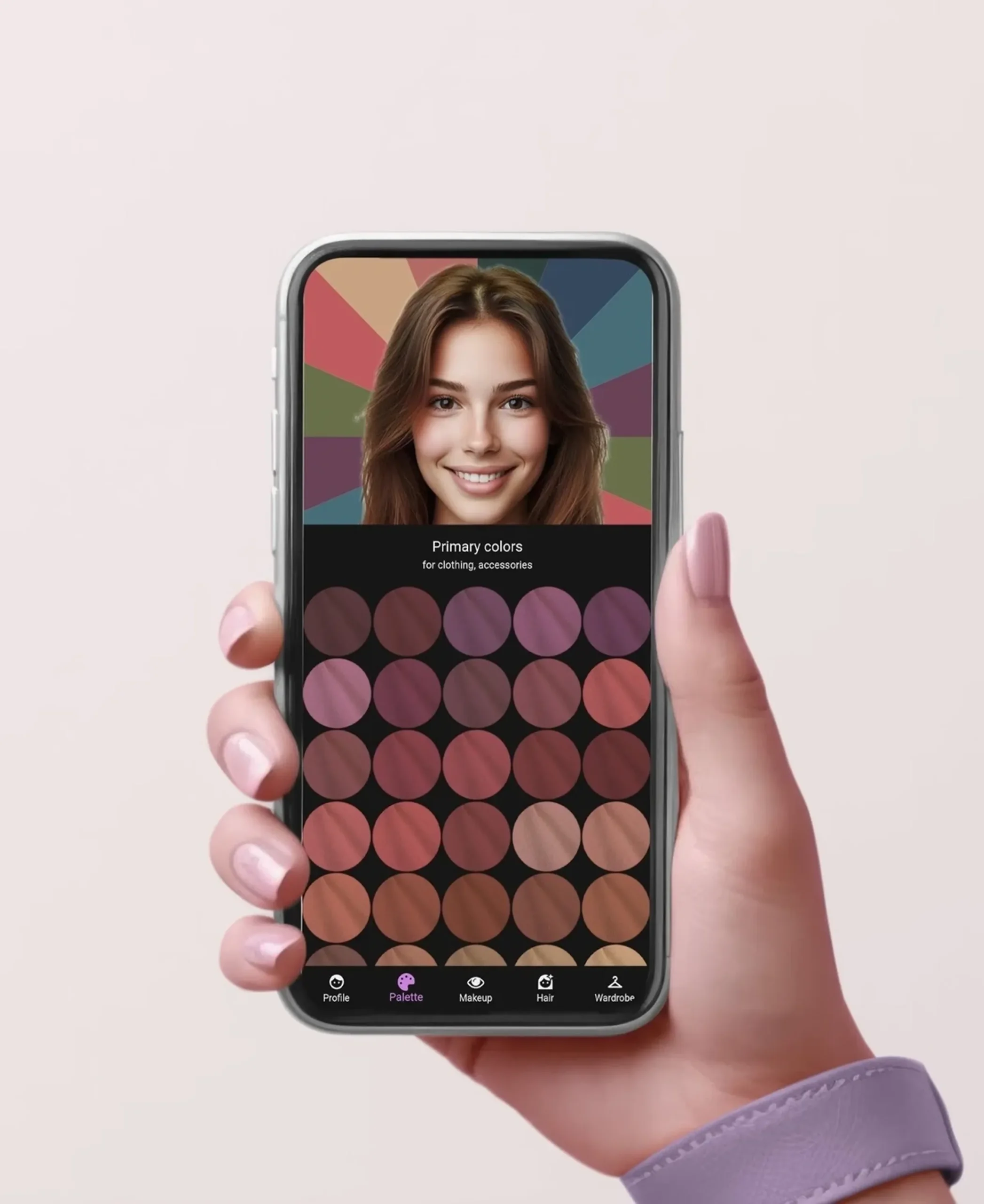
How the apps actually work
The technology behind AI color analysis isn't magic, though it might seem like it. These apps primarily use the phone’s camera to capture images of your face in different lighting conditions. The algorithms then analyze the red, green, and blue (RGB) values of your skin, eyes, and hair to determine your overall coloring.
A key part of this process is identifying your undertone – whether you lean warm, cool, or neutral. This is done by evaluating the subtle hues present in your skin. Computer vision and machine learning play a huge role here, as the algorithms are trained on vast datasets of images to recognize these patterns. The more data the AI has, the more accurate its analysis will be.
Good lighting is absolutely essential. Apps will often guide you to take photos in natural daylight, avoiding direct sunlight. Image processing techniques, like noise reduction and color correction, are also used to ensure the accuracy of the analysis. It's not about complex coding, it’s about translating the data from your face into a personalized color profile.
The main players in the market
The market for AI-powered color analysis is growing quickly, with several apps vying for attention. Color Posh is a strong contender, offering a comprehensive system that integrates color analysis with body type guides. They really focus on the whole picture, not just the colors themselves.
MyColorsPop, founded by Kate Stoltzfus, provides a detailed color analysis experience, often emphasizing the impact of color on overall appearance. House of Colour, traditionally known for in-person consultations, now offers digital color analysis tools as well. Their approach is rooted in the classic seasonal color analysis system, but they’re adapting to incorporate AI.
Each app has its strengths. Color Posh excels at providing a holistic style guide, while MyColorsPop focuses on in-depth color assessment. House of Colour brings a long-standing reputation for expertise to the digital space. The differences often lie in the specific color season systems they employ – some use a 12-season model, while others prefer an 8-season approach. It’s less about which is "right" and more about finding the system that resonates with you. They don't heavily advertise pricing, rather they focus on the analysis itself.
Moving beyond seasonal categories
The future of AI color analysis isn't just about assigning you to a 'Spring' or 'Winter' category. We’re seeing a shift towards creating highly personalized color palettes tailored to your individual characteristics. This is a significant improvement over traditional systems, which can sometimes feel too restrictive.
Apps are now factoring in more variables than ever before, including the specific nuances of your skin tone, eye color, and hair color. This leads to palettes that are far more accurate and flattering. What’s particularly exciting is the integration of body type analysis – something Color Posh does exceptionally well – with color analysis. Understanding your body shape allows you to choose colors and silhouettes that create a balanced and harmonious look.
This personalization addresses the limitations of traditional systems, which often treat everyone within a season as the same. AI has the potential to adapt your palette over time, too. If you change your hair color or experiment with makeup, the app can adjust your recommendations accordingly. I believe this adaptability is key to long-term style success.
- Unique color selections based on your specific skin data rather than a generic season.
- Analysis that accounts for body shape to help you place those colors effectively.
- Palettes that update if you dye your hair or get a tan.
Managing your closet with AI
AI color analysis doesn’t stop at identifying your best colors—it’s also transforming how we interact with our existing wardrobes. Many apps now include digital closet features, allowing you to upload photos of your clothing.
The app can then analyze your wardrobe and suggest outfits based on your color palette. It can also identify gaps in your wardrobe and recommend items that will complement your existing style. This is incredibly helpful for minimizing impulse purchases and maximizing the versatility of your clothes. It’s like having a personal stylist in your pocket.
AI can also suggest color combinations you might not have considered. It can push you outside of your comfort zone and help you experiment with new looks. The benefit is a more cohesive and stylish wardrobe, built around a foundation of colors that truly flatter you.
What's coming by 2026
By 2026, I anticipate that AI color analysis will become even more sophisticated. We'll likely see increased integration of augmented reality (AR) for virtual try-on experiences, allowing you to see how different colors look on you in real-time. Imagine being able to 'try on' an entire outfit with a single tap.
AI-powered personal shopping assistants will also become more prevalent, curating wardrobes based on your color palette, body type, and personal preferences. These assistants could even analyze social media trends and suggest colors that are currently popular, helping you stay on top of the latest styles.
Current apps still struggle with shadows and low-quality front-facing cameras. A human stylist can still spot nuances an algorithm might miss if your lighting is slightly yellow. There is also the question of where your face data goes once you upload it. Most of these companies are vague about whether they sell your biometric data to third-party retailers.
Color & Body Type Recommendations
| Body Type | Color Family | Silhouette Recommendations | Color Recommendations |
|---|---|---|---|
| Rectangle | Warm | Structured pieces, tailored jackets, and defined waists can create the illusion of curves. | Earthy tones like olive green, rust, and mustard yellow; warm neutrals such as camel and chocolate brown. |
| Pear | Warm | A-line skirts and dresses, fitted tops that draw attention upwards, and structured shoulders balance proportions. | Terracotta, coral, peach, and warm reds; avoid overly bright colors that emphasize the lower body. |
| Apple | Cool | Empire waistlines, flowing fabrics, and wrap dresses create a flattering silhouette. Focus on drawing attention to the legs and neckline. | Jewel tones like sapphire blue, emerald green, and amethyst purple; cool-toned grays and blues. |
| Hourglass | Neutral | Wrap dresses, belted styles, and fitted clothing accentuate the waist and balanced proportions. | Soft neutrals like beige, taupe, and gray; muted shades of blush pink and lavender. |
| Inverted Triangle | Cool | Full skirts, A-line dresses, and styles that add volume to the lower body balance broader shoulders. | Cool blues, grays, and purples; avoid overly bright or bold colors on the upper body. |
| Rectangle | Cool | Adding layers and texture can create visual interest. Experiment with ruffles, pleats, and interesting necklines. | Cool grays, blues, and purples; icy pastels and silver tones. |
| Pear | Neutral | Focus on creating a balanced silhouette with well-fitted garments. Darker colors on the bottom and lighter colors on top can be effective. | Soft grays, beige, and taupe; muted greens and blues. |
| Apple | Warm | Flowing fabrics and empire waistlines are flattering. Draw attention to the neckline and legs. | Warm browns, oranges, and yellows; avoid overly restrictive clothing. |
Illustrative comparison based on the article research brief. Verify current pricing, limits, and product details in the official docs before relying on it.

No comments yet. Be the first to share your thoughts!