

The shift to digital color
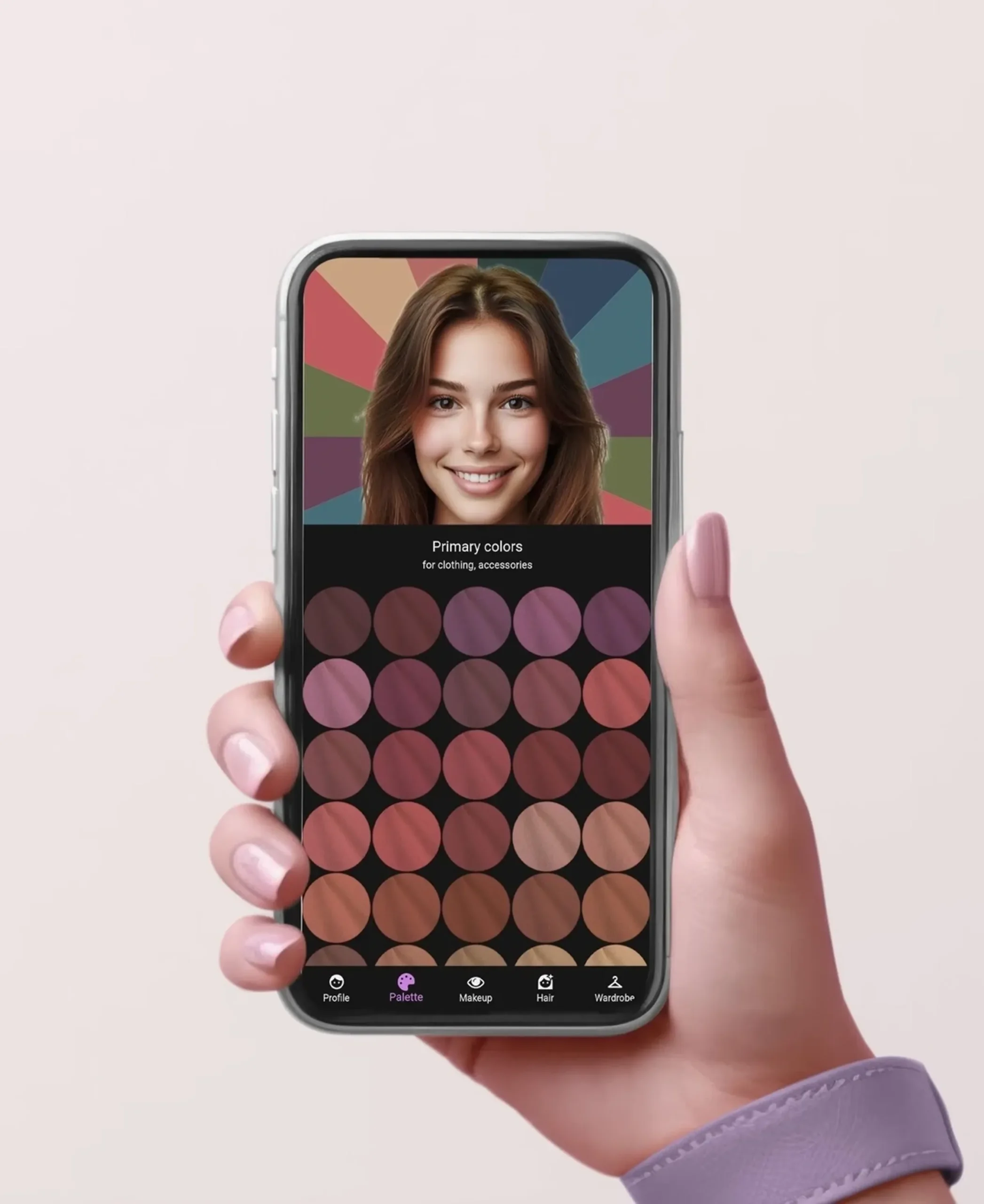
Seasonal color analysis used to feel like a secret society. You were a Spring or a Winter based on a stylist's subjective eye, and that was that. Tonal analysis added some depth, but it still required a pro. AI tools are changing this by putting the analysis directly into your phone.
These apps and platforms aren't simply digitizing old methods; they're fundamentally changing how color analysis is done. They use sophisticated algorithms to analyze your coloring with a level of detail previously unattainable without expensive professional consultations. The promise is a more precise and personalized color palette, accessible to anyone with a smartphone.
The best part is the price. A pro session costs hundreds of dollars, but most apps are either free or cost less than a lunch. It isn't magic—if you take a photo in a dark room with heavy makeup, the algorithm will fail—but it makes high-end styling accessible to everyone.
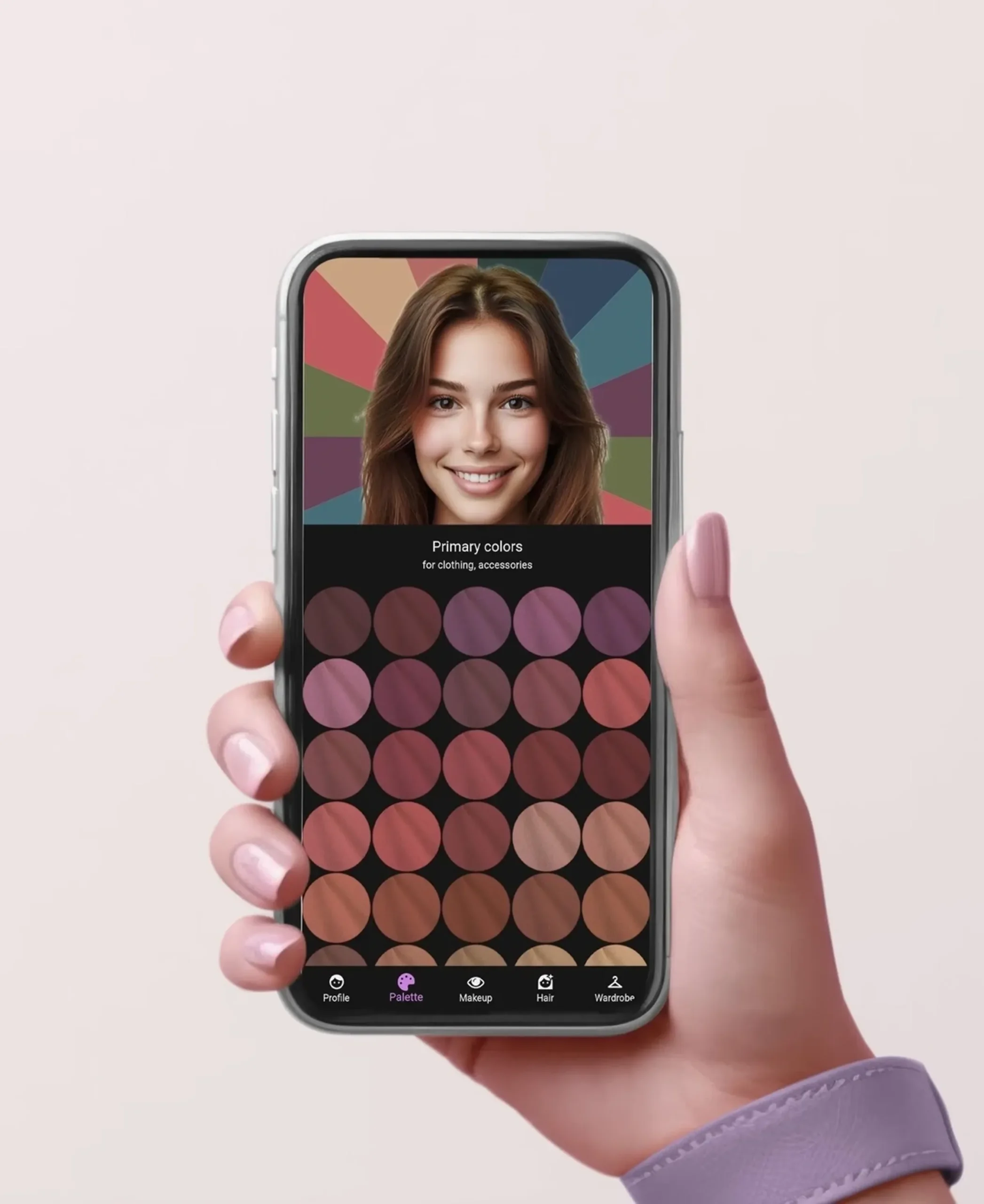
Moving past the four seasons
The traditional four-season system, while a useful starting point, always felt limiting. It couldn’t capture the subtle variations in undertones and contrast levels that make each person unique. AI excels at recognizing these nuances. Instead of forcing everyone into a broad category, these tools can analyze a much wider range of color characteristics, including depth, chroma, and warmth.
This has led to the adoption of more granular systems, like the 12-tone seasonal system, and even more individualized palettes. Kate Stoltzfus, founder of MyColorsPop, is a strong advocate for moving beyond the basic seasons. Her work emphasizes the importance of understanding your specific coloring, rather than fitting into a pre-defined box. She’s built an entire business around this more detailed approach.
AI isn’t just about adding more seasons. It's about creating a personalized color story. An algorithm can identify, for example, that you have a 'soft autumn' base but with enough contrast to handle slightly bolder colors than a typical soft autumn palette would suggest. This level of customization is a significant leap forward from traditional methods. It's a move toward celebrating individual coloring, not categorizing it.
What these apps actually do
So, what can you actually do with these AI-powered color analysis apps? Most begin with a camera-based analysis. You’ll be asked to upload a clear, well-lit photo of your face, ideally with natural light and minimal makeup. The app then analyzes your skin tone, hair color, and eye color to determine your color palette.
Many apps go beyond just identifying your palette. They offer virtual try-on tools, allowing you to see how different colors look on you without actually having to buy them. Some integrate with online retailers, making it easy to shop for clothes in your recommended colors. Wardrobe recommendations are also common, suggesting outfits based on your palette and personal style.
Image quality is the biggest hurdle. When I tested these, my results changed every time the lighting shifted. These algorithms are still learning, so I wouldn't treat them as gospel yet. Some apps now let you pull colors from photos of clothes you already own, which helps when you're trying to see if a new shirt actually matches your closet.
A more advanced feature, appearing in newer apps, is the ability to analyze different lighting conditions. Indoor versus outdoor lighting can dramatically alter how your coloring appears, and some apps attempt to account for this. This is a welcome addition, as it addresses a common criticism of simpler color analysis tools.
Matching color to your frame
The real potential lies in combining color analysis with body type analysis. It’s not enough to know what colors suit you; you also need to know how to wear them to flatter your physique. Different color palettes can accentuate or minimize certain features based on body shape. For example, a high-contrast palette might be striking on an hourglass figure, while a softer palette could be more harmonious on a pear shape.
Color Posh has long been a resource for body type guides, offering advice on dressing for different shapes like rectangle, pear, and apple. AI is starting to integrate this kind of information into the color analysis process, providing more holistic style recommendations. This is particularly relevant for Gen Alpha, who are growing up in a visually-driven world and are highly attuned to trends.
Consider a rectangle body type. A color palette with strategic color blocking can create the illusion of curves, while a monochromatic outfit might emphasize the straight lines of the figure. Similarly, for an apple shape, using color to draw attention upwards can balance the proportions. The interplay between color and shape is a powerful styling tool, and AI is beginning to unlock that potential.
Where algorithms fall short
I'm still skeptical about total accuracy. Human skin has layers of depth that a 2D phone sensor struggles to capture. I see these apps as a starting point for experimentation rather than a final verdict on what you should wear.
This is where the human element comes in. Companies like House of Colour USA emphasize the importance of a trained stylist’s input. Their approach involves a live analysis, taking into account not just your coloring but also your personal preferences and lifestyle. This level of personalization is difficult for an AI to replicate.
The contrast between House of Colour’s approach and app-based solutions is stark. House of Colour offers a comprehensive, in-person experience, while apps offer convenience and affordability. There’s a trade-off. I’m not convinced AI can fully replace a skilled stylist, but it can be a valuable tool for self-discovery and experimentation. It can help you narrow down your options and identify colors that are likely to work for you, but a final assessment should ideally involve a human eye.
Apps worth trying
There are a growing number of AI-powered color analysis apps available, each with its own strengths and weaknesses. Here's a look at a few that stand out.
ColorWise: This app focuses on simplicity and ease of use. It offers a quick and straightforward color analysis, with clear recommendations and a user-friendly interface. It's a good option for beginners who want a basic understanding of their color palette. Its strength lies in its accessibility, but it lacks the advanced features of some other apps.
MyColorsPop: As mentioned earlier, MyColorsPop, spearheaded by Kate Stoltzfus, takes a more nuanced approach. It offers a detailed analysis and emphasizes the importance of understanding your specific undertones and contrast levels. It’s a great choice for those who want a deeper dive into color theory. It's a bit more involved than ColorWise, but the results are often more accurate and personalized.
The Concept Wardrobe: This app combines color analysis with style advice. It not only identifies your color season but also provides recommendations for clothing styles and outfit ideas. It’s a good all-in-one solution for those who want a complete style overhaul. A feature that stands out is their focus on creating a functional wardrobe based on your color palette. It's a strong contender for those seeking a comprehensive approach.
AI-Powered Color Analysis Apps: A Comparative Overview (2026)
| App Name | Key Features | Best For | Price Point | User Friendliness (1-5) |
|---|---|---|---|---|
| Color Posh | Personalized color palette generation, seasonal wardrobe suggestions, body type guides, celebrity style inspiration. | Individuals seeking a comprehensive style overhaul based on color theory and body shape. | Information not publicly available; likely offers tiered options based on service depth. | 4 |
| MyColorsPop (Lancaster Analysis) | Focuses on the Lancaster Color Analysis system, providing detailed seasonal color information. | Users specifically interested in the Lancaster system and a deeper understanding of their coloring. | Information not publicly available; likely subscription-based or per-analysis fee. | 3 |
| Stylebook | Virtual closet organization, outfit planning, color palette extraction from images. | Users who want to digitize their existing wardrobe and explore color combinations. | Offers in-app purchases for additional features; base app is free. | 4 |
| HueSnap | Color palette generation from photos, outfit recommendations based on color harmony. | Individuals looking for quick color inspiration and outfit ideas from their surroundings. | Offers a free version with limited features; premium subscription available. | 5 |
| Project Color | AI-powered color analysis via photo upload, personalized style recommendations. | Users seeking a quick and accessible color analysis without in-person consultation. | Information not publicly available; likely offers various subscription tiers. | 3 |
| Cladwell | Minimalist wardrobe planning, outfit suggestions based on weather and occasion, color coordination assistance. | Users focused on building a capsule wardrobe and maximizing outfit versatility. | Subscription-based service with varying tiers. | 4 |
Illustrative comparison based on the article research brief. Verify current pricing, limits, and product details in the official docs before relying on it.
No comments yet. Be the first to share your thoughts!