

The math of sustainable color
Sustainable fashion is a necessity. The Textile Exchange predicts the sustainable textile market will grow 15% annually through 2026 as people demand better ethics from the brands they buy.
But sustainability extends beyond materials and production processes. It includes how we use our clothes. The colors we choose play a surprisingly large role. Dyes are often chemically intensive, and fast fashion’s reliance on trendy, quickly-discarded colors fuels a cycle of waste. A well-considered color palette, however, can create a wardrobe that feels fresh for years.
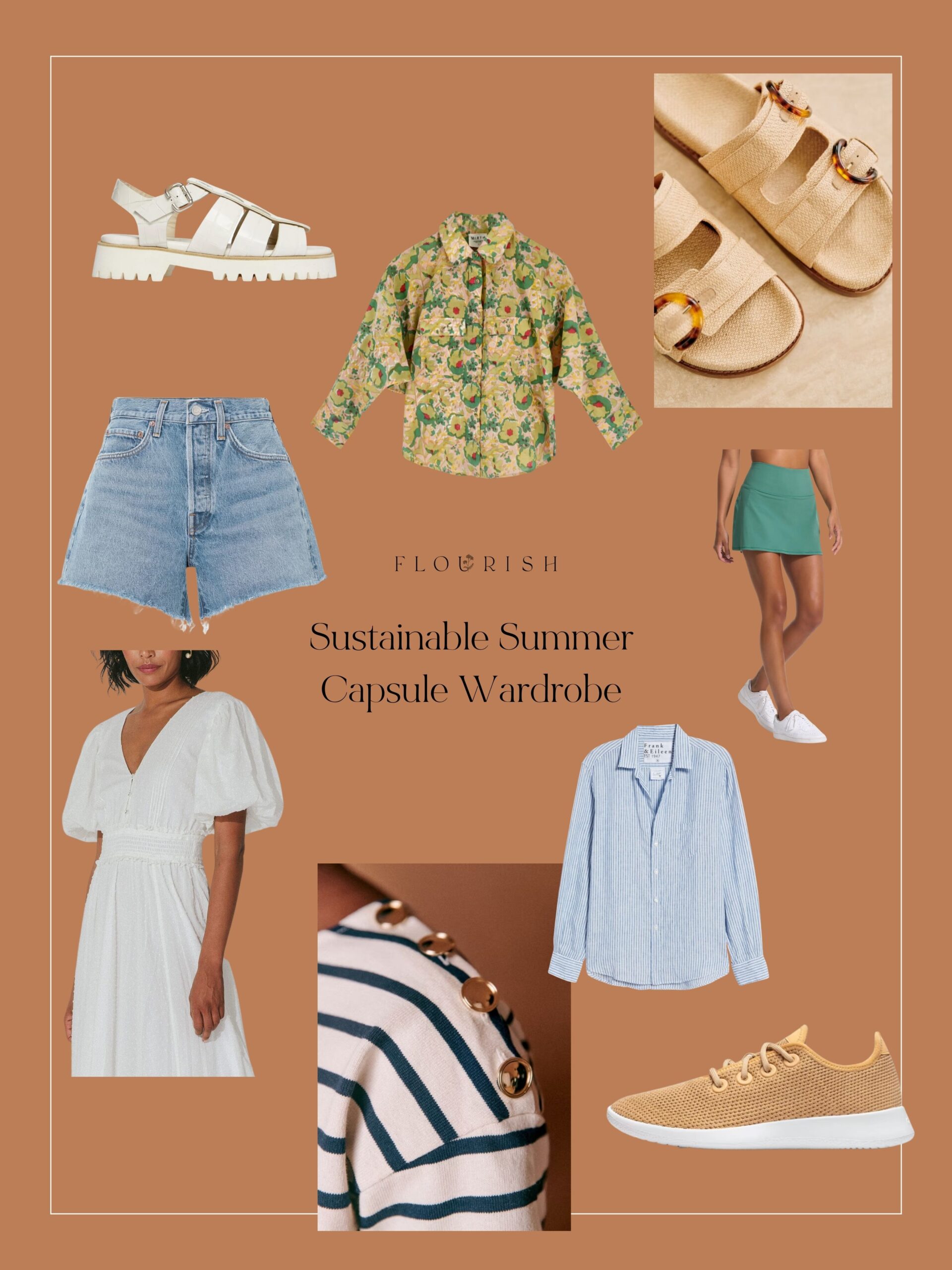
Choosing colors that truly suit you—and that work well together—means you’re less likely to tire of your clothes or feel the need to constantly update them with the latest fleeting styles. This directly reduces textile waste. It’s about investing in pieces you’ll love and wear repeatedly, minimizing your environmental impact. A thoughtful approach to clothing color coordination is a powerful step towards a more sustainable lifestyle.
Finding your seasonal palette
Understanding your personal color season is the foundation of a harmonious and sustainable wardrobe. The system divides individuals into four main categories: Spring, Summer, Autumn, and Winter. These aren't about matching your skin tone literally, but about identifying the overall undertone – the subtle hue beneath the surface.
Determining your season requires looking beyond obvious color matching. Is your skin warm or cool? Warm undertones tend to have golden, yellow, or peach hues, while cool undertones lean towards pink, red, or blue. Is your coloring light, deep, or somewhere in between? Spring and Summer individuals generally have lighter coloring, while Autumn and Winter individuals have more depth. It’s a nuanced process, and it’s not always easy to self-diagnose.
I often advise clients against relying solely on online quizzes, which can be inaccurate. They frequently oversimplify the process. A professional color analysis, while an investment, provides a precise and personalized assessment. It’s well worth considering if you’re serious about building a wardrobe that truly flatters you. Even without professional help, observe how different colors make you feel – which ones brighten your complexion and which ones wash you out?
Seasons aren't rigid. Most people fall on a spectrum between categories. Don't worry about a perfect fit; just look for shades that don't wash you out.
Matching color to your silhouette
Color isn’t just about skin tone; it’s about how it interacts with your body shape. Different colors can visually alter proportions, creating balance and a more flattering silhouette. It's not about 'rules' as much as it is understanding how the eye perceives color and form.
For example, those with a Pear shape (wider hips and thighs) can benefit from darker colors on the lower body to visually slim that area. Conversely, brighter colors or details on the upper body can draw attention upwards, balancing the overall look. An Apple shape (carrying weight around the midsection) might find that monochromatic outfits in deeper shades create a lengthening effect.
Rectangle shapes, lacking defined curves, can introduce volume and shape with strategically placed brighter colors or patterns. Inverted Triangle shapes (broader shoulders, narrower hips) can balance their silhouette by wearing darker colors on top and lighter colors on the bottom. However, these are starting points; personal preference and comfort are paramount. The goal isn’t to "fix" your body shape, but to enhance your natural features.
I’ve found that many people underestimate the power of color blocking. Using contrasting colors strategically can create visual interest and define your waistline, regardless of your body type. The key is to experiment and find what feels most comfortable and confident.
- Hourglass shapes can use color blocking to highlight the waist.
- Pear: Darker bottoms, brighter tops.
- Apple: Monochromatic outfits in deeper shades.
- Rectangle: Use color and pattern to create curves.
- Inverted Triangle: Darker tops, lighter bottoms.
Discover Your Body Type for a Sustainable Style
Building a capsule wardrobe that truly flatters you starts with understanding your body shape. This isn't about conforming to ideals, but about dressing in harmony with your natural proportions. This quiz will help you identify your dominant body type, allowing us to guide you towards the most flattering color palettes and sustainable style choices. Remember, most people are a blend, but we'll pinpoint your primary shape.
The Eco-Capsule: Core Colors & Neutrals
Building an eco-capsule wardrobe starts with a foundation of versatile core colors and neutrals. These are the workhorses of your closet – the pieces you can mix and match endlessly. Think navy, gray, beige, cream, and black. Investing in high-quality, sustainably produced versions of these staples is crucial.
Stick to organic cotton, linen, and Tencel. These use less water and fewer chemicals than polyester or conventional cotton. Brands like Eileen Fisher and Patagonia already use these, often backed by GOTS or OEKO-TEX certifications.
For Spring individuals, a soft, warm beige or cream is an excellent neutral, paired with muted greens and corals. Summer individuals thrive in cool grays and blues. Autumns look stunning in earthy browns, rusts, and olive greens. Winters can rock classic black and white with jewel tones. These color recommendations aren’t strict rules, but rather a starting point for building a harmonious palette.
Sustainable dye processes are also essential. Natural dyes, derived from plants and minerals, are a more eco-friendly alternative to synthetic dyes. However, they can be less colorfast, so proper care is important. Brands are also exploring innovative dyeing techniques that use less water and energy. It's worth researching the dye processes used by the brands you support.
Adding personality without the waste
Accent colors are where you can inject personality into your eco-capsule wardrobe. They’re the pops of color that add interest and make your outfits feel unique. However, it’s easy to fall into the trap of fast fashion trends, constantly chasing the latest "it" color.
The '3 Color Rule', as demonstrated on YouTube, suggests limiting your outfit to three colors for a cohesive look. This is a great guideline for incorporating accent colors without overwhelming your outfit. Think of your core neutrals as the base, and your accent colors as the highlights. Accessories – scarves, belts, jewelry – are a fantastic way to introduce pops of color without investing in entire garments.
Prioritize quality over quantity when it comes to accent pieces. A beautifully crafted silk scarf in a vibrant hue will elevate your outfit far more than several cheaply made trendy accessories. Choose colors that complement your season and body type, ensuring they enhance your overall look. Don't be afraid to experiment, but always consider the longevity of your choices.
- Scarves
- Belts
- Jewelry
- Hats
- Shoes
Ethical Accessory Brands
- ABLE - Specializing in leather goods like belts and bags, ABLE focuses on employing women who have overcome extraordinary circumstances, providing fair wages and safe working conditions. Price range: $50 - $300.
- BAM Bamboo Clothing - While known for activewear, BAM offers a selection of bamboo socks and scarves in various colors. Bamboo is a highly sustainable resource, and BAM is committed to ethical production. Price range: $15 - $80.
- VEJA - A popular choice for sustainable sneakers, VEJA uses organic cotton, wild rubber from the Amazon rainforest, and recycled materials. They offer a range of styles and colors. Price range: $150 - $200.
- People Tree - A pioneer in fair trade fashion, People Tree offers a wide range of accessories including scarves, bags, and jewelry, often featuring vibrant colors and handcrafted designs. Price range: $30 - $150.
- Pact - Primarily known for organic cotton basics, Pact also carries a selection of socks, hats, and scarves in neutral and earthy tones. They prioritize organic farming and fair labor practices. Price range: $10 - $60.
- Matt & Nat - Specializing in vegan leather goods, Matt & Nat creates stylish backpacks, wallets, and belts. Their linings are made from recycled plastic bottles. Price range: $80 - $250.
- Allbirds - While famous for shoes, Allbirds also offers socks made from sustainable materials like merino wool and tree fiber. They focus on carbon neutrality and responsible sourcing. Price range: $20 - $40.
Color Wheel Strategies for 2026
Understanding basic color theory is invaluable for building a versatile capsule wardrobe. Complementary colors (opposite each other on the color wheel, like blue and orange) create a vibrant contrast. Analogous colors (adjacent to each other, like blue, blue-green, and green) offer a harmonious and soothing effect. Triadic colors (equally spaced on the color wheel, like red, yellow, and blue) create a bold and playful look.
According to Pinterest trends, earthy tones and muted pastels are gaining popularity for 2026. Think terracotta, sage green, dusty rose, and lavender. These colors align well with the growing demand for natural and calming aesthetics. Incorporating these trends sustainably means choosing pieces made from eco-friendly materials in these hues, rather than chasing fleeting fast fashion iterations.
MasterClass emphasizes the importance of using accessories to tie your outfit together, especially when experimenting with bolder color combinations. A neutral bag or pair of shoes can ground a vibrant outfit, while a pop of color in your jewelry can add a touch of personality. The key is to create a balanced and cohesive look that feels authentic to your style.
Ultimately, the most sustainable approach to color is to choose colors you love and will wear for years to come. Don’t be afraid to break the "rules" and experiment with different combinations. A well-curated color palette is the cornerstone of a timeless and eco-friendly wardrobe.




No comments yet. Be the first to share your thoughts!