

The AI Color Revolution
Color analysis is undergoing a significant transformation. For decades, it’s been a process involving fabric draping, careful observation, and a trained eye to determine which colors harmonize best with an individual’s skin tone, hair, and eyes. Now, artificial intelligence is poised to democratize this traditionally exclusive service. The promise is simple: accessible, affordable, and rapid personalized color advice.
At its core, color analysis hinges on understanding the interplay between your natural coloring and the colors you wear. The classic system categorizes individuals into "seasons" – Spring, Summer, Autumn, and Winter – based on their undertones and overall color contrast. Determining your season dictates a palette of colors that will make you look radiant and healthy, while colors outside that palette might wash you out. It sounds straightforward, but the subjective nature of visual assessment meant access was limited and results could vary.
Many people have found traditional color analysis intimidating, even unattainable. A professional consultation can easily run upwards of $200-$400, and finding a qualified stylist isn’t always easy. AI-powered apps are changing that. They aim to provide a similar level of insight, but at a fraction of the cost and with the convenience of your smartphone. This isn't about replacing stylists entirely, but expanding access to a tool that can empower people to make more informed choices about their wardrobes.
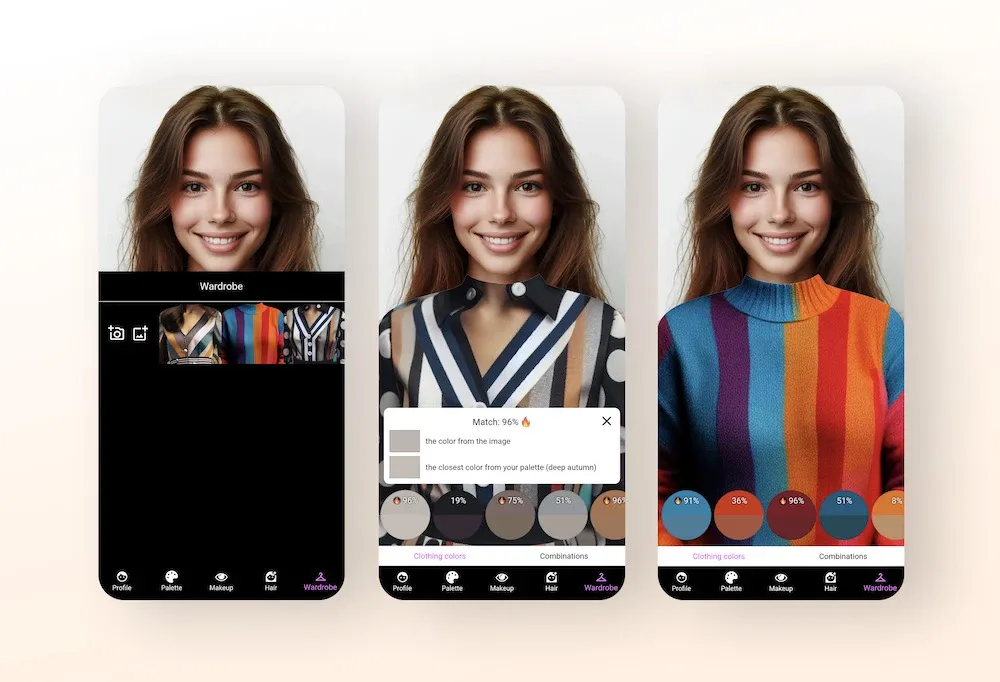
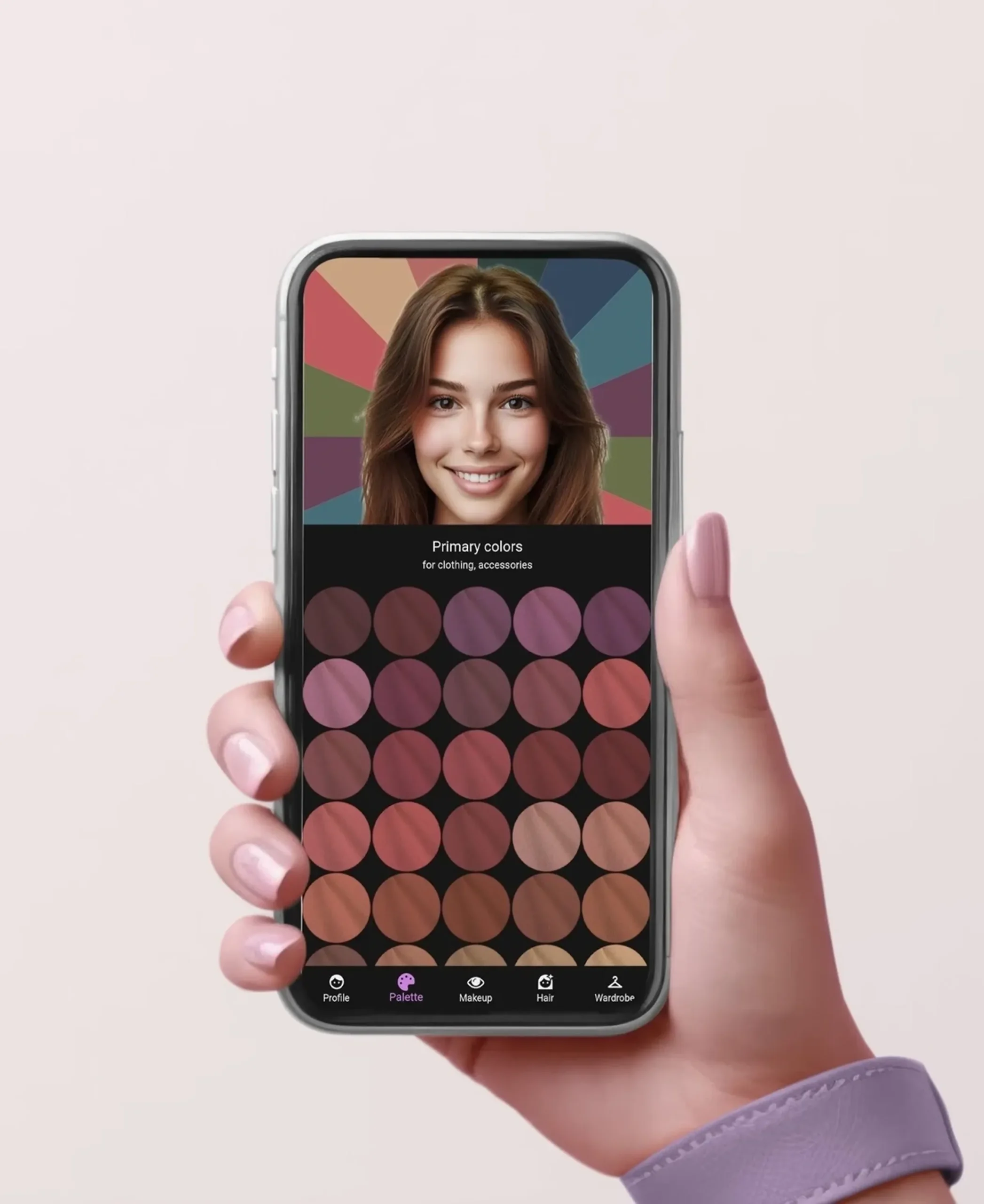
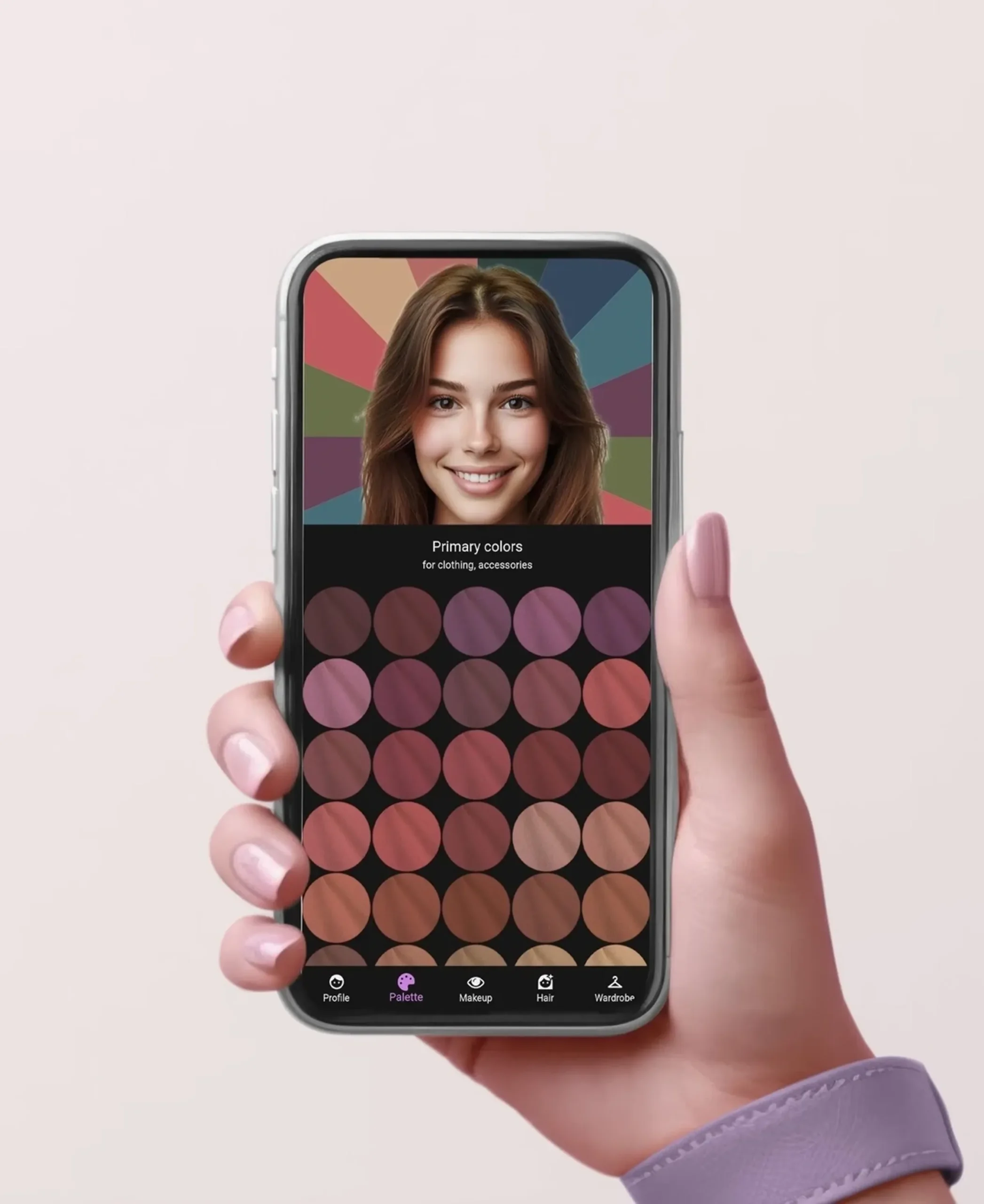
These apps utilize your phone’s camera to analyze your skin tone, identifying your undertones and suggesting a personalized color palette. While the technology is still evolving, the speed and affordability are already attracting a wide audience. The shift is happening quickly, and 2026 is shaping up to be a pivotal year for AI-driven personal style.
Decoding Your Undertone: AI's New Accuracy
The foundation of any color analysis is accurately determining your undertone. Traditionally, this involved observing how your skin reacts to different metals (gold vs. silver) or assessing the color of your veins. These methods, while effective, are prone to human error and subjective interpretation. AI is aiming to remove that subjectivity by analyzing skin color data with greater precision.
AI algorithms are trained on vast datasets of skin tones, categorized by undertone. They analyze the subtle variations in color that are often invisible to the naked eye. This allows them to identify whether your undertone is warm (golden, yellow), cool (pink, blue), or neutral. Kate Stoltzfus of MyColorsPop emphasizes the power of this detailed analysis, moving beyond simple categorization to pinpoint nuanced undertones.
However, it's not a perfect system. Lighting conditions remain a significant challenge. Natural daylight is ideal for accurate analysis, but indoor lighting can skew results. Some algorithms also struggle with diverse skin tones, particularly those with strong pigmentation or complex undertones. I'm not sure how well current apps handle hyperpigmentation or the impact of tattoos on color readings.
Despite these limitations, AI is showing promise in improving undertone detection. The ability to analyze skin in greater detail, coupled with ongoing algorithm refinement, is leading to more accurate and reliable results. The future likely holds algorithms that can compensate for lighting variations and better accommodate a wider range of skin tones.
- Warm: Golden, yellow, or peach undertones.
- Cool: Pink, red, or blue undertones.
- Neutral: A balance of warm and cool undertones.
Quick Undertone Check: A First Step to Your Perfect Palette
Determining your skin's undertone is the foundation of color analysis. While AI-powered apps are now offering incredibly precise assessments, this quick quiz can give you a preliminary idea of whether you lean cool, warm, neutral, or olive. Remember, this is just a starting point – for truly personalized results, exploring the latest apps discussed in our article is highly recommended!
Seasonal Shifts: 2026 Color Palette Predictions
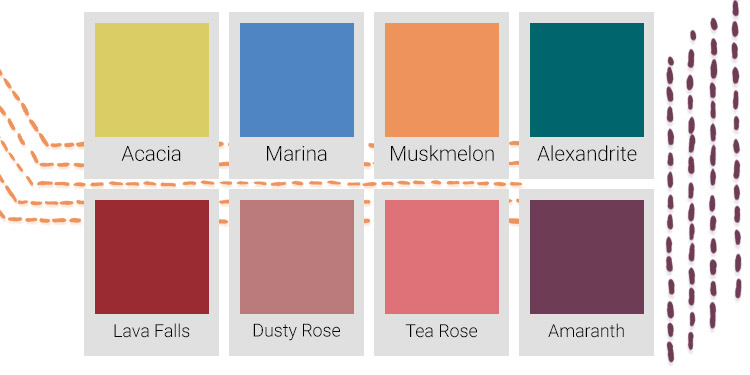
Forecasting fashion trends is a complex undertaking, but reports from leading authorities like Pantone and WGSN suggest a move towards grounding, natural tones for 2026, alongside pops of optimistic, digitally-inspired hues. We’re seeing a move away from the hyper-saturated brights of recent years and towards colors that evoke a sense of calm and connection to the environment. Think muted greens, earthy browns, and soft blues.
Connecting these trends to the traditional seasonal color analysis system, we can anticipate that Autumn and Winter palettes will be particularly relevant. Autumns will thrive in the earthy tones, while Winters will be able to pull off the deeper, more saturated shades. However, even Spring and Summer types can incorporate these trends by selecting variations of these colors that complement their lighter coloring.
Pantone’s color of the year selections often influence broader fashion trends. For example, their 2024 choice, Peach Fuzz, signaled a wider embrace of softer, warmer tones. This trend is likely to continue into 2026, with variations of peach, apricot, and coral appearing in collections. WGSN predicts a rise in 'Digital Lavender' and other tech-inspired colors, offering a counterpoint to the natural tones.
AI apps can play a crucial role in helping users navigate these shifting palettes. By analyzing your coloring, these apps can suggest specific shades within the broader trends that will look best on you. They can also offer outfit recommendations and help you build a wardrobe that reflects both your personal style and the latest fashion trends. It’s important to remember though, that trends are cyclical and personal preference should always be a primary consideration.
Body Type & Color: A Holistic Approach
Color analysis doesn't exist in a vacuum. It’s most effective when considered alongside body type and proportions. Color can be a powerful tool for creating illusions of shape and balance. As Color Posh’s body type guides illustrate, understanding your body shape – whether it’s Rectangle, Pear, or Apple – is crucial for making flattering fashion choices.
Darker colors generally have a receding effect, making areas appear smaller. This can be beneficial for individuals who want to minimize certain body parts. Conversely, brighter colors and patterns attract attention, so they can be used to highlight your best features. For example, a Pear shape might benefit from a darker bottom and a brighter top to balance proportions.
Vertical stripes elongate the body, while horizontal stripes can widen it. Strategic use of color blocking can also create a slimming or balancing effect. These principles apply regardless of your seasonal color palette. The key is to choose colors that both complement your skin tone and enhance your body shape.
While currently most AI apps focus solely on color analysis, the integration of body shape analysis is a logical next step. Imagine an app that not only tells you which colors to wear but also suggests silhouettes and styles that will flatter your figure. This holistic approach would represent a significant advancement in AI-powered style tools.
Color Family Recommendations by Body Type (Based on 2026 Trends)
| Body Type | Warm Color Families | Cool Color Families | Neutral Color Families |
|---|---|---|---|
| Rectangle | Flattering | Neutral | Flattering |
| Pear | Flattering | Flattering | Neutral |
| Apple | Neutral | Flattering | Flattering |
| Hourglass | Flattering | Flattering | Neutral |
| Inverted Triangle | Neutral | Flattering | Flattering |
Illustrative comparison based on the article research brief. Verify current pricing, limits, and product details in the official docs before relying on it.
App Deep Dive: Current Leaders & Features
The market for AI-powered color analysis apps is rapidly expanding. Several players are vying for dominance, each offering a unique set of features. MyColorsPop, founded by Kate Stoltzfus, stands out for its emphasis on detailed undertone analysis and personalized recommendations. The app offers a subscription model starting at $19.99 per month, giving access to unlimited color analyses and style advice.
House of Colour USA also has an app, though it primarily functions as a gateway to their in-person consultations. It offers a basic color analysis feature, but the real value lies in connecting users with certified stylists. This hybrid approach appeals to those who want the convenience of AI combined with the expertise of a human consultant.
Other apps, like The Concept Wardrobe, focus on providing a comprehensive guide to color seasons and offering personalized wardrobe suggestions. Their quiz-based analysis is a good starting point for beginners, but the depth of analysis may not be as nuanced as MyColorsPop. They offer a one-time purchase option for their full color analysis report for $69.
Comparing these apps, MyColorsPop currently leads in terms of AI-powered accuracy and the breadth of its features. However, all three apps share some common limitations. Virtual try-on capabilities are still relatively basic, and integration with shopping platforms is often limited. The accuracy of the analysis can also be affected by lighting conditions and the quality of the camera.
It's important to note that these apps are constantly evolving. Developers are actively working to improve the accuracy of their algorithms, expand their feature sets, and integrate with more retailers. The competition is driving innovation, and we can expect to see even more sophisticated AI-powered style tools emerge in the coming years. Focus on what these apps do now, rather than relying on marketing promises.
User Experiences with AI-Powered Color Analysis Apps (Early 2026)
| App Name | User Sentiment | Key Feedback | Reported Accuracy |
|---|---|---|---|
| Hue AI | Positive | User found the suggested palettes surprisingly accurate and helpful for understanding which colors truly flattered their skin tone. App provided detailed explanations for *why* certain colors worked. | Generally high, with user noting a strong match to professional analysis (self-reported). |
| ColorWise | Mixed | Enjoyed the virtual try-on feature, but felt the app struggled with nuanced undertones. Some color suggestions felt generic. | Variable; user reported success with basic seasonal color analysis, but less accuracy with more complex systems. |
| StyleScan | Negative | User experienced difficulties with the app's photo requirements – poor lighting led to inaccurate results. Found the interface confusing. | Low; user stated the results were significantly different from a professional color analysis. |
| ChromaMatch | Positive | App's integration with online retailers was a major plus, allowing for immediate shopping based on the color palette. Found the 'color story' feature inspiring. | Moderate to High; user appreciated the ability to visualize outfits based on the suggested palette. |
| VividHue | Neutral | The app provided a color season, but the explanation felt superficial. User wished for more detailed guidance on how to incorporate the colors into their wardrobe. | Moderate; user felt the season assignment was reasonable, but lacked depth. |
| Color Posh (Beta) | Positive | Early beta testers appreciated the integration of body type analysis alongside color analysis, offering a more holistic style guide. Initial feedback focused on ease of use. | Preliminary data suggests good correlation with Color Posh's established seasonal wardrobe guides. |
Illustrative comparison based on the article research brief. Verify current pricing, limits, and product details in the official docs before relying on it.
Beyond the Algorithm: Personal Style & Nuance
AI is a powerful tool, but it’s not a substitute for personal style. An algorithm can tell you which colors will theoretically look good on you, but it can’t account for your individual preferences, lifestyle, or cultural context. It's easy to get caught up in the "rules" of color analysis and forget to have fun with fashion.
Your personal style is an expression of your unique personality. It’s influenced by your experiences, your values, and your creative vision. Don’t be afraid to experiment with colors and styles that you love, even if they don’t perfectly align with your AI-generated palette. Use the recommendations as a starting point, then customize them to reflect your individuality.
Consider your lifestyle when making wardrobe choices. A professional who works in a conservative environment will have different needs than a creative who works from home. Your clothing should be appropriate for your setting and reflect your personal brand. Don’t sacrifice comfort or practicality for the sake of adhering to a strict color scheme.
Ultimately, the goal of color analysis is to help you feel confident and empowered in your clothing. AI can provide valuable insights, but the final decision is always yours. Embrace your individuality, experiment with different styles, and wear what makes you feel good.
- Consider your lifestyle: Choose colors and styles appropriate for your daily activities.
- Embrace your preferences: Don't be afraid to experiment with colors you love.
- Focus on confidence: Wear what makes you feel good about yourself.
The Future of AI & Wardrobe Styling
The future of AI in wardrobe styling is brimming with possibilities. We can anticipate the development of virtual stylists that offer personalized advice based on your coloring, body type, and lifestyle. These virtual stylists could curate outfits for specific occasions, suggest new pieces to add to your wardrobe, and even provide feedback on your existing clothes.
Personalized shopping experiences will become increasingly sophisticated. AI algorithms will be able to analyze your style preferences and recommend items from a wide range of retailers. Virtual try-on technology will become more realistic, allowing you to see how clothes will look on you before you buy them. AI-driven wardrobe management tools will help you organize your clothes, track your outfits, and plan your looks.
However, the use of AI in fashion also raises ethical considerations. Data privacy is a major concern, as these apps collect personal information about your appearance and shopping habits. Algorithmic bias is another potential issue, as AI algorithms can perpetuate existing stereotypes and inequalities. It’s crucial that developers address these concerns and ensure that AI is used responsibly.
I'm curious to see if AI will eventually be able to predict fashion trends before they happen. By analyzing social media data, runway shows, and consumer behavior, AI algorithms could identify emerging trends and help designers create collections that resonate with consumers. This could lead to a more efficient and responsive fashion industry.
The integration of augmented reality (AR) will also play a significant role. Imagine being able to "try on" clothes virtually in your own home, using your smartphone or AR glasses. This would revolutionize the shopping experience and reduce the need for physical stores. The evolution of AI in fashion is only just beginning, and the possibilities are truly exciting.
No comments yet. Be the first to share your thoughts!