

AI's role in modern color matching
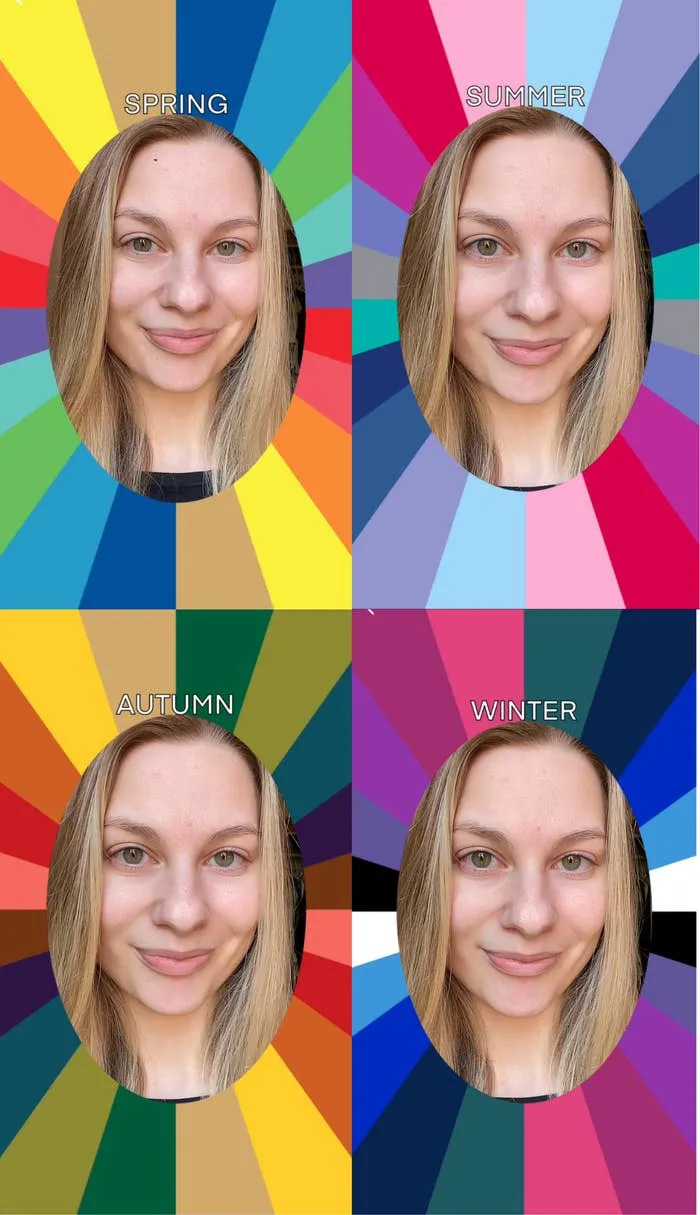
Color analysis usually sticks to four seasons: Winter, Spring, Summer, and Autumn. It's a simple system based on your skin, hair, and eyes, but most people don't fit into these four boxes. I've found it frustrating to try and force a match when my features don't align. AI is changing this by looking at specific data points rather than broad categories.
This isn’t about replacing the expertise of a skilled color analyst, but about providing them—and individuals—with more data. Think of it as a powerful tool for more accurate and nuanced assessments. It’s about recognizing that color isn’t a rigid system, but a spectrum. Kate Stoltzfus of MyColorPop has been a leader in pushing this boundary, demonstrating how a more detailed approach to color can genuinely transform someone’s style and confidence.
The shift is driven by the ability of AI to analyze far more variables than a human can process in a single sitting. It’s not magic, but it is a significant leap forward in understanding how color interacts with individual features. We’re seeing a move towards a more democratic and accessible form of color analysis—one that’s less reliant on subjective judgment and more grounded in objective data. This means fewer wardrobe misses and more colors that truly make you shine.
How the algorithms actually work
So, how exactly is AI being used in color analysis? It’s not simply a matter of uploading a selfie and getting a color palette spit back out. Sophisticated algorithms are analyzing a multitude of factors, including skin tone (depth, value, and chroma), eye color, hair color, and undertones – the subtle hues beneath the skin’s surface. Contrast levels, the difference between your hair, skin, and eyes, are also critical components.
The power of these algorithms lies in the massive datasets they're trained on. They’re fed thousands upon thousands of images of faces, allowing them to identify patterns and correlations that would be impossible for a human to discern. A significant challenge, however, is accurately capturing skin tone. Lighting conditions and camera quality can drastically alter how colors appear in a photograph, leading to inaccurate results.
The accuracy depends on the data. If an algorithm only sees light skin tones during training, it won't work for everyone else. We need datasets that actually reflect the real world so the results aren't biased toward a single ethnicity.
12-Season Systems and the Rise of Sub-Seasons
The traditional four-season system is increasingly being challenged by 12-season systems—and even more granular classifications. AI is a key driver of this evolution. By analyzing a wider range of data points, algorithms can identify subtle variations within each season, leading to more personalized color palettes. For example, instead of simply being categorized as "Autumn,’ someone might be identified as a ‘Soft Autumn’ or a ‘Deep Autumn."
Let’s consider someone previously labeled as "Autumn’. They might have warm undertones and golden hair, but their overall coloring lacks the intensity of a ‘True Autumn’. An AI analysis might reveal they have a softer contrast between their features, leading to a ‘Soft Autumn" designation. This nuance impacts color choices; a Soft Autumn benefits from muted, blended shades, whereas a True Autumn can handle bolder, richer tones.
This is where Color Posh’s body type guides come into play. Color analysis isn’t just about finding colors that look good; it’s about creating harmony between your coloring and your body shape. A palette that complements your skin tone can also emphasize your best features and create a balanced silhouette. Understanding your body type allows you to choose colors that work with your shape, rather than against it.
- True Autumn uses rich, warm, earthy tones.
- Soft Autumn focuses on muted, blended shades with golden undertones.
- Deep Autumn leans into intense, dramatic colors with a warm base.
2026 Color Analysis Trends: A Comparative Look at the 12 Seasons
| Season | Skin Undertone | Eye Color | Hair Color | Best Color Families |
|---|---|---|---|---|
| Winter | Cool/Blue | Dark Brown, Black, Deep Blue | Black, Dark Brown | Jewel Tones, Icy Blues, Vivid Purples |
| Light Winter | Cool/Blue | Blue, Gray, Hazel (with dark limbal ring) | Ash Brown, Medium to Dark Brown | Icy Pastels, Muted Blues, Charcoal Gray |
| True Winter | Cool/Blue | Dark Brown, Black | Black, Dark Brown | Bold, High Contrast Colors - True Red, Black, White |
| Deep Winter | Cool/Blue | Dark Brown, Black | Black, Dark Brown | Rich, Deep Colors - Emerald Green, Sapphire Blue, Burgundy |
| Spring | Warm/Golden | Bright Blue, Green, Hazel | Golden Blonde, Light Brown | Warm, Bright Colors - Coral, Peach, Light Greens |
| Light Spring | Warm/Golden | Blue, Green, Light Hazel | Light Blonde, Strawberry Blonde | Soft, Light Colors - Peach, Light Coral, Mint Green |
| True Spring | Warm/Golden | Bright Blue, Green | Golden Blonde, Medium Brown | Clear, Warm Colors - Tomato Red, Golden Yellow, Turquoise |
| Warm Spring | Warm/Golden | Hazel, Brown | Reddish Blonde, Warm Brown | Spicy, Earthy Tones - Terracotta, Olive Green, Mustard Yellow |
| Summer | Cool/Pink | Blue, Gray, Green | Ash Blonde, Light to Medium Brown | Soft, Muted Colors - Dusty Rose, Lavender, Seafoam Green |
| Light Summer | Cool/Pink | Blue, Gray-Blue | Light Ash Blonde, Silver | Pale, Delicate Colors - Powder Blue, Lavender Gray, Soft Pink |
| True Summer | Cool/Pink | Blue, Gray | Medium Ash Brown | Cool, Muted Colors - Rose Brown, Slate Blue, Mauve |
| Cool Summer | Cool/Pink | Gray-Blue, Violet | Ash Brown with Silver Highlights | Cool, Soft Colors - Icy Lavender, Slate Gray, Rose Beige |
| Autumn | Warm/Golden | Brown, Hazel, Green | Reddish Brown, Auburn | Earthy, Warm Colors - Olive Green, Rust, Chocolate Brown |
| Light Autumn | Warm/Golden | Hazel, Light Brown | Light Golden Brown, Strawberry Blonde | Soft, Muted Earth Tones - Peach, Olive, Camel |
| True Autumn | Warm/Golden | Brown, Hazel | Reddish Brown, Warm Brown | Rich, Earthy Colors - Olive Green, Burnt Orange, Teal |
| Deep Autumn | Warm/Golden | Dark Brown, Deep Hazel | Dark Auburn, Deep Brown | Rich, Warm Colors - Burgundy, Forest Green, Mustard Yellow |
Illustrative comparison based on the article research brief. Verify current pricing, limits, and product details in the official docs before relying on it.
Current tools on the market
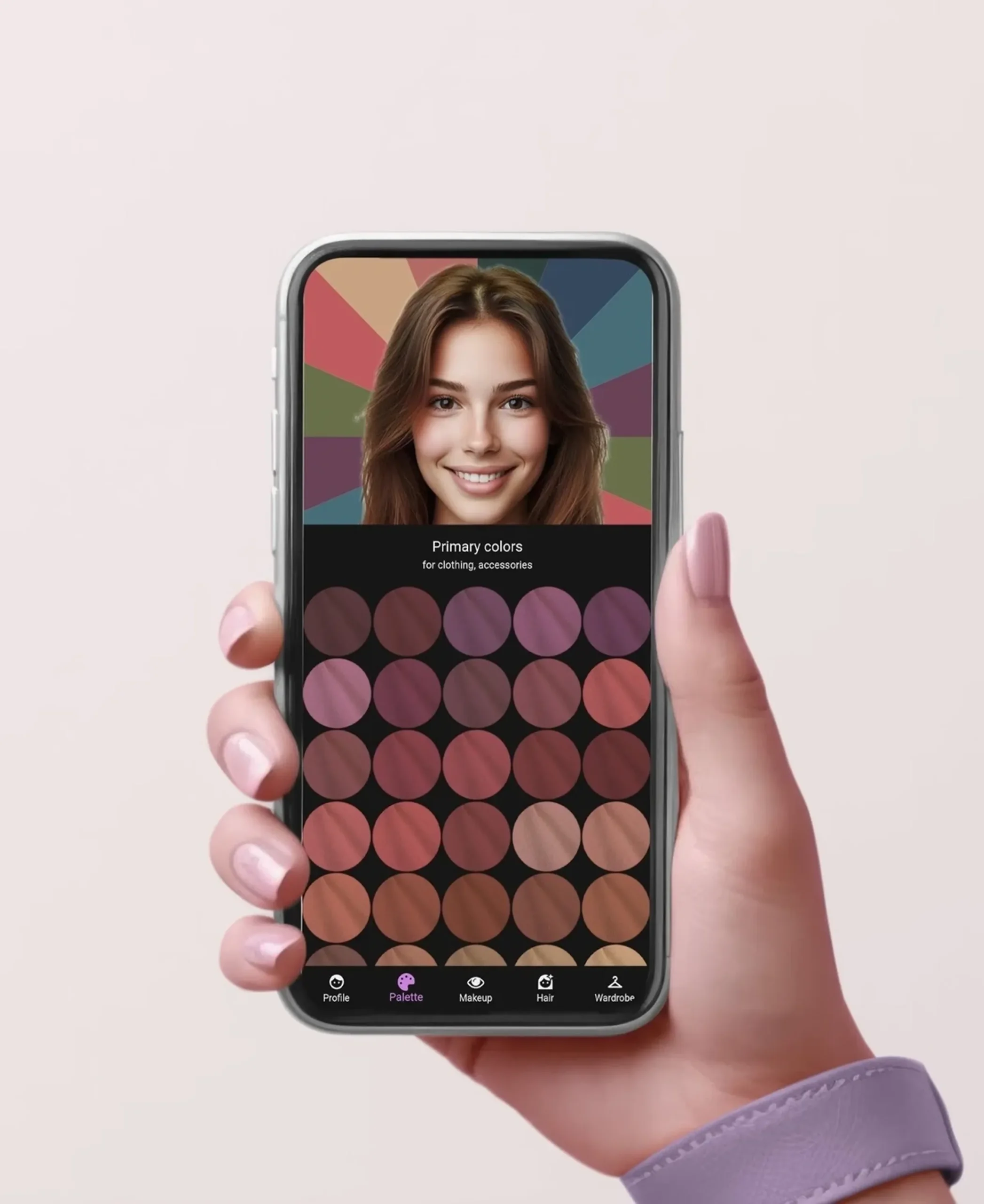
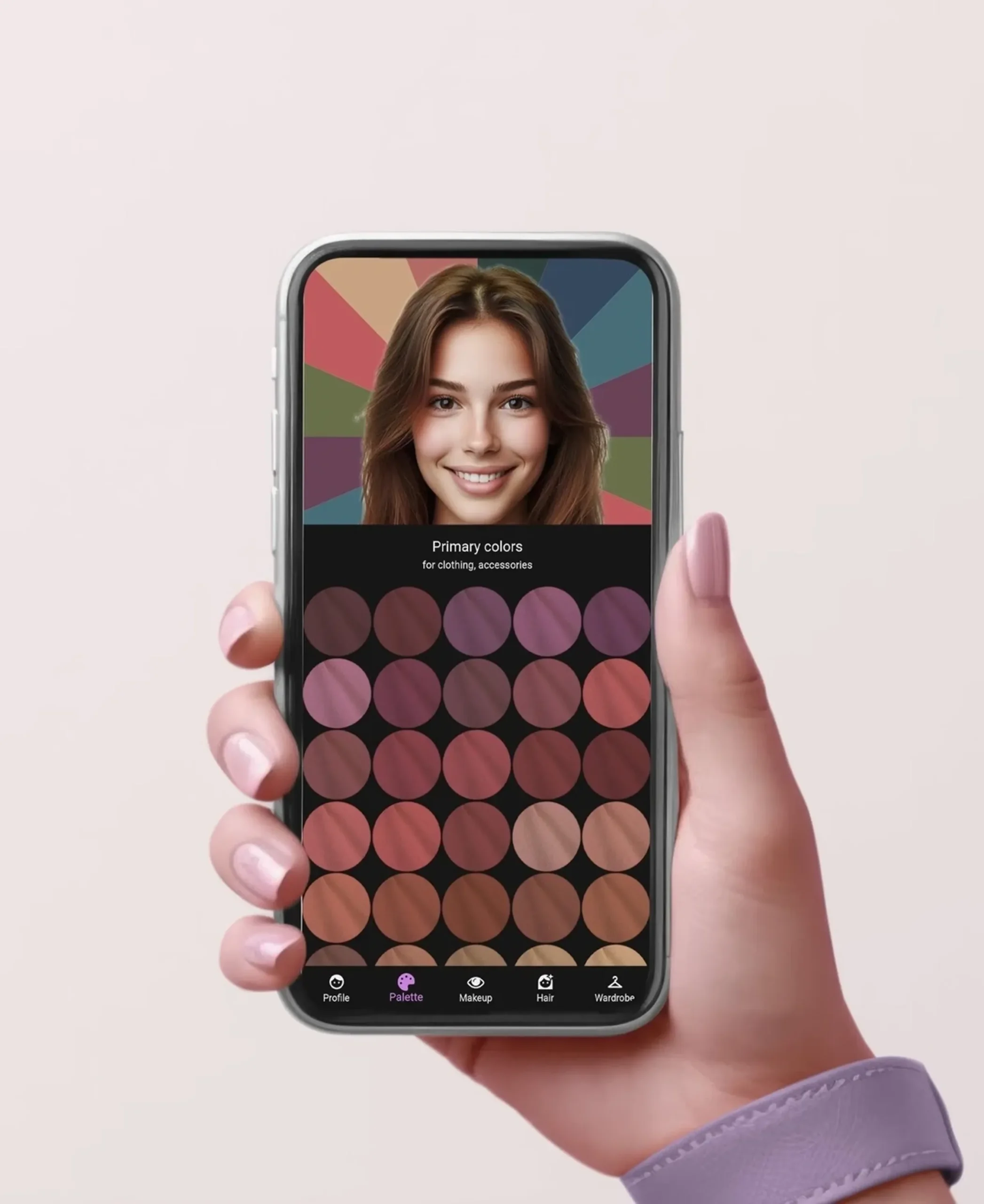
The market for AI-powered color analysis tools is evolving rapidly. Many apps and websites now offer virtual color analysis, typically requiring users to upload a clear, well-lit photo of their face. Some tools also utilize live camera analysis, providing real-time feedback as you move through different lighting conditions. Functionality varies, but most aim to identify your season, undertones, and suggest a personalized color palette.
Accuracy is hit or miss. Most apps rely on photos you take yourself, and if your lighting is dim or your camera is grainy, the palette will be wrong. I'd treat these results as a rough draft rather than a final verdict.
We’re starting to see integration with virtual try-on apps and online shopping platforms, allowing users to see how different colors will look on them before making a purchase. However, these integrations are still in their early stages. While convenient, they aren't a substitute for a professional color analysis or a thoughtful assessment of your own personal style. Remember, these are tools to assist, not replace, your own judgement.
Dari dulu pengen coba personal color analysis, tapi harganya lumanyan mahal..😅
— Nur Ayu (@nurayuofficial) April 23, 2026
Eh iseng pake ChatGPT Image, hasilnya ternyata oke juga lumayan akurat dan GRATIS
Cara bikinnya:
Upload foto lo ke ChatGPT
Pake prompt ini:
"Create a personal color analysis graphic using this… pic.twitter.com/VehuSydWRp
Beyond Fashion: Color in Lifestyle
The principles of color analysis extend far beyond clothing. Your personal color palette can inform your choices in makeup, hair color, accessories, and even home decor. Creating a cohesive color story across all aspects of your life can enhance your overall aesthetic and create a sense of harmony.
Consider your hair color. Choosing a shade that complements your skin tone and eye color can instantly brighten your complexion and make you look more youthful. The same applies to makeup – selecting shades that harmonize with your coloring can enhance your natural features. Accessories, like scarves and jewelry, can also be used to introduce pops of color that complement your palette.
But it's not just about aesthetics. Color has a powerful psychological effect. Different colors evoke different emotions and associations. Using color intentionally can help you project a certain image and communicate your personality to the world. It’s about using color as a tool for self-expression and empowerment.
Discover Your Body Type: A Foundation for Flattering Color
Understanding your body type is the first step towards building a wardrobe that truly flatters you. While AI-powered seasonal color analysis focuses on your coloring, knowing your shape allows you to choose styles that balance your proportions and highlight your best features. This quick quiz will help you identify your primary body type – hourglass, pear, apple, rectangle, or inverted triangle – so you can begin tailoring your style for a confident, polished look. Your results will link you to our detailed Color Posh body type guides for personalized advice.
Where personalized color goes next
Looking ahead, the future of color analysis is undoubtedly linked to advancements in AI and augmented reality. We can expect to see even more personalized color palettes, tailored not only to your physical characteristics but also to your individual preferences and lifestyle factors. Imagine an AI that learns your style over time and suggests colors based on your past purchases and browsing history.
The integration of color analysis with augmented reality (AR) and virtual reality (VR) technologies holds immense potential. Imagine being able to "try on" different color palettes in a virtual environment, seeing how they look on you in real-time. Or using AR to scan your surroundings and identify colors that complement your personal palette.
Ultimately, the goal is to empower individuals to make confident and informed style choices. AI-powered style assistants could recommend complete outfits based on your color palette and body type, taking the guesswork out of getting dressed. This isn’t about dictating what you should wear, but about providing you with the tools and knowledge to express your unique style with confidence and authenticity.
No comments yet. Be the first to share your thoughts!