

Dopamine Dressing Explained
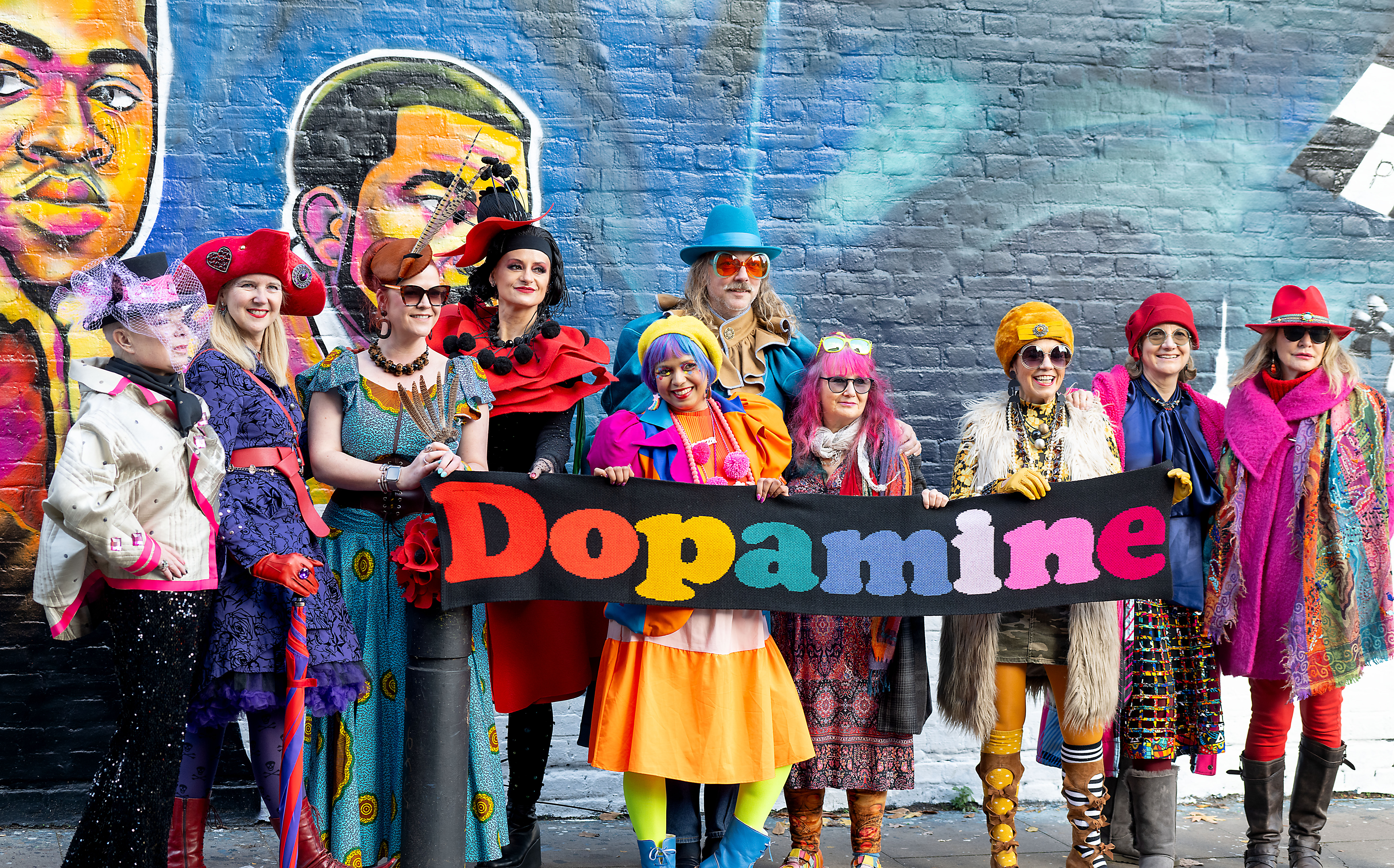
Dopamine dressing means wearing clothes that spark joy. It’s about choosing colors and styles that boost your mood, a trend Gen Z has embraced. We’ve always known what we wear affects how we feel, but dopamine dressing is the conscious application of this idea to influence our emotional state through personal style.
Color psychology shows brighter shades often mean energy and happiness, while cooler tones suggest calm. Gen Z, growing up online, uses fashion for self-expression and emotional wellbeing, caring less about traditional rules and more about showing their inner selves.
The pandemic accelerated this trend. After isolation, people wanted joy and escapism, and dopamine dressing offered an easy way to find it. It’s not just about bright colors, but the feeling clothes evoke, the confidence they inspire, and the positive impact on your outlook. It’s about choosing clothes that feel good.
Color Theory 101: Beyond the Rainbow
To apply this to fashion, let's cover basic color theory. Primary colors are red, yellow, and blue—the foundation. Secondary colors (green, orange, purple) mix two primaries. Tertiary colors mix a primary and a secondary, like red-violet or blue-green.
The color wheel shows these relationships. Complementary colors (like red and green) are opposite and create high contrast. Analogous colors (like blue, blue-green, and green) are next to each other for a harmonious effect. Triadic schemes use three evenly spaced colors (like red, yellow, and blue) for a balanced, vibrant look. Maybe bre’s YouTube video "How to Style your Clothes Using Color Theory 101" breaks these down practically.
These aren’t rigid rules, but guidelines for how color combinations feel. Color temperature matters too. Warm tones (reds, oranges, yellows) are energetic, while cool tones (blues, greens, purples) feel calming. Understanding these helps you choose what to wear and how it impacts your look.
Seasonal Colors & Gen Z Style
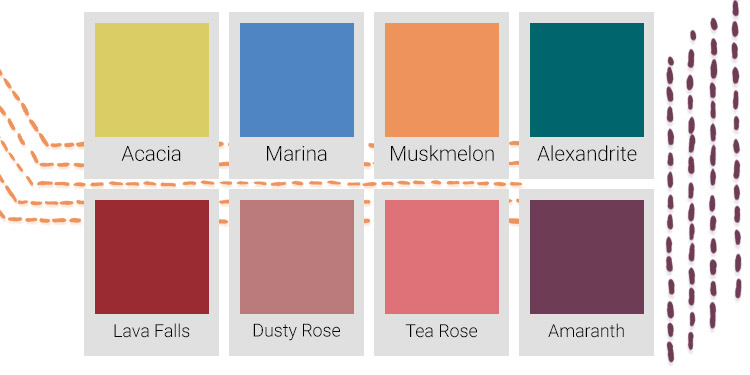
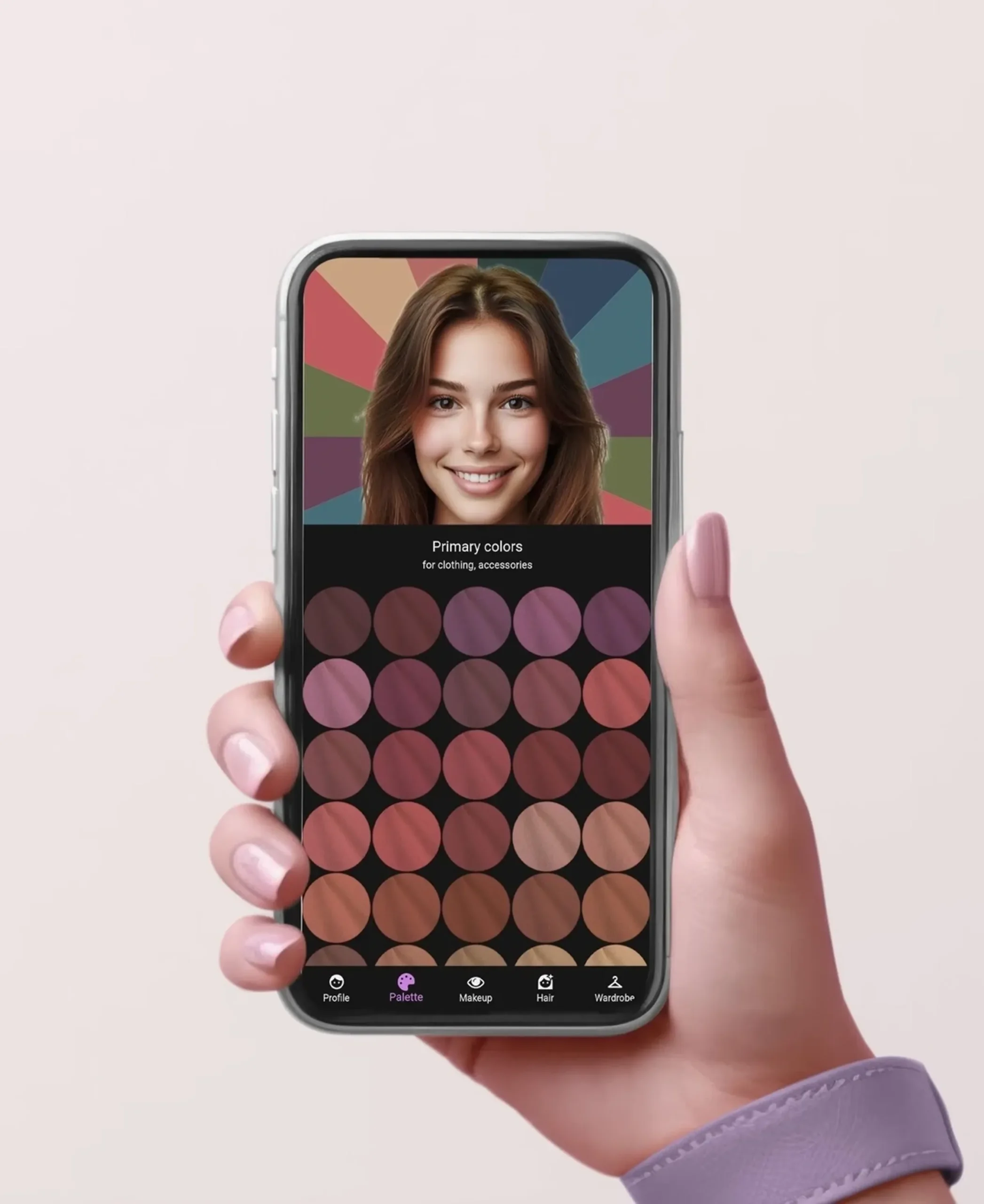
Traditional color analysis uses 'seasons'—Spring, Summer, Autumn, Winter—based on skin, hair, and eye color, each with a flattering palette. For Gen Z’s dopamine dressing, it’s about interpreting these palettes playfully and modernly.
A "Spring’ type with warm undertones might use pastel neons like lemon yellow, coral, and mint green, embracing brightness. An ‘Autumn’ type could explore burnt orange, deep teal, and mustard yellow. ‘Summer" types might lean towards lavender, turquoise, and rose pink. Even a 'Winter' type can soften their bold palette with unexpected color pops.
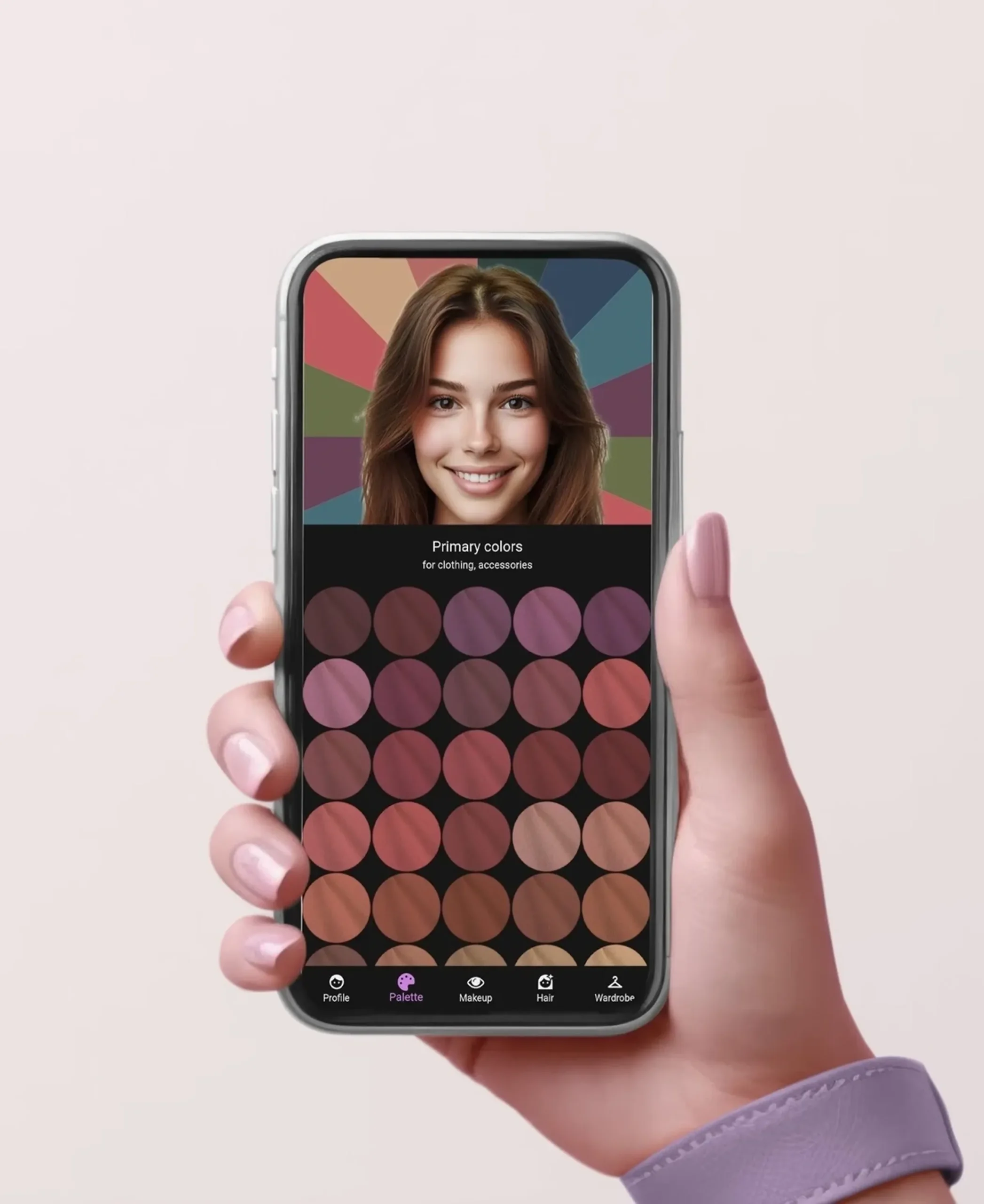
Use seasonal guidelines as a starting point, not a restriction. Theconceptwardrobe.com has a quiz to help determine your color season. Experiment and break the "rules’ to find what feels authentic. Combine understanding your natural coloring with choosing shades that make you feel good. Enhance your features, don"t mask them.
Gen Z mixes colors and patterns regardless of traditional "rules,’ a refreshing take on seasonal analysis. They focus on individuality over finding ‘perfect’ colors. This is where dopamine dressing shines—choosing colors that spark joy, even if they don"t technically align with your season.
Unlock Your Color Season: A Dopamine Dressing Guide
Dopamine dressing is all about wearing colors that boost your mood! But to *really* maximize that effect, it helps to know which colors harmonize best with *you*. This quick quiz will help you determine your seasonal color type, providing a foundation for building a vibrant, mood-enhancing wardrobe. Remember, these are guidelines – have fun and wear what makes you feel good!
Body Type & Color Placement
Understanding how color placement influences perception is valuable. Strategic color use can draw attention to favorite features or create the illusion of shape. It’s about working with your unique silhouette.
Color blocking with contrasting colors is powerful. A dark bottom and bright top can lengthen. Vertical stripes elongate, while horizontal stripes create width. Monochrome outfits create a streamlined, cohesive look.
Consider where you want to draw the eye. A bright color can highlight an area. A brightly colored belt or top can emphasize your waist. Darker colors recede and can minimize areas. It’s about balance and proportion to create a harmonious visual effect.
Wear what makes you feel confident. Don’t get caught up in arbitrary rules about body types and color. Experiment with combinations to find what works for you and your personal style. The goal is to feel good in your clothes, not conform to others’ standards.
Dopamine Dressing: Color Combos to Try
Here are color combinations perfect for dopamine dressing. Hot pink and lime green is a complementary pairing—the contrast is energetic and eye-catching. Lavender and turquoise is an analogous combination, offering a softer, harmonious vibe. Orange, yellow, and blue is a triadic scheme that’s bold, playful, and versatile.
For a casual look, pair a bright orange t-shirt with denim shorts and sneakers. For work, a lavender blazer over a white blouse and tailored trousers adds a cheerful touch. For a night out, a hot pink dress with lime green accessories turns heads. Mix textures and patterns for more visual interest.
null
The key to making bold colors wearable is to balance them with neutrals. A pop of color can be incredibly effective when paired with classic pieces like a white shirt, black pants, or a denim jacket. It’s about finding the right balance between boldness and wearability, and creating a look that feels authentic to you.
- Hot Pink & Lime Green: Energetic and eye-catching (complementary)
- Lavender & Turquoise: Softer and harmonious (analogous)
- Orange, Yellow & Blue: Bold, playful, and versatile (triadic)
- Cobalt Blue & Coral: Unexpected and flattering
- Bright Yellow & Red: Punchy and confident
Mood-Boosting Color Combos
- Coral & Teal - This pairing evokes a sense of playful optimism and creative energy. The warmth of coral is balanced by the calming coolness of teal.
- Lavender & Chartreuse - A surprisingly vibrant combination, lavender and chartreuse create a feeling of whimsical joy and individuality. It’s unexpected and attention-grabbing.
- Hot Pink & Orange - A bold and energetic duo, hot pink and orange radiate confidence and enthusiasm. Think sunset vibes with a powerful punch.
- Sunshine Yellow & Cobalt Blue - This classic combination is instantly uplifting. Yellow embodies happiness and optimism, while cobalt blue adds a sense of stability and trustworthiness.
- Emerald Green & Fuchsia - A luxurious and vibrant pairing. Emerald green represents growth and harmony, while fuchsia adds a touch of playful extravagance.
- Terracotta & Olive Green - This earthy combination promotes feelings of groundedness and tranquility. It's a sophisticated and calming palette, reminiscent of nature.
- Royal Blue & Mustard Yellow - A sophisticated yet cheerful pairing. Royal blue conveys confidence and intelligence, while mustard yellow adds a touch of vintage charm and playfulness.
Beyond Clothes: Accessories & Makeup
Dopamine dressing isn’t limited to clothing. Accessories and makeup are fantastic ways to incorporate mood-boosting color into your look. A colorful bag, a pair of vibrant shoes, or a statement piece of jewelry can instantly elevate an outfit. Don’t underestimate the power of a bright scarf or a colorful hair accessory.
Similarly, colorful eyeshadow, lipstick, and nail polish can enhance the mood-boosting effect. A swipe of bright pink lipstick or a pop of turquoise eyeshadow can instantly brighten your complexion and lift your spirits. Experiment with different shades and finishes to find what works best for you.
You don’t need to overhaul your entire wardrobe to embrace dopamine dressing. Small changes, like adding a colorful accessory or a bold lip color, can make a big impact. It’s about finding ways to inject joy and personality into your everyday style without breaking the bank. It's a low-pressure way to test the waters and see what resonates with you.
Avoiding Color Overload: Finding Balance
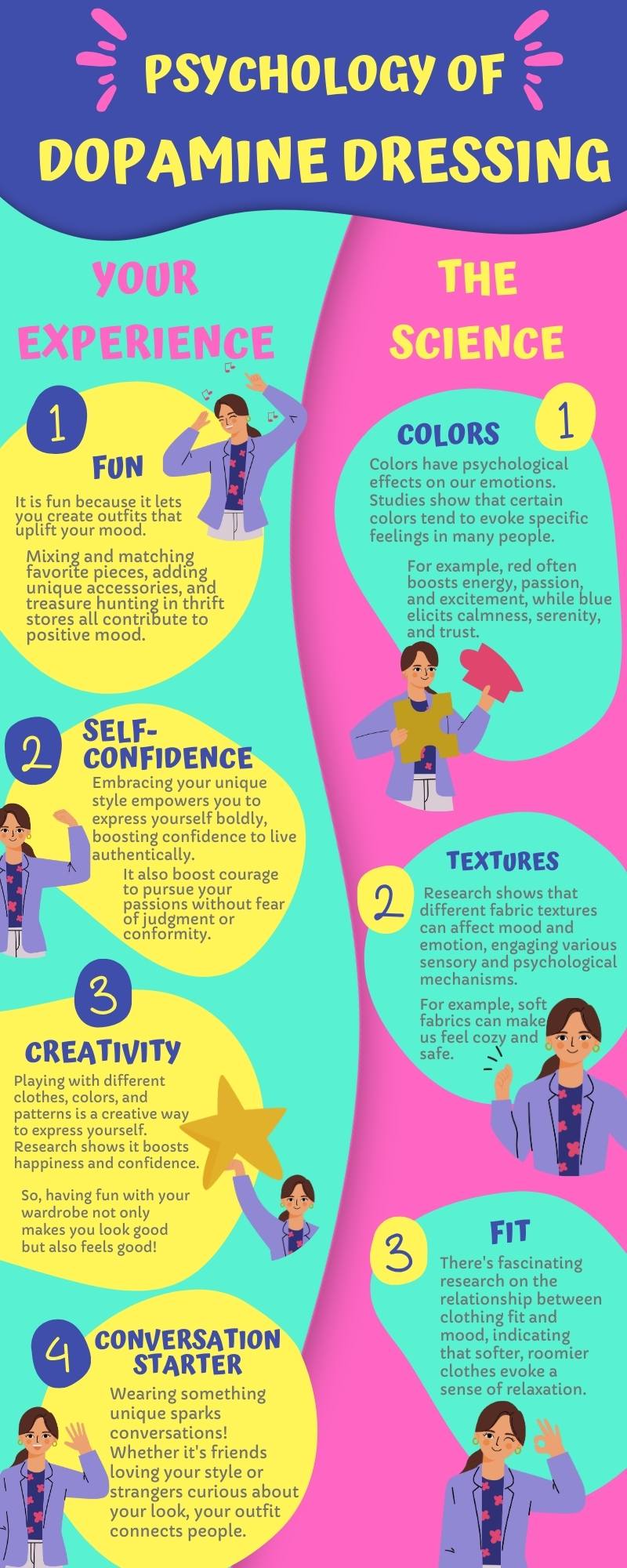
While dopamine dressing is all about embracing color, it’s also important to avoid feeling overwhelmed. Too much brightness can be visually jarring. Balancing bold colors with neutrals is key. Black, white, gray, and beige are excellent grounding colors that can help to tone down a vibrant outfit.
Consider proportion as well. If you’re wearing a brightly colored top, pair it with neutral bottoms. Or, if you’re wearing a statement piece of jewelry, keep the rest of your outfit relatively simple. The goal is to create a cohesive look that feels balanced and harmonious, not chaotic.
Incorporate color gradually if you're hesitant. Start with small pops of color and slowly build up your confidence. Remember, dopamine dressing is about expressing yourself and feeling good in your clothes. It’s not about following a trend blindly. It’s about finding a style that feels authentic to you and brings you joy.

No comments yet. Be the first to share your thoughts!