

The cost of fast fashion
The fashion industry has a significant impact on our planet. Fast fashion, with its relentless cycle of trends, generates enormous amounts of textile waste – the EPA estimated 17 million tons in 2018 alone. Beyond waste, the production of clothing requires vast quantities of water and contributes substantially to carbon emissions. It’s a system that prioritizes volume over longevity, and frankly, it’s unsustainable.
Choosing a thoughtfully curated wardrobe, built around a personal color palette, is a powerful way to resist this cycle. It’s about shifting from impulsive purchases to intentional ones, selecting pieces you genuinely love and will wear repeatedly. This isn’t just about aesthetics; it’s about making a conscious choice to reduce your environmental footprint.
The concept of "slow fashion’—buying less, choosing well, and making it last—is central to this approach. A cohesive color palette naturally supports slow fashion. When everything in your closet works together, you"re less likely to feel the need to constantly acquire new items. Colors that harmonize extend the perceived versatility of each garment, effectively increasing your wardrobe's lifespan.
Think about it: a brightly colored, trend-driven piece might feel dated next season, while a classic, well-fitting item in a flattering, timeless color will remain a staple for years. It’s a subtle but profound shift in mindset, moving away from fleeting trends and towards enduring style.
Finding your undertone
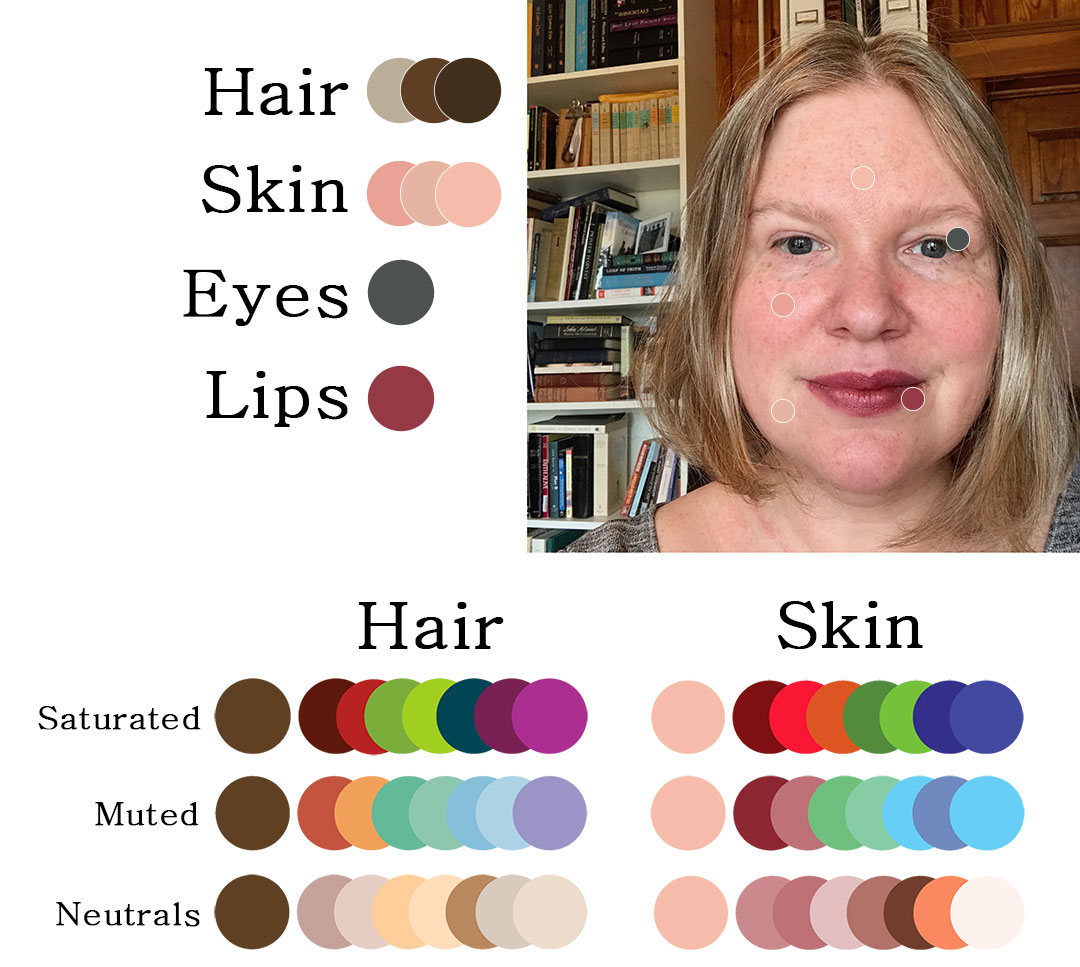
Understanding your undertone – whether it’s warm, cool, or neutral – is absolutely fundamental to building a color palette that flatters you. This isn’t about your skin tone, which is the surface color, but the subtle hue beneath the surface. Many people mistakenly believe their skin tone dictates their best colors, but undertone is the real key.
There are a few simple ways to determine your undertone. The vein test involves looking at the veins on your wrist; bluish-purple veins usually indicate a cool undertone, while greenish veins suggest a warm undertone. The jewelry test involves observing which metal – gold or silver – looks more flattering against your skin. Silver generally complements cool undertones, and gold flatters warm undertones.
Try comparing stark white to off-white. Cool undertones often look washed out in bright white, while warm skin looks better in cream. These aren't hard rules—your skin might even look warmer in summer if you tan.
Ultimately, finding your best colors is about what makes you feel confident and radiant. Don't get hung up on strict categorization; use these techniques as a starting point to experiment and discover what truly works for you.
- Vein Test: Bluish-purple veins suggest cool, greenish veins suggest warm.
- Jewelry Test: Silver flatters cool, gold flatters warm.
- White vs. Off-White: Warm undertones usually favor cream or ivory.
Discover Your Undertone: A Sustainable Style Starting Point
Understanding your skin's undertone is the first step towards building a truly flattering and sustainable capsule wardrobe. Choosing colors that harmonize with your natural coloring means fewer impulse buys, more wear from each garment, and a reduced impact on the environment. This quick quiz will help you identify whether you lean warm, cool, or neutral. Remember, this is a starting point – professional analysis provides the most accurate results!
The four seasonal stories
Seasonal color analysis splits people into four groups: Spring, Summer, Autumn, and Winter. These are helpful starting points, but don't treat them as rigid rules. If you love a color that isn't 'yours,' wear it anyway.
Spring palettes are typically warm and bright, featuring colors like peach, coral, light green, and golden yellow. These palettes often pair well with light to medium-toned fabrics like linen and cotton. Summer palettes are cool and soft, encompassing shades of lavender, rose, powder blue, and seafoam green. They tend to look best in flowing, lightweight materials.
Autumn palettes are warm and muted, with colors like olive green, rust, mustard yellow, and chocolate brown. These palettes often complement richer textures like corduroy and wool. Winter palettes are cool and dramatic, featuring colors like black, navy, burgundy, and icy blue. They look striking in structured fabrics like silk and cashmere.
It’s important to remember that these are generalizations. You might find that you resonate with elements from multiple seasons. The goal is to identify the colors that make you feel your best, regardless of which "season’ you’re assigned to. Experiment with different combinations and don’t be afraid to break the ‘rules".
Better fabric choices
Choosing sustainable fabrics is a crucial step in building an eco-conscious wardrobe. Organic cotton, grown without harmful pesticides or fertilizers, is a good starting point, although it still requires significant water usage. Linen, made from flax plants, is a highly sustainable option, requiring less water and pesticides than cotton.
Hemp is another excellent choice, known for its durability and fast growth rate. Tencel, a fiber made from wood pulp, is a soft and sustainable alternative to rayon. Recycled materials, such as recycled polyester and nylon, help reduce waste and conserve resources. However, even recycled synthetics can shed microplastics during washing.
When shopping, look for certifications like GOTS (Global Organic Textile Standard) and OEKO-TEX Standard 100, which verify that fabrics have been tested for harmful substances. Be aware that "sustainable’ doesn’t always equal ‘perfect." Some sustainable fabrics may be more expensive or less durable than conventional options.
It’s also important to consider the entire lifecycle of a garment, from production to disposal. Prioritize quality and durability to ensure your clothes last longer, and explore options for repairing or repurposing items instead of throwing them away.
- Organic Cotton: Grown without harmful pesticides.
- Linen: Requires less water and pesticides than cotton.
- Hemp: Durable and fast-growing.
- Tencel: Sustainable alternative to rayon.
- Recycled Materials: Reduces waste and conserves resources.
Capsule Wardrobe Essentials: Color-Coordinated Building Blocks
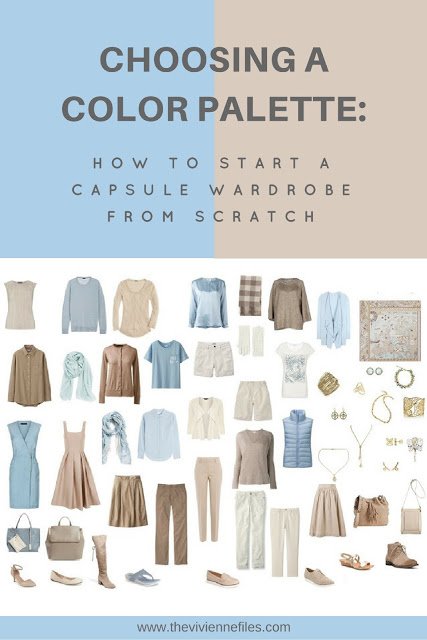
Building a capsule wardrobe around your chosen color palette is a game-changer. It simplifies getting dressed and maximizes the versatility of your clothes. Let's look at examples for a 'Warm Autumn' palette.
For a Warm Autumn palette, essential pieces might include a camel-colored coat, olive green trousers, a rust-colored cashmere sweater, a cream-colored silk blouse, and a pair of dark wash jeans. These items can be easily mixed and matched to create a variety of outfits.
The key is to choose high-quality, versatile pieces that can be dressed up or down. A well-fitting pair of trousers can be worn to work or for a casual weekend outing. A classic coat will last for years and elevate any outfit. Don’t forget the importance of neutral shoes and accessories that complement your palette.
Incorporate existing items you already love into your capsule wardrobe. There’s no need to start from scratch. Simply identify the pieces that fit within your color palette and build from there. Focus on filling in the gaps with intentional purchases.
Sustainable Fabric Comparison for Capsule Wardrobes
| Fabric | Environmental Impact | Durability | Comfort | Wrinkle Resistance | Cost |
|---|---|---|---|---|---|
| Organic Cotton | Low to Medium (dependent on farming practices) | Medium | High | Low to Medium | Medium |
| Linen | Low (requires less water & pesticides than cotton) | High | High | High | Medium to High |
| Hemp | Very Low (fast growing, requires little water) | Very High | Medium (softens with wash) | Medium to High | Medium to High |
| Tencel/Lyocell | Low (closed-loop production process) | Medium to High | Very High | Medium | Medium to High |
| Recycled Polyester | Low (reduces landfill waste) | Medium | Medium | High | Low to Medium |
| Wool (Responsibly Sourced) | Medium (methane emissions from sheep are a concern, but renewable resource) | Very High | Medium to High (temperature regulating) | Medium to High | Medium to High |
| Silk (Peace Silk/Ahimsa Silk) | Medium (traditional silk production harms silkworms, peace silk avoids this) | Medium | Very High | Medium | High |
Illustrative comparison based on the article research brief. Verify current pricing, limits, and product details in the official docs before relying on it.
Where to Shop: Brands That Align With Your Values
Finding brands that prioritize sustainability and ethical production can take some research, but it’s worth the effort. Everlane (prices vary) is a popular option, known for its transparency and commitment to ethical factories. Pact (around $20-$80) offers affordable organic cotton basics.
For a more luxury option, Eileen Fisher (around $150-$500) is a leader in sustainable fashion, using eco-friendly materials and offering a take-back program. People Tree (around $50-$200) is a fair trade pioneer, working with artisans in developing countries. Reformation (around $100-$300) focuses on sustainable fabrics and responsible manufacturing.
Many brands are now offering color analysis services or have a strong commitment to transparency about their supply chains. Researching a brand's practices before making a purchase is crucial. Look for certifications and read reviews to ensure they align with your values.
This isn’t an exhaustive list, and new sustainable brands are emerging all the time. The goal is to find options that fit your budget and aesthetic while supporting a more ethical and environmentally responsible fashion industry.
Making clothes last
Extending the life of your clothes is one of the most sustainable things you can do. Proper care – washing, storing, and repairing – can significantly increase the lifespan of your garments. Wash your clothes less frequently, as excessive washing can damage the fibers.
Air-drying is always preferable to using a dryer, as it saves energy and prevents shrinkage. Use gentle, eco-friendly detergents and avoid harsh chemicals. Store your clothes properly, folding or hanging them to prevent wrinkles and damage. Learn basic mending skills to repair minor tears or loose buttons.
Consider participating in clothing swaps with friends or family. It’s a fun and sustainable way to refresh your wardrobe without buying anything new. Resale platforms like ThredUp and Poshmark are also great options for buying and selling pre-owned clothing.
Treat your clothes as long-term tools rather than disposables. Taking care of them saves money and keeps fabric out of landfills.

No comments yet. Be the first to share your thoughts!