

The new rules for video calls
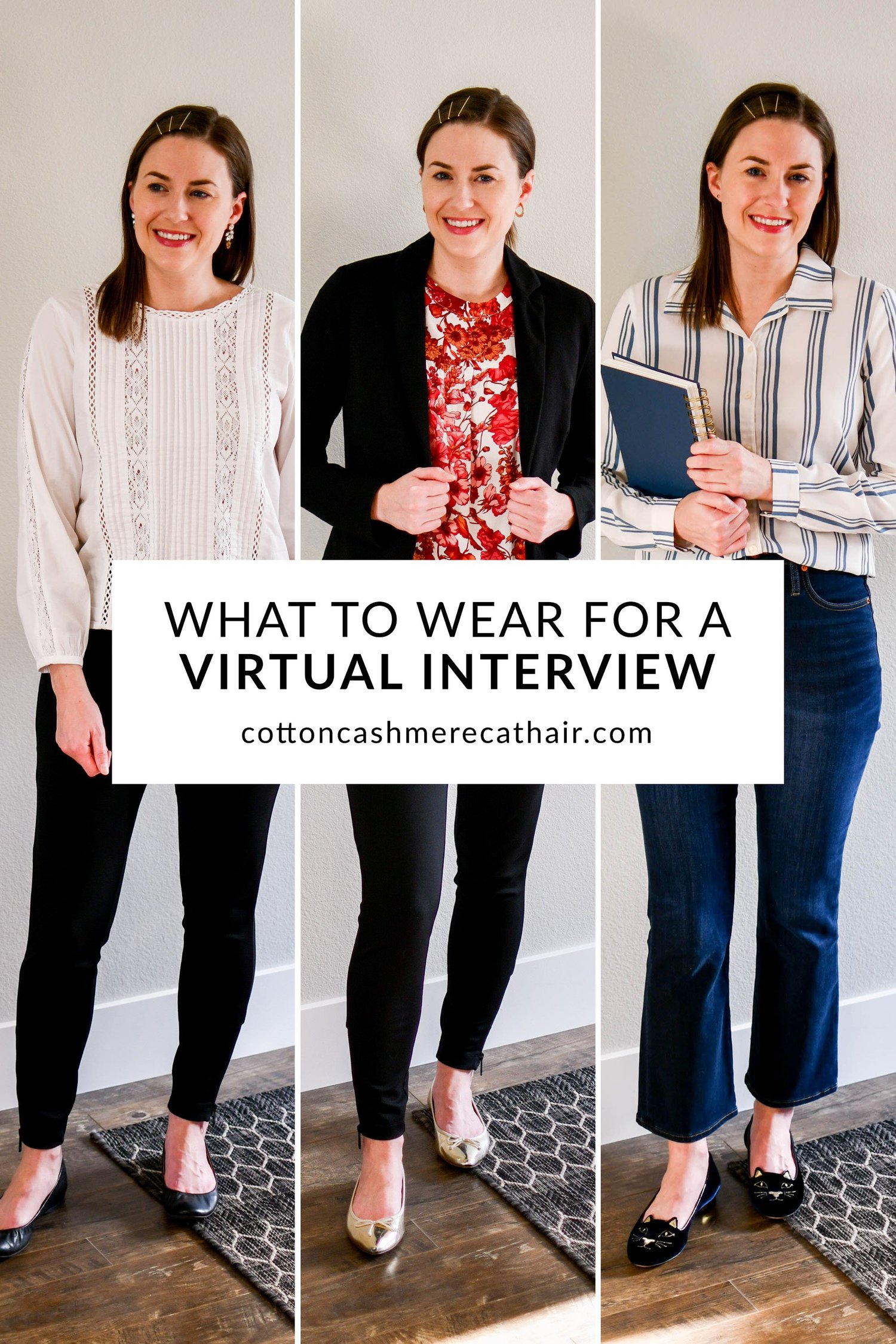
Remote work changed the rules for professional clothes. Suits are mostly gone, but dressing with intent matters more than ever. We live on camera now, and video calls flatten how we look compared to meeting in a room.
Video calls compress depth, meaning details can get lost and shapes are altered. Solid colors often translate better on camera than busy patterns, which can create a distracting moiré effect. The 'visual frame' – what the camera captures – becomes your workspace. What you wear within that frame truly matters. It’s about understanding how clothing reads on screen and using that to your advantage.
Looking ahead to 2026, fashion forecasts suggest a continued emphasis on comfort and versatility, but with a growing desire for self-expression. We’re seeing a move away from overly minimalist aesthetics towards more playful silhouettes and bolder colors. This translates to opportunities for incorporating personality into your remote work wardrobe, while still maintaining a professional image. The key is to be mindful of how these trends interact with your body shape.
Finding your shape
Understanding your body shape is the foundation of effective styling. While many resources focus on precise measurements, I believe a visual assessment is more practical. Consider how your weight is distributed – where do you naturally carry more fullness? How do your shoulders compare to your hips? Is your waist clearly defined, or more straight?
The five main body shapes are Rectangle, Pear, Apple, Hourglass, and Inverted Triangle. A Rectangle shape has roughly the same width at the shoulders, waist, and hips. Pear shapes are wider at the hips than the shoulders. Apple shapes carry more weight around the midsection. Hourglass shapes have a defined waist with balanced shoulders and hips. Inverted Triangle shapes have broader shoulders than hips.
These aren't rigid boxes. Most of us are a mix. The point is to understand your proportions so you can pick clothes that actually fit your frame. If you want a deep dive, look for specific body type charts that map out measurements.
- Rectangle: Shoulders and hips match with little waist definition.
- Pear: Hips are wider than shoulders.
- Apple: Weight is concentrated around the midsection.
- Hourglass: Defined waist with balanced shoulders and hips.
- Inverted Triangle: Shoulders are wider than hips.
Discover Your Body Shape: A Quick Guide for Remote Work Style
Understanding your body shape is the first step to building a wardrobe that flatters you on camera and boosts your confidence during video calls. This short quiz will help you identify your shape, setting the stage for personalized color and style recommendations. Remember, there's no 'best' body shape – just different shapes that benefit from different styling approaches. Focus on balance and highlighting your favorite features!
How color changes your silhouette
Color is a powerful tool for visual manipulation. Darker colors tend to recede, making areas appear smaller, while brighter colors draw the eye. This principle can be used to balance your proportions and create a more harmonious silhouette. For instance, wearing a darker color on your lower body can visually slim the hips, while a brighter color on top can broaden the shoulders.
Color blocking – using contrasting colors in different areas of your outfit – is a particularly effective technique. Strategic color blocking can create the illusion of curves where you want them, or slimness where you prefer. A vertical column of color, like a monochromatic outfit, can elongate the body. Conversely, horizontal stripes can visually widen.
These aren’t hard and fast rules, of course. Personal preference plays a significant role. However, understanding these basic principles allows you to make informed choices and use color to emphasize your best features. I always suggest experimenting to see what works best for you and your individual coloring.
Rectangle: Creating Definition
If you have a rectangular body shape, the goal is to create the illusion of curves and define your waist. Layering is your friend. Adding a vest, cardigan, or jacket can create shape where there isn’t much naturally. Belting at the waist is also incredibly effective, instantly adding definition.
A-line dresses and skirts are fantastic choices, as they create a subtle flare that mimics a womanly shape. Ruffles, pleats, and other textural details can also add volume and visual interest. Look for tops with interesting necklines – a cowl neck or boat neck can soften the shoulders and add a touch of femininity.
Try warm tones like terracotta or olive. Jewel tones like sapphire also help add depth to a straighter frame. Look for creators who demonstrate these silhouettes on camera to see how the fabric moves.
- A-line dresses and skirts
- Belts at the waist
- Layered outfits
- Tops with interesting necklines
Rectangle Body Shape Staples
- Wrap Dress: A classic wrap dress creates the illusion of curves. Look for styles in jewel tones like emerald green or sapphire blue for a flattering effect on camera.
- Peplum Top: A peplum top adds volume at the hips, balancing a straighter silhouette. Consider a navy or burgundy peplum top for professional video calls.
- A-Line Skirt: An A-line skirt adds shape to the lower body. A midi-length skirt in a patterned fabric, like a subtle floral or geometric print, can be visually interesting.
- High-Waisted Wide-Leg Pants: These pants elongate the legs and create a more defined waist. Opt for a solid color like charcoal grey or camel.
- Belted Blazer: A blazer with a belt cinches the waist, adding definition. A classic black or navy blazer is a versatile choice.
- Ruffled Blouse: Soft ruffles add volume and visual interest to the upper body. A cream or blush-colored ruffled blouse can brighten your appearance on screen.
- Fit-and-Flare Dress: Similar to a wrap dress, a fit-and-flare silhouette defines the waist and adds fullness to the lower body. A solid color like teal or mustard yellow can be striking.
Pear: Balancing Proportions
For pear-shaped bodies, the key is to balance your proportions by drawing attention to your upper body. Brighter colors, interesting patterns, and statement necklines can all help achieve this. A well-fitted blazer with shoulder pads can broaden your shoulders and create a more balanced silhouette.
A-line skirts and dresses are a pear shape’s best friend. They skim over the hips and create a flattering shape. Avoid styles that are too tight or clingy around the hips and thighs. Darker wash jeans are also a good choice, as they visually slim the lower body.
Structured jackets are also incredibly helpful. They add definition to the upper body and create a more balanced look. I’m not entirely convinced by the current trend for extremely wide-leg pants; while stylish, they could potentially overwhelm a smaller frame. Consider a wider leg, but not one that’s excessively voluminous.
Apple: Defining the Waist
Apple-shaped bodies benefit from styles that create a waistline. Empire waist dresses and tops, which cinch just below the bust, are a great option. Wrap dresses are also incredibly flattering, as they create a defined waist and a flowing silhouette.
V-neck tops are particularly effective at elongating the torso and drawing the eye upward. Strategically placed draping can also create the illusion of a waistline. Avoid styles that are too boxy or shapeless, as these can make you appear larger than you are.
Darker colors on the midsection can be very effective at creating a slimming effect. Pair a darker-colored top with brighter colors on your upper body. Good posture is also crucial – standing tall can instantly make you look more confident and defined.
Hourglass & Inverted Triangle: Enhancing Curves
Hourglass shapes are naturally balanced, so the goal is to emphasize your waist. Fitted clothing, like wrap dresses and tailored tops, is your best bet. Avoid styles that are too loose or shapeless, as these can hide your figure.
Inverted triangle shapes, with broader shoulders, need to balance their silhouette. Fuller skirts and wider-leg pants can add volume to the lower body and create a more proportional look. Color blocking can also be used to visually balance the shoulders and hips. Consider a brighter color on the bottom and a darker color on top.
For both shapes, it’s important to avoid styles that exaggerate existing imbalances. For example, an hourglass shape shouldn’t wear overly bulky sweaters, and an inverted triangle shape shouldn’t wear shoulder pads that are too dramatic. The key is to enhance your natural shape, not to fight against it.
Color & Body Shape Guide for Video Calls (2026)
| Color | Best Body Shape | Body Shape to Approach with Caution | Video Call Considerations |
|---|---|---|---|
| Cobalt Blue | Rectangle | Pear | Appears universally flattering on camera; avoid pairing with very bright white backgrounds to prevent glare. |
| Terracotta | Pear | Apple | Warm tone adds curves visually; may wash out paler complexions on camera – consider makeup. |
| Olive Green | Hourglass | Rectangle | Sophisticated and professional; can sometimes appear muted on lower-quality cameras – test lighting. |
| Mustard Yellow | Apple | Hourglass | Adds brightness and visual interest; be mindful of potential for yellow tones to reflect unflatteringly under certain lighting conditions. |
| Deep Teal | Rectangle | Pear | Creates a slimming effect; can appear dark on camera, so ensure adequate lighting. |
| Blush Pink | Pear | Apple | Softens the overall look; may not translate well on all camera settings – test beforehand. |
| Charcoal Grey | Hourglass | Rectangle | Professional and versatile; avoid if your background is also grey to prevent blending in. |
| Burgundy | Apple | Hourglass | Rich and sophisticated; can appear darker on camera, so pair with well-lit spaces. |
Illustrative comparison based on the article research brief. Verify current pricing, limits, and product details in the official docs before relying on it.



No comments yet. Be the first to share your thoughts!