

Beyond the Rules: A New Approach
For years, we’ve been told what colors and styles "work’ for certain body shapes. These rules? They’re largely outdated. I’ve always believed that fashion should be about feeling good, not adhering to arbitrary standards. This guide isn’t about restriction; it’s about empowerment. It"s about understanding the principles behind why certain combinations are visually pleasing, and then adapting those principles to your unique body and preferences.
The focus has shifted, thankfully. We’re moving away from trying to "fix" our bodies with clothing and towards celebrating them. This means understanding how color and shape can enhance your natural features, not mask them. It also means recognizing that personal style is paramount. What makes you feel confident is the most important factor.
This isn’t about a strict formula. It's about building a wardrobe that reflects your personality and makes you feel fantastic. We'll explore how to play with proportion, balance, and color to create looks that flatter your figure and boost your self-assurance. Forget 'rules' – think of these as guidelines to inspire experimentation.

Understanding Your Body's Landscape
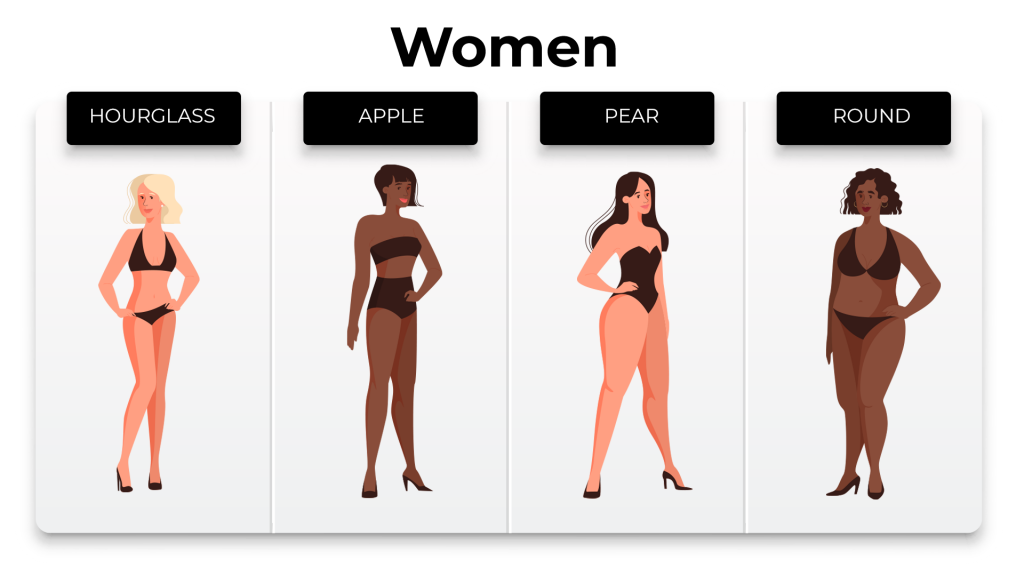
Let’s talk about body types. The common categories – apple, pear, hourglass, rectangle, inverted triangle – are useful starting points, but rarely do people fit neatly into just one. Most of us are a blend of shapes, and that’s perfectly okay. It’s more helpful to think about your overall silhouette and how to create balance within it.
Proportion and balance are key. Identifying your personal lines – are they mostly vertical, horizontal, or diagonal? – can help you choose clothing that complements your frame. Vertical lines tend to elongate, horizontal lines widen, and diagonal lines create a dynamic effect. Consider where you naturally carry weight and how you want to draw the eye.
Melinda Menezes MD’s work on Kibbe body types offers a more nuanced approach to understanding your body’s structure and essence. She categorizes body types based on a combination of yin and yang characteristics, which can be a helpful framework for determining what styles and fabrics will harmonize with your natural lines. It's a deeper dive than the standard shapes, and worth exploring if you're looking for a more personalized approach.
Don't get hung up on labels. The goal isn’t to conform to an ideal, but to understand your unique shape and dress in a way that feels authentic and comfortable. Observe your body in the mirror, and identify what features you want to accentuate or balance.
Discover Your Silhouette: A Body Shape Self-Assessment
Understanding your body’s natural silhouette is the first step to unlocking a wardrobe that truly flatters you. This isn’t about fitting into a rigid box, but about recognizing your unique proportions to make informed style choices. This quiz will help you identify characteristics of different body shapes, allowing you to explore the color and style recommendations in this guide with greater confidence. Remember, most people are a blend of shapes, and that's perfectly okay!
Color Seasons: More Than Just a Test
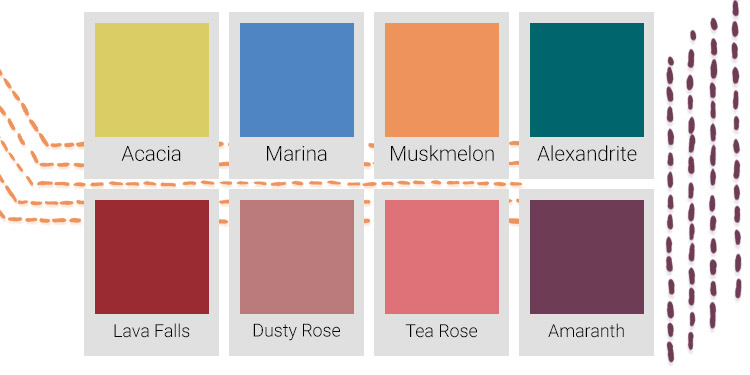
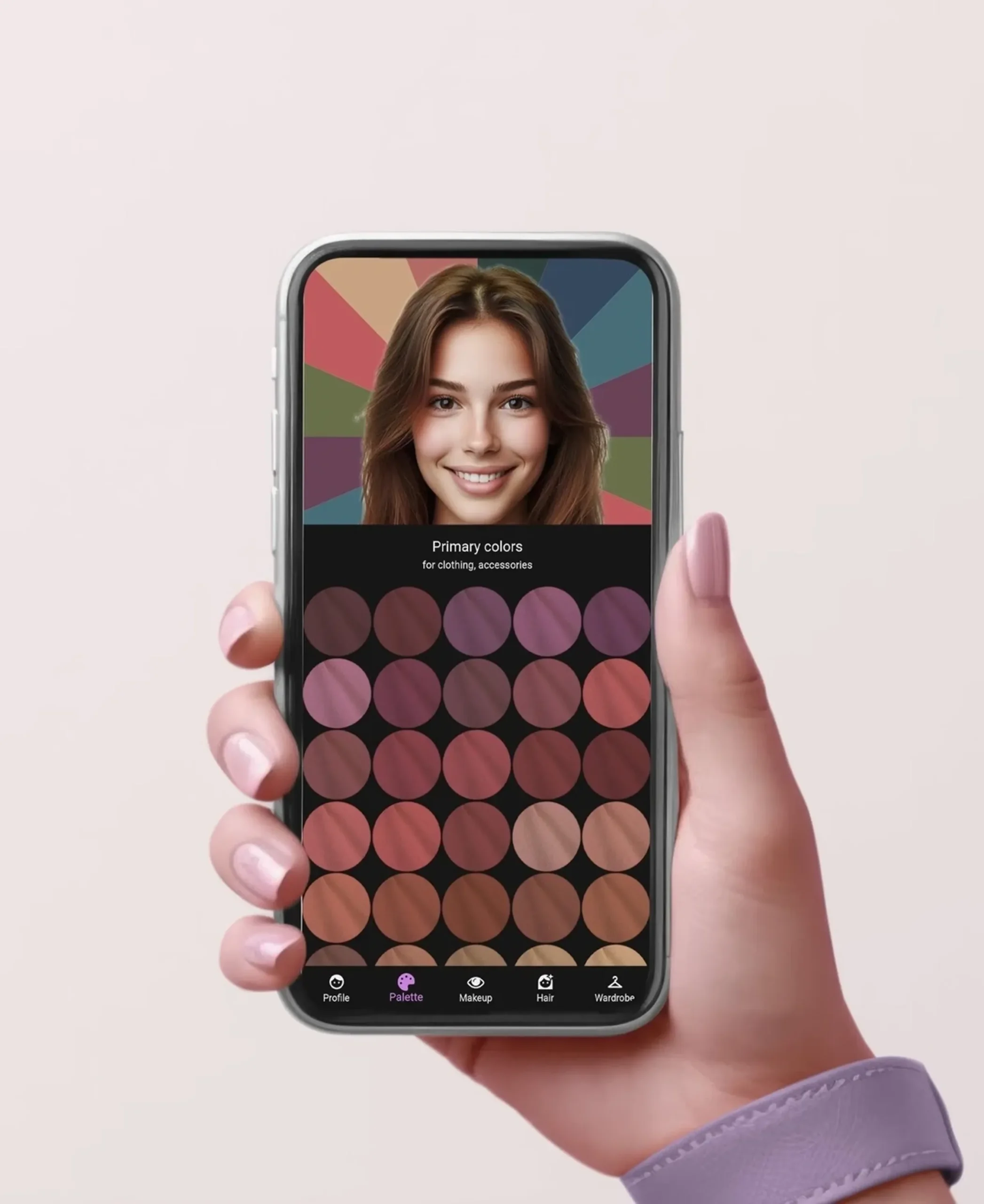
The four color seasons – Spring, Summer, Autumn, and Winter – are based on the idea that certain colors harmonize better with your natural coloring, including skin undertones, hair color, and eye color. These aren’t strict rules, but rather guidelines to help you identify colors that make you look radiant and healthy.
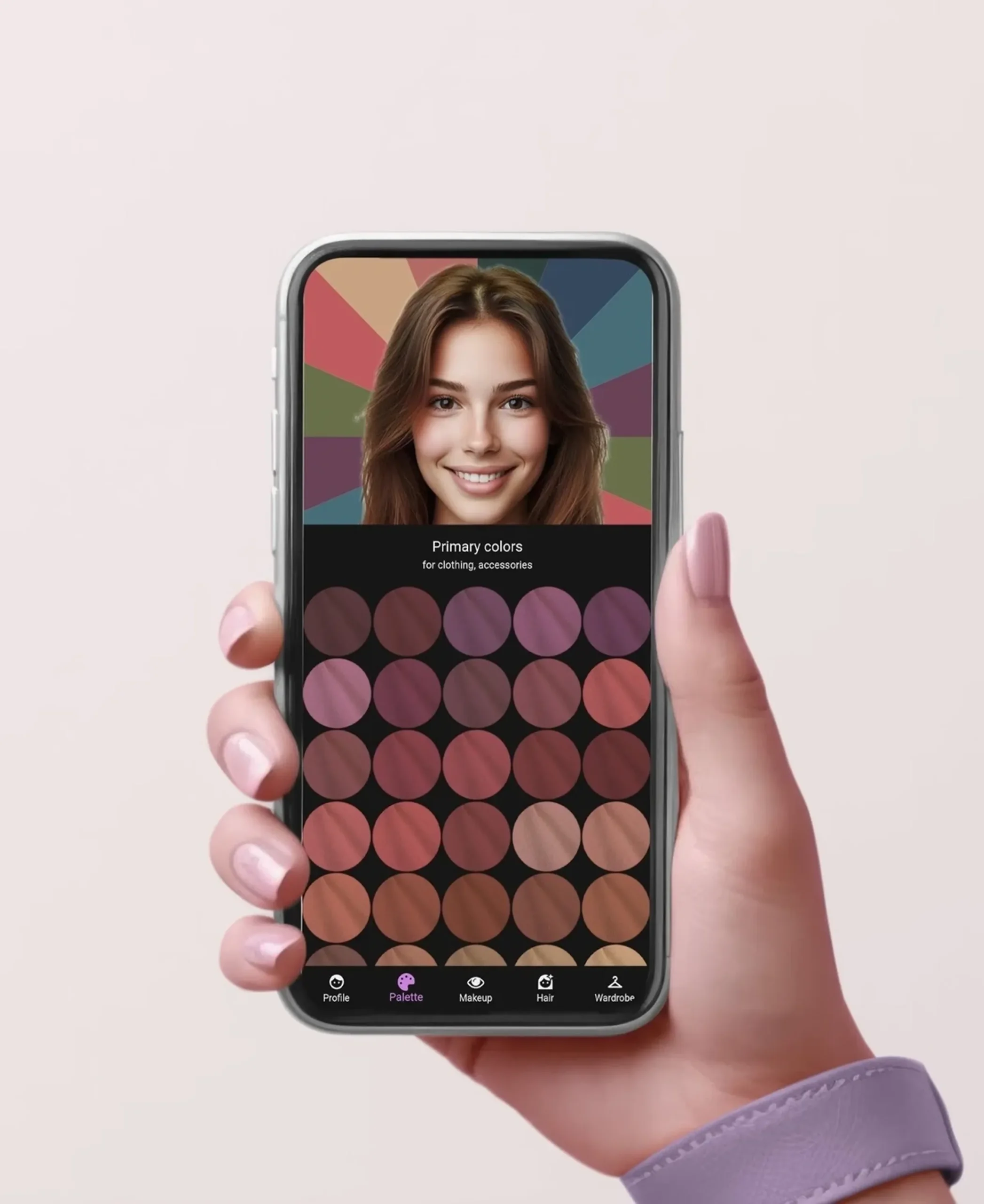
Determining your season can be done through professional color analysis, but you can also try a DIY approach. Observe how different colors affect your complexion. Do cool shades make you look washed out, or do they brighten your face? Do warm shades make you glow, or do they clash with your skin tone? Pinterest is a fantastic resource for visual examples of each season and the colors associated with them.
Remember, personal preference matters. If you love a color that doesn’t "officially" suit your season, wear it anyway! These are just starting points. You can incorporate colors from other seasons as accents or to create interesting contrasts. The key is to find what makes you feel confident and beautiful.
Color & Shape: The Balancing Act
Here's where the magic happens: connecting color and body shape. Different colors can visually add or subtract volume, creating the illusion of a more balanced silhouette. Darker colors tend to recede, making areas appear smaller, while brighter colors draw attention and can make areas appear larger.
For example, if you have a pear shape (wider hips and thighs), you might use darker colors on your lower body and brighter colors on your upper body to create a more balanced look. Conversely, if you have an inverted triangle shape (broader shoulders and narrower hips), you could use lighter colors on your upper body and darker colors on your lower body.
Color blocking – using contrasting blocks of color – is a powerful technique for creating flattering silhouettes. Strategic placement of color can draw the eye to your best features and create a visually interesting look. Don’t be afraid to experiment with different combinations.
The goal isn’t to "hide’ areas you’re self-conscious about, but to create harmony and balance. It"s about working with your body, not against it. Using color strategically can help you accentuate your favorite features and create a look that feels confident and stylish. Consider the overall effect you want to achieve and choose colors accordingly.
Color & Pattern Coordination by Body Shape
| Body Shape | Color/Pattern | Visual Effect & Flattering Notes |
|---|---|---|
| Apple | Dark Solids | Darker shades create a streamlined silhouette. Color tends to draw the eye *to* the body, rather than adding volume. Generally flattering as it minimizes the upper body. |
| Pear | Bright Prints (Top) | Bright, bold patterns on the upper body draw attention upwards, balancing wider hips. Avoid large prints on the lower half, which can accentuate width. |
| Hourglass | Color Blocking | Highlights the waist and curves. Strategic use of contrasting colors defines the silhouette and emphasizes the balanced proportions. Very flattering when colors are chosen carefully to complement skin tone. |
| Rectangle | Vertical Stripes | Creates the illusion of curves and length. Stripes break up the straight lines of the body, adding dimension. Effectiveness depends on stripe width – moderate width is generally best. |
| Inverted Triangle | Pastels & Soft Colors (Bottom) | Softer colors on the lower body can visually balance broader shoulders. Avoid overly bright or bold colors on top, which can further emphasize width. |
| Apple | Vertical Stripes | Can be effective in creating a lengthening effect, but avoid stripes that are too bold or widely spaced, as they can add bulk. Subtlety is key. |
| Pear | Dark Solids (Bottom) | Darker shades on the lower body minimize the hips and thighs. Pair with lighter or brighter colors on top to draw attention upwards. |
| Hourglass | Jewel Tones | Rich, saturated colors accentuate curves and enhance the natural shape. These colors often complement a variety of skin tones, adding vibrancy. |
Illustrative comparison based on the article research brief. Verify current pricing, limits, and product details in the official docs before relying on it.
Decoding Your Personal Best Colors
Beyond the color seasons, finding your personal best colors is about experimentation and self-discovery. Try on different shades and tones, and pay attention to how they make you feel. Do certain colors make your skin look brighter and healthier? Do others make you feel more confident and radiant?
Don’t limit yourself to colors that are "supposed" to suit you. If you love a particular color, find a shade that works for your skin tone and incorporate it into your wardrobe. There are variations within each season that can make a big difference.
Consider your personal style and lifestyle. What colors do you gravitate towards naturally? What colors reflect your personality? Your wardrobe should be a reflection of who you are, not a collection of colors that someone else tells you to wear. It’s about what you love, and what makes you feel good.
Outfit Examples: Seeing It in Action
Let's put this into practice. Here are a few outfit examples to illustrate how to use color and shape to create flattering looks. For an hourglass figure in a Spring color season, a fit-and-flare dress in a coral or peach shade would highlight your waist and complement your warm coloring. A delicate floral print could add a touch of femininity.
For a rectangle body shape in an Autumn color season, try a color-blocked sweater in shades of olive green and rust orange paired with dark-wash jeans. This will create the illusion of curves and complement your earthy tones. Adding a statement belt can further define your waist.
A pear-shaped body in a Winter color season could rock a navy blue A-line skirt with a crisp white blouse. The dark color will minimize the hips, while the white blouse will draw attention to the upper body. A pop of color with a red scarf or statement earrings can add personality.
These are just starting points, of course. The key is to adapt these ideas to your own personal style and preferences. Don’t be afraid to mix and match colors and shapes to create looks that are uniquely you. Versatility is key – a well-chosen piece can be styled in multiple ways.
- Hourglass/Spring: Fit-and-flare dress in coral or peach.
- Rectangle/Autumn: Color-blocked sweater (olive/rust) with dark jeans.
- Pear/Winter: Navy A-line skirt with a white blouse.
Retailers for Inclusive Color
- Universal Standard - Offers a comprehensive size range (00-40) and a variety of classic pieces in a wide spectrum of colors, frequently releasing seasonal palettes. Known for quality basics.
- ASOS - Provides a vast selection of clothing, including its own brand and numerous others, with dedicated plus-size, curve, and tall sections. Carries a diverse range of colors and styles.
- Torrid - Specializes in plus-size fashion (sizes 10-30) and offers a bold and trendy selection with frequent color options, including seasonal collections.
- Eloquii - Focuses on contemporary plus-size fashion (sizes 14-28) with a strong emphasis on color and pattern. Regularly introduces new collections with on-trend hues.
- Old Navy - A reliable source for affordable basics and trendy pieces, with a substantial plus-size range and a consistently updated color palette. Offers frequent sales.
- Anthropologie - While generally priced higher, Anthropologie offers a unique aesthetic and a broad range of sizes (including plus sizes in select styles) and colors, often with a bohemian or vintage vibe.
- Nordstrom - A department store carrying a wide array of brands that offer inclusive sizing and color options. Provides a convenient way to shop multiple brands in one place.
Beyond Clothes: Accessories & Makeup
Don't overlook the power of accessories and makeup! A statement necklace can draw attention to your neckline, while a well-chosen scarf can add color and texture to a neutral outfit. Belts can define your waist and create a more flattering silhouette.
Makeup can also be used to enhance your features and create a balanced look. A touch of blush can add warmth to your complexion, while a well-defined brow can frame your face. Subtle enhancements are often more effective than drastic transformations. Focus on enhancing your natural beauty.
Staying Current: Trends and Adaptations
Fashion trends are constantly evolving, but that doesn’t mean you have to abandon your personal style. The key is to adapt trends to your body type and color palette. If a particular trend doesn’t flatter your figure, find a way to incorporate it in a way that does.
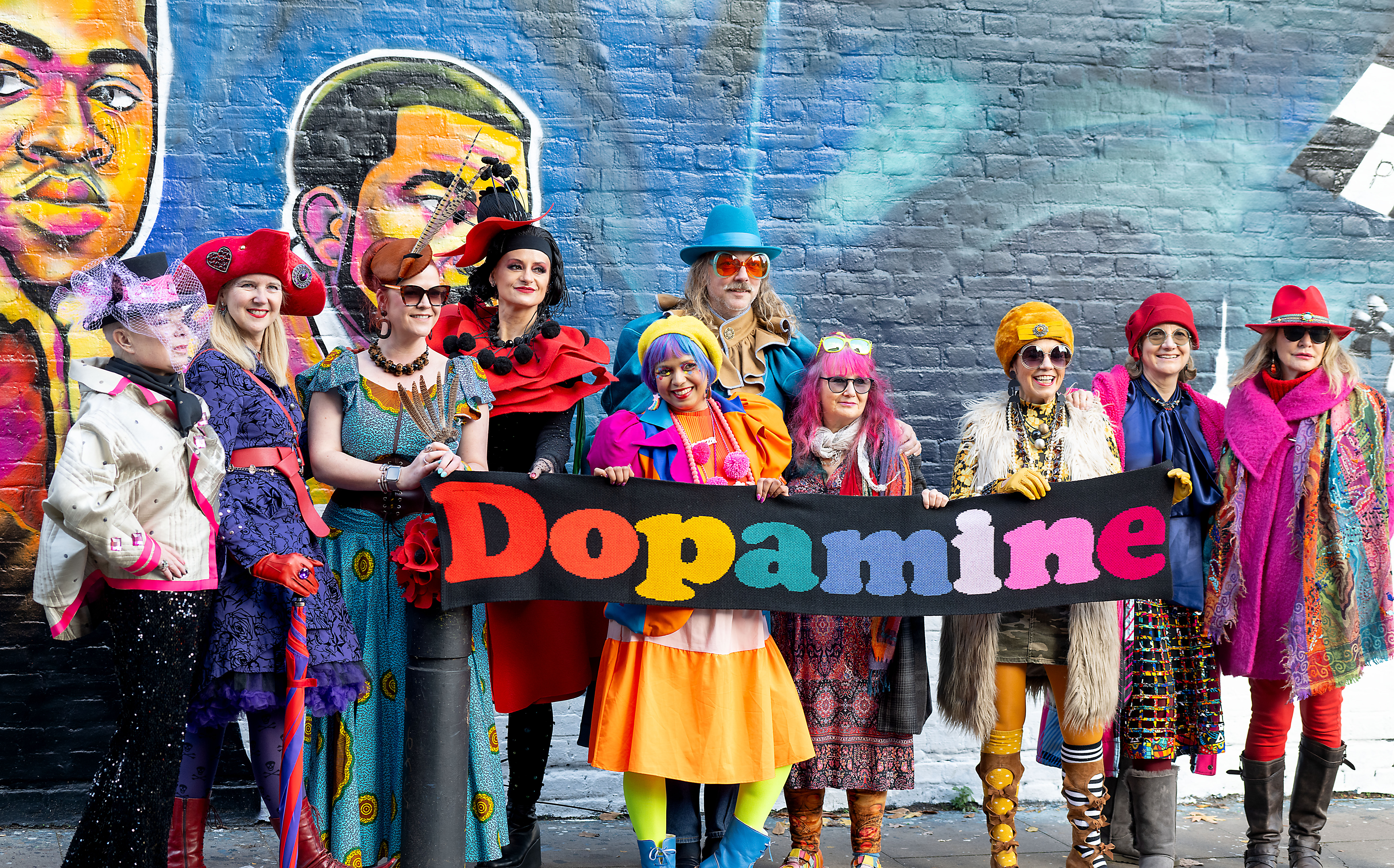
For 2026, we're seeing a resurgence of bold colors and playful patterns. Don't shy away from these trends! Experiment with different shades and prints, and find ways to incorporate them into your wardrobe. Remember, confidence is the most important accessory.
No comments yet. Be the first to share your thoughts!