

Moving past the four-season system
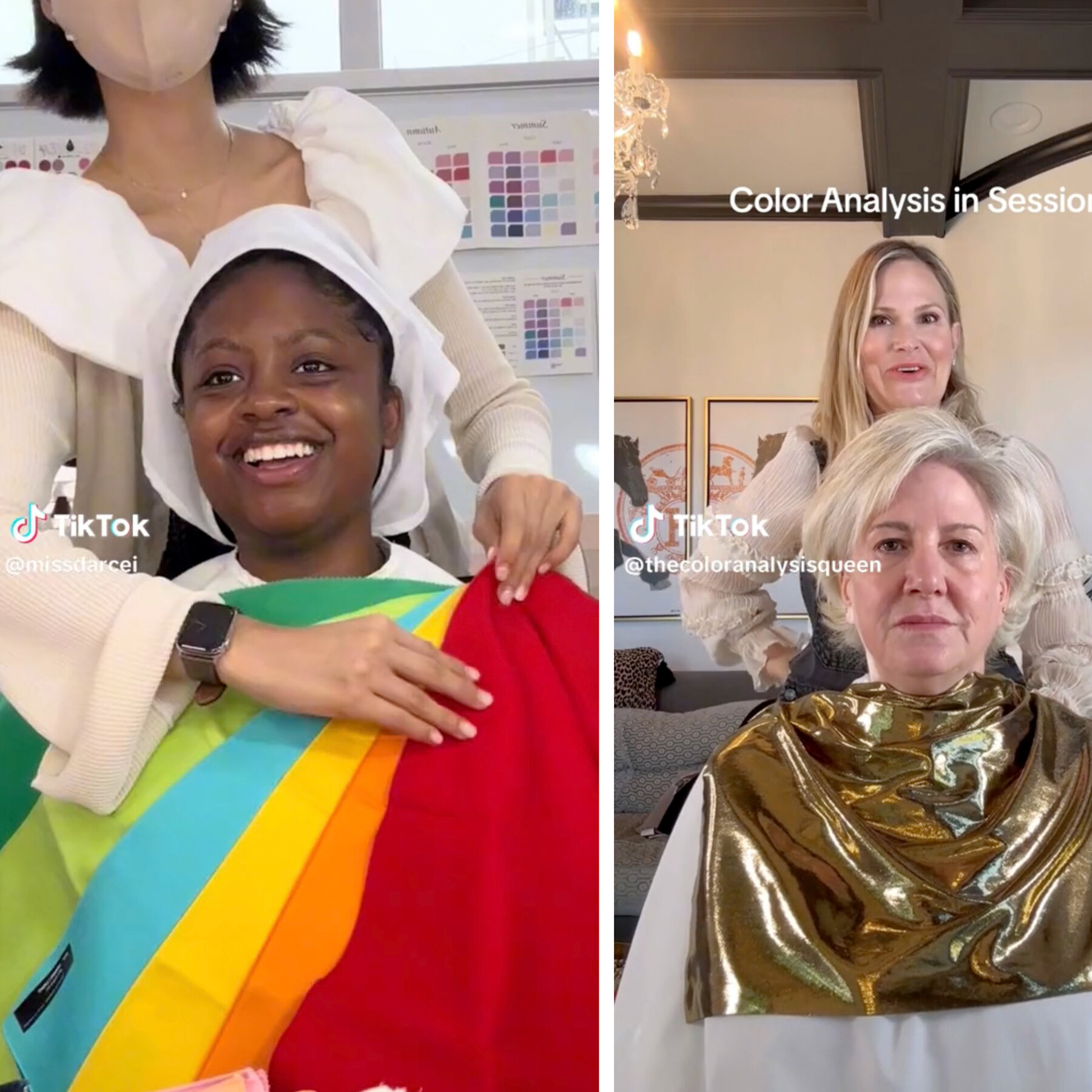
The 1980s gave us the four-season color system: Winter, Spring, Summer, and Autumn. It was a simple way to sort people by skin, hair, and eye color to find their 'best' shades. While it worked for some, the method is too rigid for most of us.
The initial appeal was its simplicity. You were either a Spring, or a Summer, and so on. But this very simplicity is now its biggest drawback. The world isn’t neatly divided into four boxes, and people rarely fit perfectly into one category. Assumptions about ethnicity and coloring were also baked into the original system, often excluding or miscategorizing individuals with diverse appearances.
We’re entering a period of re-evaluation. The rigid rules are starting to feel outdated, and a more nuanced approach is gaining traction. In 2026, we’re seeing a clear shift away from strict seasonal adherence, driven by a growing understanding of undertones and a desire for more personalized style. This isn’t about abandoning color theory, but about refining it for a more inclusive and practical application.
The shift to tonal analysis
The limitations of the four-season system have paved the way for tonal color analysis. This method focuses on identifying whether you lean towards light or deep, and warm or cool. Instead of forcing yourself into a single season, you can pinpoint your specific tone, opening up a much wider range of flattering colors.
A traditional 'Winter' might actually be 'deep cool.' That distinction changes which blues or reds actually work. It's less about broad boxes and more about how light hits your skin.
This approach is gaining significant momentum, largely thanks to educators like Color Class. Their 2025 YouTube video, “4 Seasons Color Analysis in 5 Minutes | Start Here to Find Your Season!” has garnered over 13,000 views, demonstrating a clear demand for more accessible and nuanced color guidance. It’s a fantastic starting point for understanding the core concepts of tonal analysis.
The benefit of tonal analysis is its inclusivity. It’s far more accommodating of diverse skin tones and coloring combinations. Someone who might have felt lost in the traditional system—perhaps with olive skin or mixed heritage—can find a more accurate and empowering assessment with this method. It really is about understanding your individual coloring, not trying to fit a pre-defined mold.
Light, breathable, and perfect for warm weather ⁰Courtney is showing us our pure cotton seersucker — the ultimate fabric for easy, stylish dresses!
— G Street Fabrics & Home Decorating Center (@gstreetfabrics) May 2, 2026
From classic stripes to soft pastels and bold seasonal colors, we’ve got so many options to choose from. Seersucker’s signature… pic.twitter.com/hdtzWbjCKX
Why 2026 colors don't follow the rules
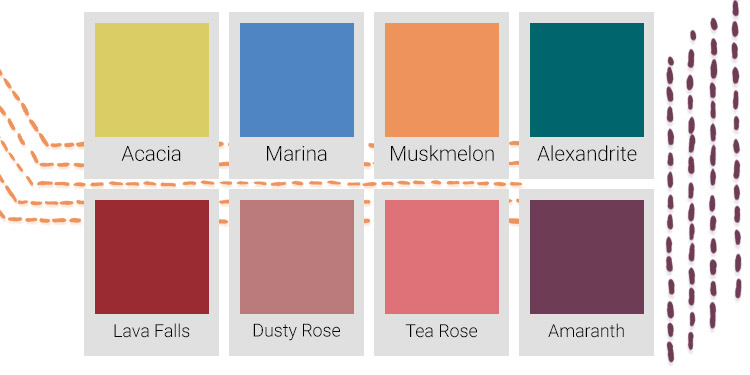
Looking ahead to 2026, the color trends are further reinforcing this move away from strict seasonal rules. We’re seeing a lot of muted tones—dusty rose, olive green, and soft terracotta—that don’t neatly fall into a single seasonal palette. These colors aren’t exclusive to any one season; they can work beautifully across multiple tones.
Traditionally, olive green might have been reserved for Autumns, but in 2026, it’s being styled on everyone. Dusty rose, often associated with Springs, is appearing in collections geared towards Winters and Summers as well. This demonstrates a shift in mindset—away from matching your season, and towards harmonizing with your tone.
The emphasis is on creating balanced and sophisticated looks, rather than strictly adhering to a prescribed color palette. It’s about understanding how colors interact with your undertone and using that knowledge to build a wardrobe that feels authentic and flattering. This is a refreshing change from the often-restrictive rules of the past.
Decoding Your Undertone: A Practical Guide
Determining your undertone—whether you’re warm, cool, or neutral—is the foundation of tonal color analysis. A simple test is the jewelry test: do you look better in gold or silver? Gold tends to flatter warm undertones, while silver complements cool ones. However, this isn’t foolproof; some people look good in both.
The vein test is another useful indicator. Look at the veins on your wrist. If they appear bluish or purple, you likely have cool undertones. If they’re greenish, you probably have warm undertones. If it’s hard to tell, you may have a neutral undertone. Comparing your skin to white versus off-white fabrics can also reveal your undertone—cool undertones often look better with bright white, while warm undertones shine with off-white.
Self-assessment can be tricky, and it's easy to misinterpret the results. It’s often helpful to get a second opinion, or even consider a professional color analysis. While it’s an investment, a professional can provide an accurate assessment and offer personalized guidance. Remember, lighting plays a huge role, so assess your undertone in natural daylight.
A common mistake is assuming your skin tone is your undertone. Your skin tone can change with sun exposure, but your undertone remains constant. Also, don't get hung up on finding the perfect label. It's more important to understand the general direction of your undertone and use that as a guide when choosing colors.
- Check if gold or silver jewelry looks better against your skin.
- Look at your veins: blue or purple usually means cool, while green suggests warm.
- Fabric Test: White vs. Off-White
Body Type & Color: Still Relevant?
The relationship between body type and color has long been a topic of discussion. Certain colors can visually elongate or shorten the body, and can accentuate or minimize specific features. Darker colors tend to have a slimming effect, while lighter colors can create volume. But this advice needs to be viewed through the lens of tonal analysis.
For example, a pear-shaped individual with warm undertones might be advised to wear darker colors on their lower body. However, if they're a "Spring" with a warm tone, a vibrant coral or peach could be incredibly flattering, even on their hips. The key is to balance the principles of body type styling with the principles of color harmony.
Color Posh’s body type guides offer valuable insights into dressing for your shape. However, remember that color choice should ultimately be about personal preference and confidence. Don’t be afraid to experiment and wear what makes you feel good, regardless of the 'rules'. The goal is to enhance your natural beauty, not to hide your shape.
Color & Form Explorations
- Spring Warm & Petite Frames – Often benefiting from light, airy fabrics like those found in J.Crew’s linen collection, consider soft corals, peach, and light yellows. While traditionally advised against darker shades, a well-fitted navy blazer from Everlane can provide structure without overwhelming.
- Summer Cool & Hourglass Figures – Classic silhouettes like wrap dresses from Reformation in shades of dusty rose, lavender, or periwinkle often enhance curves. The emphasis is shifting *away* from strict color avoidance; a charcoal grey cashmere sweater from Naadam can be a beautiful addition.
- Autumn Warm & Athletic Builds – Earth tones remain flattering – think olive greens, rusts, and warm browns, readily available at Madewell. However, don’t shy away from richer jewel tones like teal; a silk blouse from Equipment in this shade can add depth.
- Winter Cool & Pear Shapes – Traditionally, bright, cool tones like cobalt blue and fuchsia (seen in many offerings from Zara) are suggested. Increasingly, the focus is on balance; a well-structured A-line skirt in a deep burgundy paired with a cream-colored sweater can be incredibly effective.
- Spring Warm & Inverted Triangle Shapes – While pastels are often associated with Spring, don’t discount the power of bolder colors. A bright daffodil yellow cardigan from Lands’ End can balance broader shoulders, and a wider-leg trouser in a complementary shade adds volume below.
- Summer Cool & Rectangle Shapes – Soft, flowing fabrics from Eileen Fisher in shades of seafoam green, grey, or lavender can create the illusion of curves. Experiment with layering – a lightweight denim jacket from Gap can add dimension.
- Autumn Warm & Apple Shapes – Colors like terracotta, mustard yellow, and deep forest green (available at Anthropologie) can be incredibly flattering. The current trend is to emphasize fit over rigid color rules; a well-tailored blazer from Ann Taylor can create a defined waist.
- Winter Cool & Tall, Slender Frames – Traditionally, high contrast is recommended – black and white, or jewel tones. However, monochromatic looks in shades of charcoal grey or deep navy (available at Nordstrom) can be equally striking. Don’t be afraid to play with texture!
Will AI change how we pick colors?
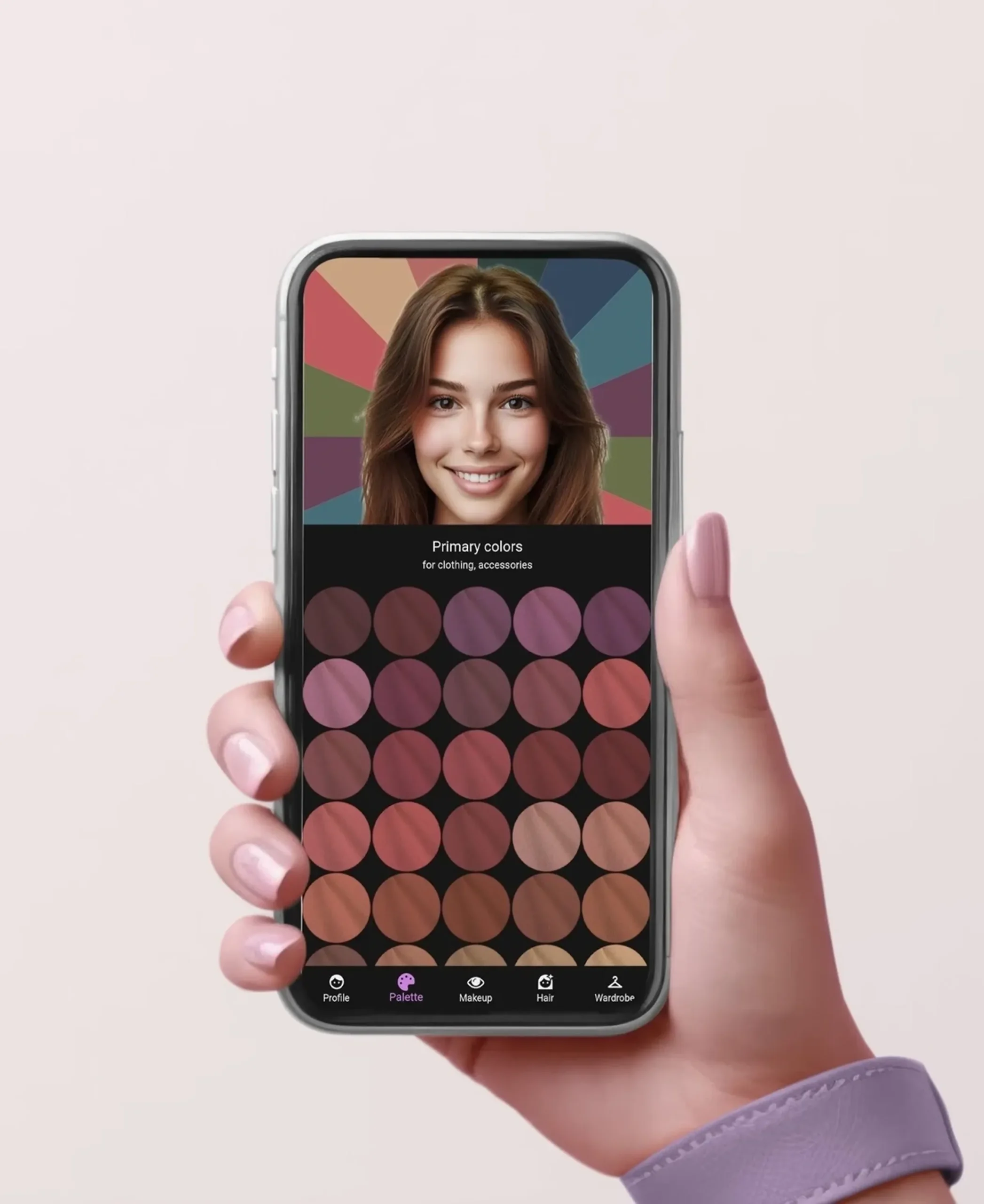
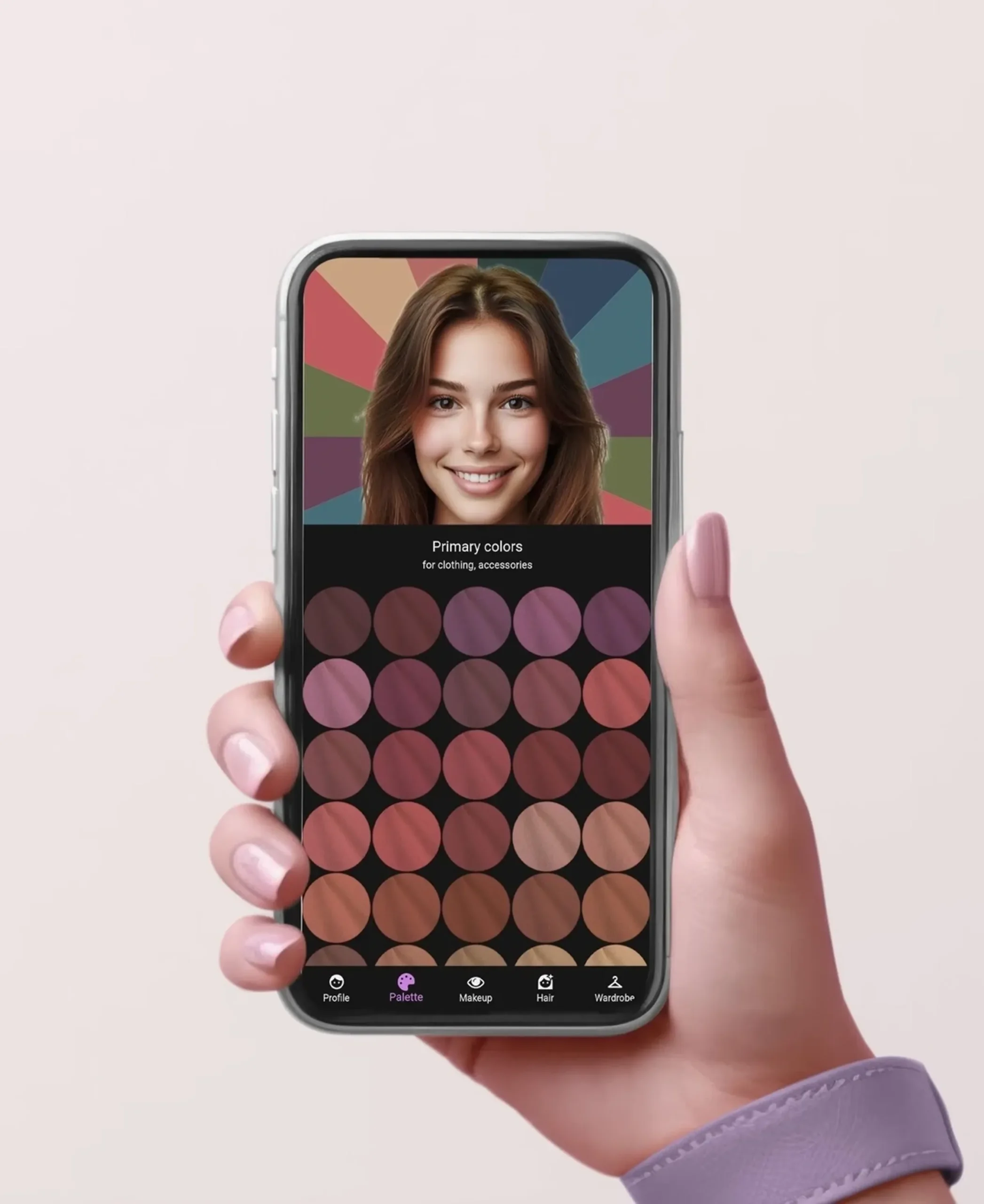
The future of color analysis is likely to be shaped by technology. We’re already seeing the emergence of AI-powered tools that can analyze your skin tone and recommend flattering colors. These tools have the potential to make color analysis more accessible and personalized than ever before.
Imagine an app that can scan your face and instantly identify your undertone, or a virtual stylist that can create outfits based on your coloring and body type. While these technologies are still in their early stages, they represent a significant step towards a more individualized approach to style. The data from these tools could also reveal broader trends and insights into color preferences.
Ultimately, however, the most important factor is understanding your own preferences and experimenting with different colors. Color theory is a guide, not a set of rules. Don’t be afraid to break the mold and wear what makes you feel confident and beautiful. The increasing inclusivity and flexibility of color theory is empowering us to express ourselves more authentically than ever before.
No comments yet. Be the first to share your thoughts!