

Color analysis moves into 3D
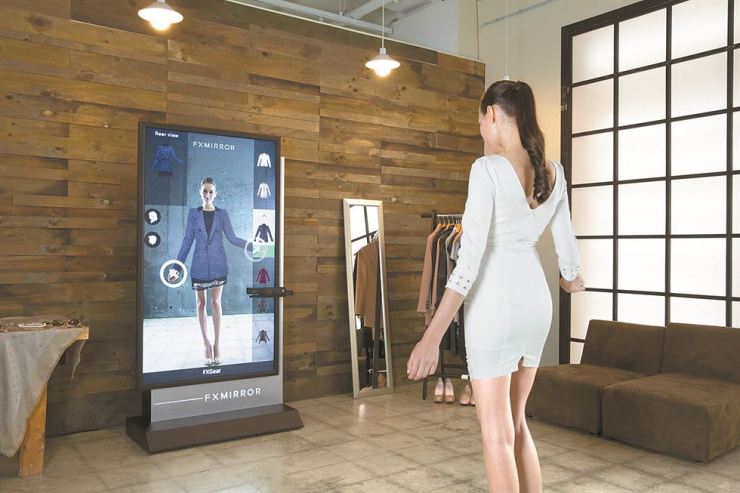
Finding clothes that actually look good is usually a guessing game. Old-school color draping and 2D online quizzes can't show how a fabric reacts to your specific skin tone and shape. VR changes this by letting you see the interaction in a 3D space.
The core promise of VR fitting is a truly personalized experience. It moves beyond static images and generalized recommendations to create a dynamic, three-dimensional representation of you. This allows for a far more nuanced understanding of how color harmonies – or clashes – actually appear on your body. It’s about seeing, not just imagining, how a garment will look.
You can see exactly how a teal silk drapes over your shoulders or if a cropped jacket clashes with your undertones. A flat screen is a lie; 3D models show the truth. I've found that seeing the garment move on a digital twin removes the anxiety of 'will this fit' before you hit the buy button.
Finding your season with light simulation
VR technology is adept at replicating the fundamental principles of traditional color analysis. This includes the core concepts of seasonal color theory – Spring, Summer, Autumn, and Winter – but with a level of precision previously unattainable. The technology doesn’t just identify a season; it analyzes your coloring with a degree of nuance that accounts for individual variations.
A significant advantage of VR is its ability to dynamically adjust lighting conditions. A color that appears perfect in bright sunlight might look washed out under fluorescent lights. VR environments can simulate different times of day and various lighting scenarios, allowing for a more accurate assessment of color perception. This is especially important considering how drastically lighting impacts the way colors appear on skin.
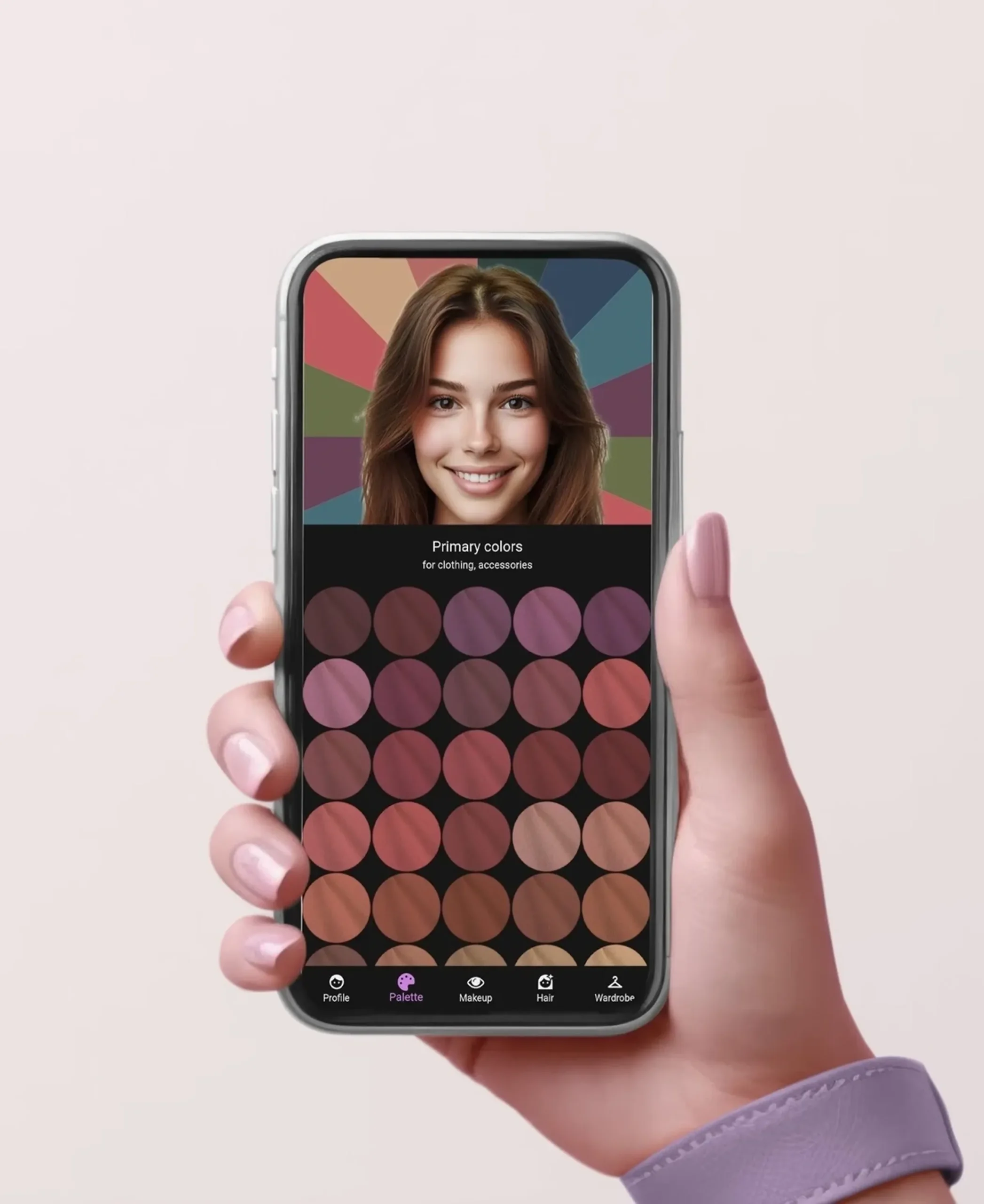
Accurately assessing skin undertones – whether warm, cool, or neutral – is crucial for effective color analysis. VR systems can utilize advanced sensors and algorithms to analyze skin color with remarkable accuracy, often exceeding the capabilities of the human eye. Kate Stoltzfus’s Lancaster Color Analysis is widely respected for its precision, and the goal of VR fitting is to achieve a comparable level of accuracy, and perhaps even surpass it.
- Seasonal theory now uses 12-tone precision rather than just the basic four seasons.
- Skin Undertones: Warm, Cool, Neutral
- Dynamic Lighting: Simulation of different environments
Discover Your Color Season: A First Look
Virtual Reality is revolutionizing color analysis, but you can start exploring your likely color season *now* with this quick quiz! Remember, this is a preliminary guide. The most accurate analysis comes from a professional or advanced VR fitting. This quiz focuses on observable characteristics to give you a probability range across the four seasons: Winter, Spring, Summer, and Autumn. Answer honestly to get the most insightful results.
How fabric drapes on real bodies
Standard sizing is notoriously inconsistent and often fails to account for the incredible diversity of human bodies. VR fitting moves beyond these limitations by accurately capturing body measurements and creating a personalized 3D avatar. This avatar is not simply a scaled-up or scaled-down version of a generic model; it's a precise representation of your unique form.
The technology doesn't stop at basic measurements. It accounts for individual body proportions – shoulder width, waist-to-hip ratio, leg length – all of which significantly impact how clothing fits and flatters. This is where the insights from guides like Color Posh's Body Shape Styling for Gen Alpha become particularly relevant. Understanding whether you're a Rectangle, Pear, or Apple body type is essential for choosing styles that accentuate your best features.
Crucially, VR can simulate the drape and fit of different fabrics and styles on your avatar. You can virtually "try on’ clothes and see how they move with your body, revealing whether a garment will cling in unwanted areas or create a flattering silhouette. It allows you to visualize the effect of different cuts, fabrics, and patterns before making a purchase. This provides a level of confidence that"s impossible to achieve with traditional shopping methods.
Personalizing your digital wardrobe
VR fitting isn't just about color and body shape; it's about understanding your overall personal style. The technology can analyze your past purchases, social media activity, or user input to build a profile of your preferences. This allows it to curate outfits and suggest complementary accessories that align with your taste.
Imagine a VR environment that learns your favorite brands, colors, and silhouettes. It could then present you with a selection of outfits tailored specifically to your style, allowing you to virtually "try them on’ and see how they look. This level of personalization goes far beyond what"s currently possible with traditional online shopping.
The potential for virtual styling sessions with human stylists is also significant. A stylist could remotely access your avatar and provide personalized advice, offering a level of expertise and guidance that's currently only available in brick-and-mortar stores. This hybrid approach – combining the convenience of technology with the expertise of a human stylist – could revolutionize the way we shop.
- Style Analysis: Based on purchase history, social media, and user input
- Curated Outfits: Personalized recommendations tailored to your preferences
- Stylists can join your VR session to pin and tuck virtual garments in real-time.
House of Colour & the Future of Virtual Style
Established color analysis companies like House of Colour are actively exploring how to integrate VR technology into their services. Their expertise in color theory and image consulting is invaluable as this technology evolves. We're likely to see partnerships between tech companies and style consultants, combining the strengths of both.
House of Colour, for example, could leverage VR to offer virtual color analysis sessions, allowing clients to experience the benefits of their expertise from the comfort of their own homes. This would expand their reach and make their services more accessible to a wider audience. The key will be maintaining the accuracy and personalization that define their brand.
By 2026, we expect virtual fashion shows where you can swap the runway model for your own avatar mid-stream. Digital wardrobes will likely sync with your calendar to suggest outfits based on the weather and your specific color palette. It is a practical shift in how we get dressed every morning.
Style Archetypes & VR Refinement
- Classic - Defined by timeless elegance and understated sophistication. Focuses on well-tailored pieces and neutral color palettes. VR can simulate how different fabric weights and cuts (e.g., a J.Crew Parke Blazer in navy versus a lighter linen version) drape on your specific body shape, ensuring a perfect fit.
- Romantic - Emphasizes softness, femininity, and flowing silhouettes. Often incorporates floral prints, pastel colors, and delicate fabrics. VR allows you to visualize how ruffles, draping (like in a Reformation Winslow Dress), and embellishments interact with your body’s curves and proportions.
- Dramatic - Bold, powerful, and attention-grabbing. Features strong lines, high contrast, and luxurious materials. VR can help determine the optimal length of a coat (e.g., a Max Mara belted coat) or the impact of wide-leg trousers on your overall silhouette, maximizing the dramatic effect.
- Bohemian - Relaxed, free-spirited, and eclectic. Incorporates natural fabrics, earthy tones, and vintage-inspired pieces. VR can assist in layering different textures and prints (think Free People embroidered kimonos over a simple Everlane tank dress) to achieve a harmonious, yet individualistic look.
- Natural - Comfortable, effortless, and grounded. Prioritizes practicality and relaxed fits, often featuring neutral colors and natural fibers. VR can demonstrate how different levels of structure in a garment (e.g., a L.L.Bean chamois shirt versus a more fitted Patagonia Better Sweater) affect your perceived body shape.
- Gamine - Playful, quirky, and youthful. Combines contrasting elements and often features cropped lengths and bold accessories. VR can help visualize the impact of color-blocking (using a Madewell cropped jacket and a contrasting skirt) and proportions on your frame, ensuring a balanced and energetic style.
- Sophisticated - Polished, refined, and elegant, but with a modern edge. Often features tailored separates in neutral tones with subtle pops of color. VR can assist in assessing the impact of subtle details like lapel width (on a Theory blazer) or the shape of a handbag on your overall impression.
Privacy and hardware costs
While the potential benefits of VR fitting are significant, it’s important to acknowledge potential drawbacks. Privacy concerns related to body scanning and data collection are paramount. Users need to be assured that their personal information is being protected and used responsibly. Clear and transparent data policies are essential.
Accessibility is another crucial consideration. The cost of VR headsets can be a barrier to entry for many consumers. Furthermore, some individuals may experience motion sickness or discomfort while using VR technology. Inclusive design is vital to ensure that VR fitting is accessible to everyone, regardless of their physical abilities or financial resources.
Overcoming these challenges will require a concerted effort from technology developers, fashion brands, and policymakers. By prioritizing privacy, accessibility, and inclusivity, we can ensure that VR fitting becomes a valuable tool for empowering individuals to express their personal style with confidence.
No comments yet. Be the first to share your thoughts!