

The environmental cost of our closets
The fashion industry uses about 79 billion cubic meters of water every year, based on UN Environment Programme data. Most of what we buy ends up in a landfill. We need to change how we build our closets if we want to stop that cycle.
But sustainability isn’t solely about what our clothes are made of. It’s about how long we keep them, and how often we replace them. This is where color theory enters the picture. A well-planned wardrobe, built around a color palette that truly suits you, is a wardrobe you’ll love for years, not just a season.
Too often, we buy clothes impulsively, drawn to trends or fleeting fads. These pieces often don’t integrate well with the rest of our existing clothing, and quickly end up unworn. By understanding your personal color palette and building a capsule wardrobe around it, you can create a collection of clothes that are versatile, harmonious, and – crucially – that you’ll actually want to wear, time and time again. This is a move away from disposability and towards a more mindful approach to fashion.
I use color theory to make sustainability easier. When you know which shades actually look good on you, you stop buying random items that don't match anything else you own. Here is how to find those colors and the fabrics that last.
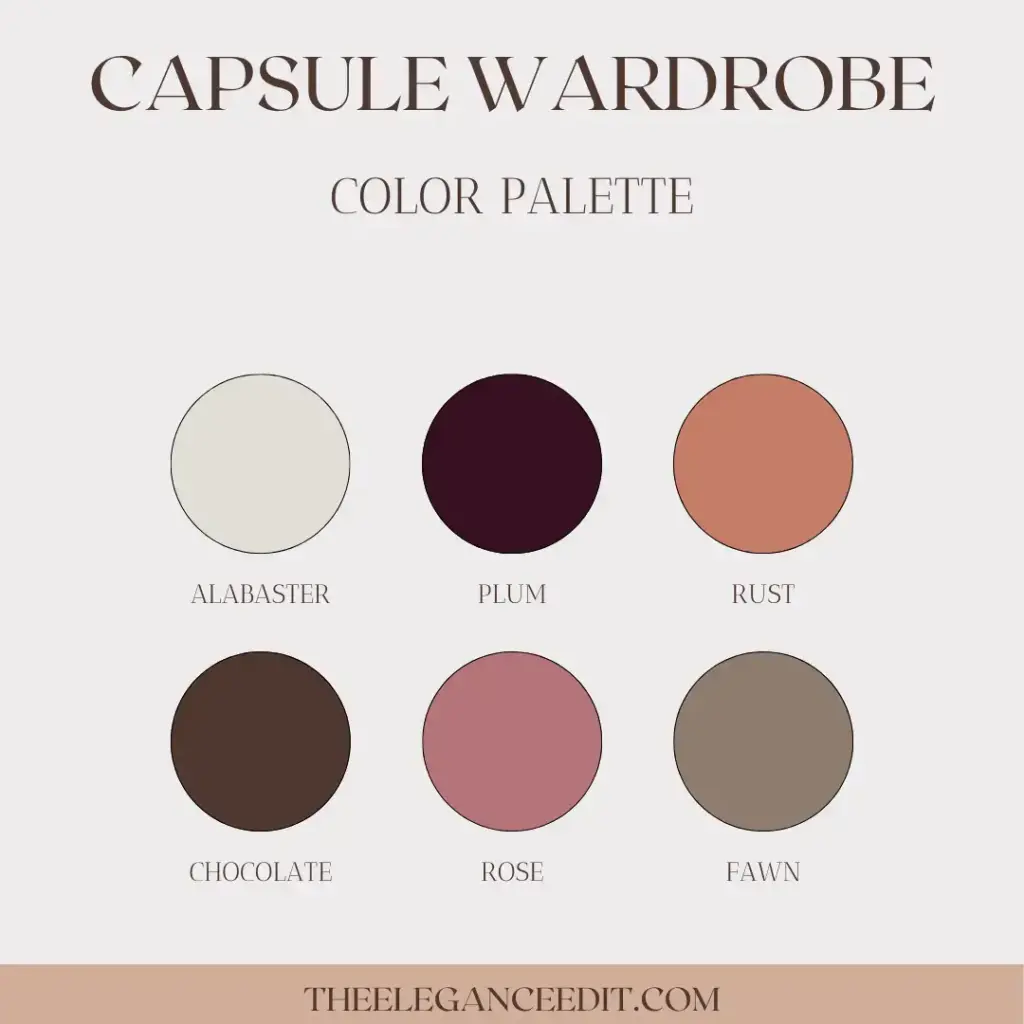
Finding your seasonal palette
The concept of seasonal color analysis has been around for decades, popularized by Carole Jackson in the 1980s. It's based on the idea that certain colors harmonize best with your natural coloring – your skin tone, hair color, and eye color. There are four main seasons: Spring, Summer, Autumn, and Winter, each with a distinct set of characteristics.
Spring palettes are characterized by warm undertones and light to medium value. Think bright, clear colors like peach, coral, light greens, and golden yellows. Spring coloring typically includes fair skin with warm undertones, blonde or light brown hair, and blue or green eyes. A celebrity example would be Goldie Hawn – she radiates a Spring-like warmth.
Summer palettes also feature cool undertones, but with a softer, more muted value. Colors like dusty rose, lavender, powder blue, and seafoam green are flattering. Summer types usually have fair to medium skin with cool undertones, ash blonde or light brown hair, and blue, gray, or green eyes. Think of someone like Kate Middleton – her coloring is classically Summer.
Autumn palettes are defined by warm undertones and rich, earthy colors. Olive green, rust, mustard yellow, and chocolate brown are all excellent choices. Autumn coloring often includes golden or warm-toned skin, red or auburn hair, and brown or hazel eyes. Julianne Moore is a perfect example of an Autumn type.
Finally, Winter palettes are characterized by cool undertones and high contrast. Bold, dramatic colors like black, white, navy, and jewel tones are incredibly flattering. Winter types generally have fair to olive skin with cool undertones, dark hair, and dark eyes. Consider someone like Cate Blanchett – she can pull off the most striking colors with ease.
Discover Your Seasonal Color Palette!
Embarking on a sustainable wardrobe starts with understanding which colors harmonize best with *you*. This quick quiz will help determine your seasonal color palette – whether you lean towards Spring, Summer, Autumn, or Winter – guiding you towards more flattering and versatile clothing choices. Knowing your season allows you to build a capsule wardrobe with pieces you’ll truly love and wear, reducing impulse buys and textile waste.
Sustainable fabrics and dye
Choosing sustainable fabrics is a fundamental step in building an eco-friendly wardrobe. Organic cotton, grown without harmful pesticides and fertilizers, is a popular choice. Linen, made from flax plants, is another excellent option – it requires less water and fewer chemicals than cotton. Hemp is incredibly durable and fast-growing, making it a highly sustainable fiber. Tencel (lyocell) is made from wood pulp and produced in a closed-loop system, minimizing waste.
Recycled polyester keeps plastic bottles out of landfills, but it still sheds microplastics in the wash. I suggest using a filter bag like a Guppyfriend to catch them. These synthetic fibers also take dye differently than natural ones, which affects how long the color stays bright.
Natural dyes, derived from plants, insects, and minerals, offer a more environmentally friendly alternative to synthetic dyes. However, they often have lower colorfastness – meaning the color can fade more quickly with washing and exposure to sunlight. Achieving vibrant, long-lasting colors with natural dyes can be a challenge, and often requires multiple dye baths and mordants (substances that help the dye bind to the fabric).
While natural dyes aren't always as bright as their synthetic counterparts, they offer a unique depth and subtlety of color. They also tend to be gentler on the skin and less harmful to the environment. It’s a trade-off, but one that many are willing to make for a more sustainable wardrobe.
Building Blocks: The Neutral Base
A strong capsule wardrobe begins with a foundation of versatile neutral pieces. These are the workhorses of your closet, providing a blank canvas for your accent colors and allowing you to create a multitude of outfits. But "neutral’ doesn"t mean one-size-fits-all. The right neutrals depend entirely on your seasonal palette.
For Winter palettes, classic black is a fantastic choice, alongside charcoal gray, navy, and crisp white. These shades provide a striking contrast against your coloring. Summer palettes will shine in softer neutrals like dove gray, powder blue, and off-white. Avoid harsh blacks and stark whites, which can overwhelm your delicate coloring.
Autumn palettes look best in warmer neutrals such as olive green, chocolate brown, camel, and cream. These earthy tones complement your rich coloring beautifully. Spring palettes can embrace stone, beige, light khaki, and ivory. Steer clear of cool-toned grays and blacks, which can wash you out.
Essential neutral pieces include well-fitting pants (consider wide-leg trousers or classic chinos), a versatile skirt (pencil, A-line, or midi), a classic white or cream shirt, a neutral-colored blazer, and a timeless trench coat. Invest in quality fabrics that will last – these are the pieces you’ll be wearing for years to come.
Adding accent colors
Once you’ve established your neutral base, it’s time to introduce accent colors. These are the pops of color that add personality and interest to your outfits. Again, the best accent colors depend on your seasonal palette. Coolors.co is a fantastic resource for exploring color palettes, but it's best to curate those results with sustainability in mind.
Spring palettes can embrace bright, cheerful accent colors like coral, peach, turquoise, and golden yellow. Try pairing a stone-colored blazer with a coral silk scarf, or a khaki skirt with a turquoise top. Summer palettes will look stunning in muted accent colors like lavender, rose pink, seafoam green, and powder blue. A dove gray dress paired with a lavender cardigan is a classic Summer look.
Autumn palettes can incorporate rich, earthy accent colors like olive green, rust, mustard yellow, and burgundy. Consider pairing a chocolate brown sweater with a rust-colored scarf, or a camel coat with a burgundy hat. Winter palettes can rock bold, dramatic accent colors like ruby red, sapphire blue, emerald green, and fuchsia. A black dress paired with a ruby red belt is a powerful Winter statement.
Don’t be afraid to experiment with color combinations. A helpful tool is the color wheel. Complementary colors (opposite each other on the wheel, like blue and orange) create a striking contrast, while analogous colors (next to each other on the wheel, like blue and green) create a harmonious look. Layering is also key – a brightly colored scarf or cardigan can instantly transform a neutral outfit.
Seasonal Palettes, Accent Colors, Outfit Examples & Sustainability Scores (2026)
| Seasonal Palette | Suggested Accent Colors | Outfit Combination Example | Sustainability Score |
|---|---|---|---|
| Spring | Coral, Mint Green, Sky Blue, Peach | Cream linen trousers, a coral knit top, and a light denim jacket. | Medium |
| Summer | Dusty Rose, Lavender, Seafoam Green, Soft Grey | Wide-leg navy pants, a lavender blouse, and a light grey cardigan. | Medium |
| Autumn | Olive Green, Mustard Yellow, Rust Orange, Chocolate Brown | Dark wash jeans, an olive green sweater, and a rust-colored scarf. | Low |
| Winter | Cherry Red, Cobalt Blue, Emerald Green, Charcoal Grey | Black tailored trousers, a cobalt blue silk shirt, and a charcoal grey coat. | Low |
| Light Spring | Apricot, Sage Green, Periwinkle, Pale Yellow | White denim jeans, an apricot-colored t-shirt, and a sage green bomber jacket. | Medium |
| True Summer | Mauve, Slate Blue, Teal, Dove Grey | Grey wide-leg trousers, a teal knit top, and a mauve cardigan. | Medium |
| Dark Autumn | Terracotta, Forest Green, Burgundy, Deep Brown | Dark brown corduroy pants, a forest green flannel shirt, and a terracotta vest. | Low |
| Cool Winter | Fuchsia, Royal Blue, Pine Green, Black | Black cigarette pants, a fuchsia blouse, and a royal blue blazer. | Low |
Illustrative comparison based on the article research brief. Verify current pricing, limits, and product details in the official docs before relying on it.
Caring for Color: Extending Garment Life
Preserving the color of your clothes is essential for extending their lifespan and reducing waste. Wash clothes in cold water whenever possible, as hot water can cause colors to fade. Turn clothes inside out before washing to protect the outer surface. Use an eco-friendly laundry detergent that’s free of harsh chemicals.
Avoid using the dryer whenever possible, as the heat can damage fibers and cause colors to fade. Instead, hang clothes to dry in a shady spot. When storing clothes, keep them away from direct sunlight, which can also cause fading. Use padded hangers to prevent stretching and distortion.
Learn basic repair skills, such as sewing on buttons and mending small tears. Upcycling old clothes is another great way to reduce waste and give your wardrobe a new lease on life. A simple alteration can transform a dated garment into something fresh and stylish.
- Stick to cold water to prevent fading.
- Turn clothes inside out
- Use eco-friendly detergent
- Air dry instead of using a dryer
- Store clothes away from sunlight
- Learn basic repair skills
Where to Shop: Sustainable Brands
Finding sustainable brands that offer a range of colors and styles can take some research. People Tree is a pioneer in fair trade fashion, offering a colorful collection of organic cotton clothing. Their price point is generally moderate, around $80-$150 per item.
Eileen Fisher is known for its timeless designs and commitment to sustainability. They use organic and recycled materials, and offer a Renew program where you can trade in your old Eileen Fisher clothes for store credit. Prices are higher, typically $150-$400 per item.
Pact focuses on affordable organic cotton basics. They offer a wide range of colors and styles, making it easy to build a capsule wardrobe. Prices are very accessible, generally under $100 per item. Kotn is another brand focusing on Egyptian cotton basics, with a similar price point to Pact.
Thought Clothing (formerly Braintree Clothing) offers a beautiful selection of clothing made from bamboo, organic cotton, and hemp. They have a unique aesthetic and a commitment to ethical production. Prices range from $70-$200 per item. Remember to check a brand’s certifications and transparency reports to ensure they are truly committed to sustainability.


No comments yet. Be the first to share your thoughts!