

Beyond the Drapes: AI's Color Shift
Color analysis traditionally uses physical drapes – fabrics held up to the face to determine complementary hues. This method, while effective, has been inaccessible to many due to cost and location. Now, AI-powered personal style apps are changing this.
This service, once a luxury, is now accessible to more people. Many struggle with closets full of clothes that don't feel right, colors that wash them out, or outfits that lack cohesion. Color analysis offers a practical solution for simplifying style choices.
Advancements in image processing and machine learning allow these apps to offer more personalized and consistent analysis than traditional methods, which were subject to human interpretation and bias. AI offers objectivity and scale, providing a new level of precision.
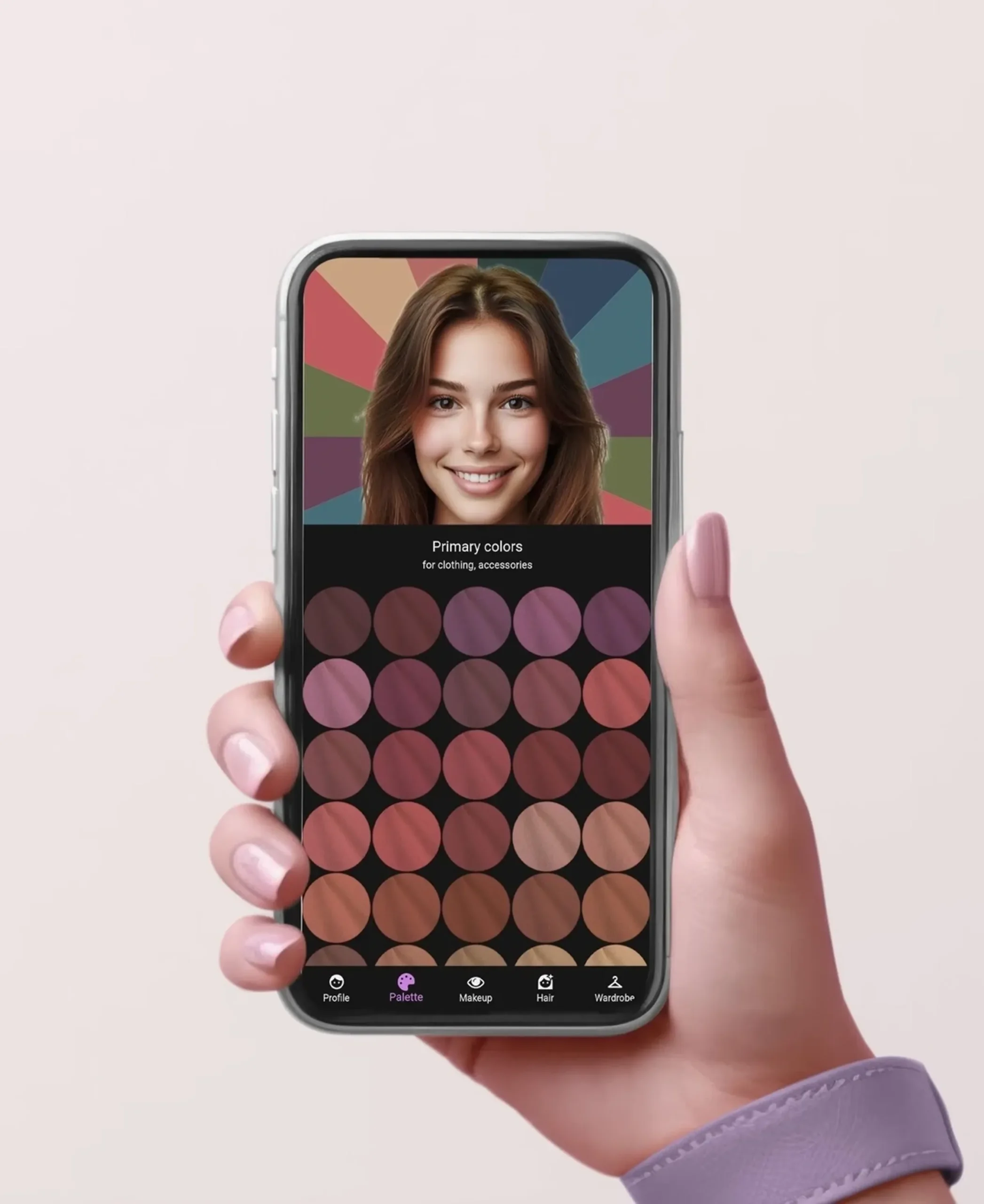
The Algorithms Are Watching: How AI Analyzes You
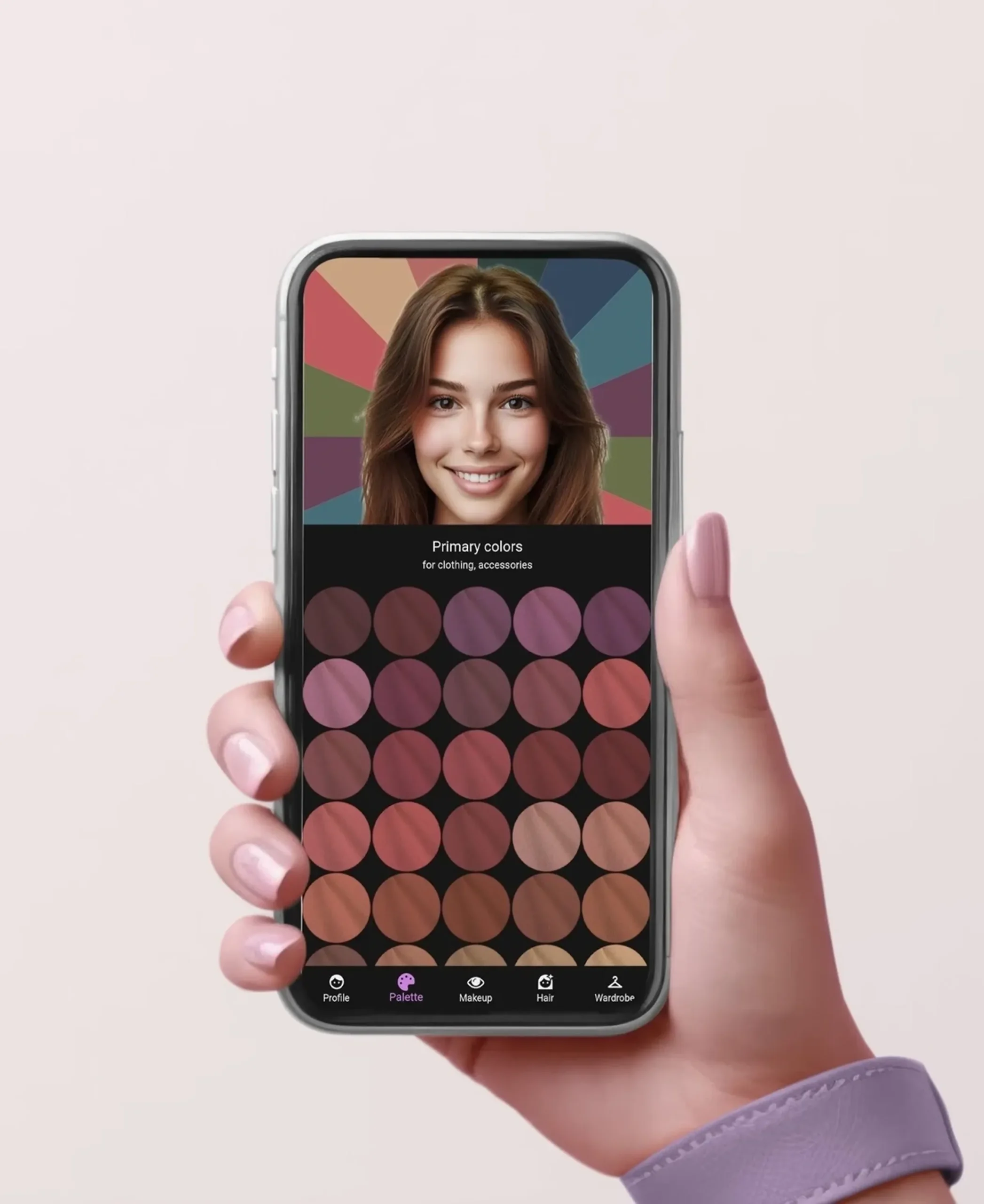
These apps use computer vision and facial recognition to analyze key features of your face and skin. The algorithms assess undertones, contrast level, and skin chroma (color intensity).
The AI is trained on large, diverse image datasets to correlate facial characteristics with color seasons. Dataset quality and diversity are critical for accurate results, especially across various skin tones. Developers are continuously improving these algorithms.
Analyzing live video offers more accuracy than static photos, as it accounts for subtle lighting and skin tone changes. Consistent lighting, such as diffused natural light from a window, is still essential for optimal results.
Colorwise, MyColorsPop, and the New Players
The AI color analysis market is expanding, with Colorwise.me as a leading example. It offers detailed AI analysis, helps build capsule wardrobes, and features a user community for sharing tips.
MyColorsPop (mycolorspop.com) offers a visual experience, letting users upload multiple photos to compare results under different lighting. Its 'Picture to Palette' feature analyzes image colors and suggests complementary wardrobe shades, appealing to visually-oriented users.
Emerging apps are finding niches, with some focusing on specific skin tones or ethnicities for better accuracy. Others combine AI analysis with stylist consultations. House of Colour USA, for example, blends traditional in-person services with technology.
Consider apps offering add-on personal stylist consultations. While AI provides a starting point, a human stylist can offer personalized advice for concerns an algorithm might miss. Prices vary, so compare options before committing.
Decoding Your Digital Palette: What Do the Results Mean?
AI color analysis apps typically categorize results into four seasons: Winter, Spring, Summer, and Autumn. These are based on skin undertones (cool or warm) and the contrast between skin, hair, and eyes. Sub-seasons like "True Winter’ or ‘Soft Autumn" offer more specific recommendations.
These seasons are guidelines, not strict rules. Use your palette as a framework for informed clothing choices, aiming to enhance your natural features rather than restrict your style. Your palette indicates colors that will generally make you look brighter and healthier.
Color analysis isn't about avoiding colors entirely. Less flattering hues can still be used as accents or statement pieces. Understanding how colors interact with your complexion helps create balanced outfits. Consider wearing less flattering colors away from your face, like in shoes or bags.
Unlock Your Initial Color Season: A Quick Guide
AI-powered apps are changing how we approach color analysis, offering a convenient first step towards discovering your best shades. This quiz provides a *very* rough initial guess based on your natural coloring. Remember, this is not a substitute for a professional color analysis, which considers nuance and draping. Let's begin!
Wardrobe Rehab: Integrating AI Insights
With your digital palette, the next step is building a capsule wardrobe of versatile, interchangeable pieces in your best colors. Identify existing items that align with your palette as foundation pieces.
Assess which items clash with your coloring. Don't keep clothes that make you feel washed out; consider donating or reselling them. The goal is intentional purchasing, not discarding everything.
When shopping, prioritize core palette colors and neutrals like navy, charcoal grey, camel, or olive green. These form the building blocks for mixing and matching with accent pieces. The Concept Wardrobe provides a guide to color seasons and wardrobe building.
Accessories like scarves, jewelry, and belts are great for incorporating your best colors. Color analysis also applies to makeup; choosing blush, lipstick, or eyeshadow that complements your undertones enhances your appearance.
Beyond the App: Combining AI with Human Expertise
AI color analysis is a useful tool, but it doesn't replace professional color stylists. Stylists offer a more comprehensive experience, assessing coloring in real-time with physical drapes to confirm seasons and address nuances apps might miss.
Stylists consider lifestyle, preferences, and body type to recommend specific shades and fabrics, creating a wardrobe that reflects your unique style. AI offers a starting point, while a stylist refines the analysis.
Professional draping verifies AI results. While subjective, it offers a deeper understanding of color interactions with skin tone and features. AI acts as an assistant, while a stylist orchestrates a flattering wardrobe.
The Future of Color: What’s Next for AI Style?
AI color analysis will continue to evolve with virtual try-on technology for seeing colors before purchase. Personalized shopping recommendations based on color palette and style preferences will also become more common.
More sophisticated algorithms, capable of analyzing not only your skin tone but also your hair color, eye color, and even your facial structure, are on the horizon. These advancements could lead to even more accurate and personalized results. The quality of image datasets will continue to improve, addressing the limitations of current systems.
However, it’s also important to consider the ethical implications of using facial recognition technology. Ensuring data privacy and avoiding bias in algorithms are crucial challenges that developers must address. As AI becomes more integrated into our lives, responsible development and deployment will be paramount.
How likely are you to use an AI-powered color analysis app in the next year?
Vote below and share how open you are to using AI tools for personal color analysis and wardrobe planning.

No comments yet. Be the first to share your thoughts!