

The shift toward lasting style
Fashion is experiencing a significant course correction. After years of relentless fast fashion cycles, there’s a growing desire for clothing that feels more personal, more enduring. We're seeing a return to classic silhouettes and a deliberate move away from chasing fleeting trends. It’s not about what's "in" right now, but what genuinely feels good to wear and reflects individual style.
This shift extends to how we approach color. The days of rigidly following seasonal Pantone colors are fading. Instead, people are realizing the power of understanding their own coloring and building a wardrobe based on harmony. It's less about replicating runway looks and more about creating a cohesive and flattering palette for your life.
The focus is undeniably on sustainability—both in terms of garment quality and the longevity of style. This means investing in pieces that will remain relevant for years, not just a single season. Color plays a huge role in that longevity. A thoughtfully curated color palette ensures everything in your wardrobe works together, maximizing versatility and minimizing waste. This is where timeless color theory comes in.
We’re entering an era where a well-chosen color scheme is the foundation of a truly stylish and sustainable wardrobe. It’s about building a collection of clothes you love, that love you back, and that you’ll wear for years to come.
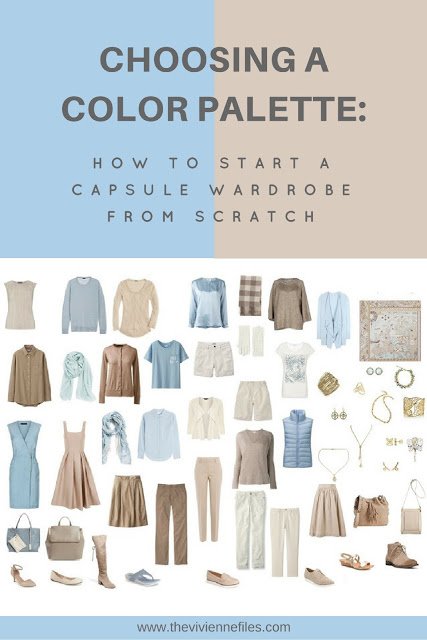
Finding your seasonal palette
The concept of seasonal color analysis has been around for decades, but it remains a surprisingly effective tool for understanding which colors will make you look and feel your best. The four main seasons—Spring, Summer, Autumn, and Winter—are based on the qualities of light and nature, and they correlate to different skin undertones, hair colors, and eye colors.
Spring types generally have warm undertones, fair skin, and light-colored hair (blonde, strawberry blonde, light brown). Their best colors are bright and cheerful – think coral, peach, light green, and golden yellow. Summer types have cool undertones, fair to medium skin, and often blonde or light brown hair. They shine in muted, pastel shades like lavender, rose, powder blue, and seafoam green.
Autumn types possess warm undertones, often with olive or golden skin, and hair colors ranging from auburn to dark brown. They look incredible in earthy tones like rust, olive, mustard, and chocolate brown. Winter types have cool undertones, often with fair or deep skin, and dark hair (black, dark brown). They can pull off bold, high-contrast colors like black, white, navy, and jewel tones like ruby red and emerald green.
These categories aren't perfect. You might find you sit right on the line between two seasons. Don't get hung up on the labels; use them as a starting point to see which shades make your skin look alive rather than washed out.
Determining your season isn’t just about matching a description; it’s about observing how different colors interact with your natural coloring. Hold different colored fabrics up to your face and notice which ones make your skin look radiant and which ones make you look washed out. Pay attention to the overall effect—does the color harmonize with your features or clash with them?
Why undertones are the real secret
While seasonal color analysis is a great starting point, understanding your undertone is even more crucial. Undertones are the subtle hues beneath the surface of your skin – warm, cool, or neutral – and they can significantly influence which colors look best on you. A Summer type with warm undertones, for example, might find that certain Autumn colors actually flatter them more than typical Summer shades.
There are a few simple ways to determine your undertone. The vein test involves examining the veins on your wrist in natural light. Blue or purple veins suggest a cool undertone, while green veins suggest a warm undertone. If you can’t clearly tell, you likely have a neutral undertone. The jewelry test involves seeing whether gold or silver jewelry looks better against your skin. Gold typically complements warm undertones, while silver complements cool undertones.
Another helpful test is to compare how you look in true white versus off-white. If off-white looks more flattering, you likely have a warm undertone. If true white looks better, you likely have a cool undertone. Self-assessment can be tricky, though. It's easy to be subjective. A professional color analysis can provide a more objective assessment.
Don’t be afraid to experiment and borrow colors from different palettes. If you're unsure, start with neutral shades that complement your undertone and build from there. A neutral base will make it easier to incorporate accent colors that suit your overall coloring.
- Check your veins: blue or purple usually means cool, while green suggests warm.
- Jewelry Test: Gold = warm, silver = cool.
- White vs. Off-White: Off-white flattering = warm, true white flattering = cool.
Discover Your Undertone: A Foundation for Sustainable Style
Understanding your skin's undertone is the first step towards building a truly harmonious and sustainable capsule wardrobe. This quiz will help you identify whether you lean towards warm, cool, or neutral undertones. Remember, this is a self-assessment and professional color analysis provides the most accurate results. Answer honestly based on how colors make *you* feel and look, not what you think 'should' be correct.
Using color to balance your silhouette
Color isn’t just about complexion; it's also about proportion and silhouette. Strategic use of color can visually balance your body type and create a more harmonious overall look. Darker colors tend to minimize, while brighter colors add volume. Understanding these principles can help you choose colors that flatter your figure.
Color Posh’s body type guides offer detailed recommendations on how to dress for different shapes, including color suggestions. For example, Rectangle body types (straight up and down) can benefit from adding curves with strategically placed color blocking or brighter shades on the upper body. Pear shapes (wider hips than shoulders) can balance their proportions by drawing attention upwards with brighter colors or patterns on the top half.
Apple shapes (fuller midsection) can create a more defined waistline by wearing darker colors around the middle and lighter colors on the upper and lower body. It’s about creating the illusion of balance and definition. These aren't hard and fast rules, of course. Personal preference is key.
Consider the weight of the fabric as well. A heavier fabric in a bright color will have a different effect than a lightweight fabric in the same shade. Experiment with different combinations to see what works best for your body type and personal style. Think about where you want to draw the eye – use color to highlight your favorite features and downplay areas you’re less confident about.
The neutral foundation
The foundation of any sustainable capsule wardrobe is a collection of versatile neutral colors. These are the shades that will form the backbone of your outfits and work across seasons and body types. Focus on quality over quantity when selecting these core pieces. Investing in well-made garments in classic neutral colors will pay off in the long run.
Essential core colors include shades of navy, gray, camel, black, and white. Navy is a softer alternative to black and complements a wide range of skin tones. Gray offers versatility and can be dressed up or down. Camel is a warm and sophisticated neutral that adds a touch of luxury. Black is a classic staple, but be mindful of how it interacts with your complexion.
Choosing the right shades of these neutrals is crucial. A cool-toned navy will look best on those with cool undertones, while a warmer navy will suit those with warm undertones. Experiment with different shades to find the ones that flatter your coloring. Don’t be afraid to mix and match different neutrals to create interesting and sophisticated outfits.
Think about the overall aesthetic you want to achieve. A minimalist wardrobe might focus on black, white, and gray, while a more bohemian wardrobe might incorporate warmer neutrals like camel and olive green. The key is to choose colors that you love and that reflect your personal style.
Accent Colors: Injecting Personality
Once you’ve established your core neutral colors, it’s time to add some personality with accent colors. These are the shades that will add pops of interest to your outfits and reflect your individual style. The goal is to choose colors that complement your seasonal palette and overall aesthetic.
A helpful guideline is the 60-30-10 rule: 60% of your outfit should be in a neutral color, 30% in a secondary color, and 10% in an accent color. This creates a balanced and visually appealing look. For example, you might wear a navy blazer (60%), a gray sweater (30%), and a ruby red scarf (10%).
Here are some examples of accent color combinations for each season: Spring: Coral, peach, light green. Summer: Lavender, rose, powder blue. Autumn: Rust, olive, mustard. Winter: Ruby red, emerald green, sapphire blue. These are just suggestions, of course. Feel free to experiment and find combinations that you love.
Don’t be afraid to incorporate prints and patterns that include your accent colors. A floral scarf, a striped shirt, or a patterned dress can add visual interest to your wardrobe. Just make sure the colors in the print complement your overall palette.
Accent Color Matrix for Seasonal Palettes (2026)
| Seasonal Palette | Base Colors | Recommended Accent Colors | Vibe |
|---|---|---|---|
| Spring | Warm, light, clear – think peach, coral, light greens | Teal, bright turquoise, periwinkle | Playful and Energetic |
| Summer | Cool, light, muted – dusty rose, lavender, soft blues | Rose gold, plum, muted jade | Soft and Romantic |
| Autumn | Warm, muted, rich – olive, rust, mustard yellow | Deep teal, burgundy, chocolate brown | Earthy and Sophisticated |
| Winter | Cool, clear, dark – black, true white, navy | Bright fuchsia, emerald green, icy blue | Dramatic and Polished |
| Light Spring | Pale peach, apricot, light sage | Coral, sky blue, soft lavender | Fresh and Delicate |
| True Summer | Dusty rose, mauve, grey-blue | Silver, plum, seafoam green | Elegant and Understated |
| Dark Autumn | Olive green, burnt orange, chocolate brown | Deep burgundy, forest green, gold | Rich and Grounded |
| Bright Winter | Black, white, cobalt blue | Hot pink, ruby red, silver | Bold and Confident |
Illustrative comparison based on the article research brief. Verify current pricing, limits, and product details in the official docs before relying on it.
What's coming in 2026
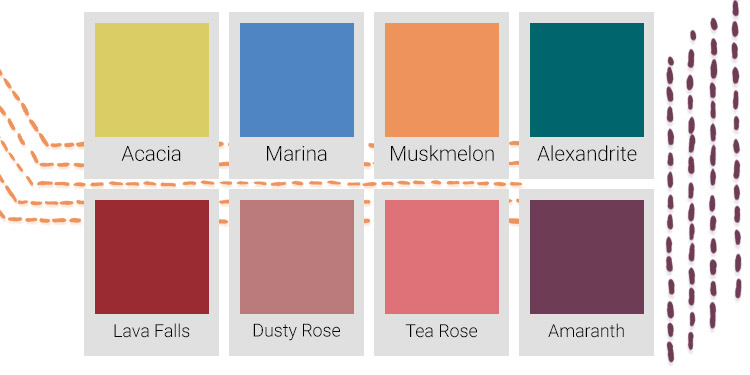
Looking ahead to 2026, we're seeing a move towards softer, more muted colors, alongside a continued appreciation for classic neutrals. Dusty rose, sage green, and muted lavender are gaining popularity, but these trends can be incorporated into a timeless wardrobe without feeling fleeting.
The key is to choose shades that harmonize with your core seasonal palette. A Spring type might opt for a softer, peachier rose, while a Summer type might prefer a cooler, lavender-toned rose. Don’t feel pressured to adopt every trend. Focus on the colors that make you feel confident and comfortable.
Instead of buying entirely new pieces to follow a trend, consider adding a few key accessories in the latest colors. A scarf, a handbag, or a pair of earrings can be a cost-effective way to update your look without sacrificing long-term wearability. It’s about integrating trends thoughtfully, not adopting them wholesale.
Which color palette are you most excited to integrate into your sustainable capsule wardrobe for 2026?
Vote below to share your preference based on emerging color theory trends and timeless seasonal palettes.

No comments yet. Be the first to share your thoughts!